
Chhaava Movie Review (Vicky Kaushal) 2025
Chhaava sets a record as the first historical patriotic Bollywood film to earn ₹32 crore in the Hindi belt on opening day, highlighting India's love for powerful historical stories.

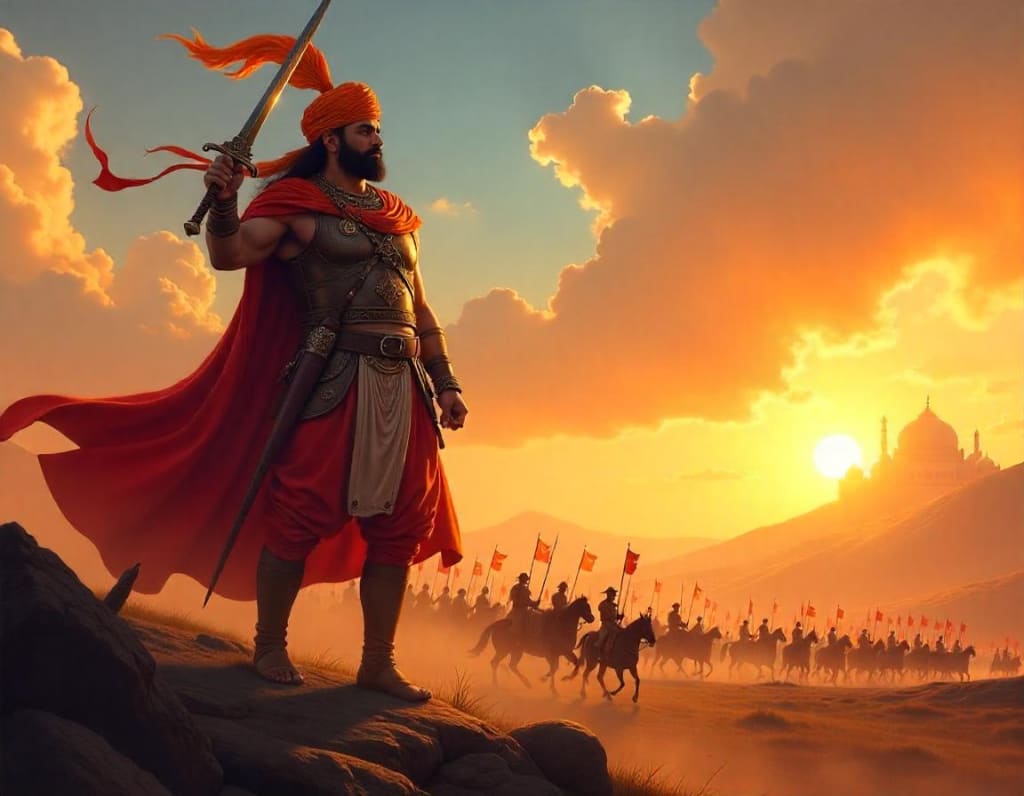
In the history of Bollywood, the past few years have seen a significant shift, but for the first time in India, Chhaava has achieved a remarkable milestone. It has become the first historical, patriotic movie to make a collection of over ₹32 crore in the Hindi belt on its opening day alone. This incredible feat is a testament to both the film’s compelling narrative and the audience’s hunger for stories rooted in Indian history.
The story of Chhaava revolves around the life and legacy of Chhatrapati Sambhaji Maharaj, the valiant son of Chhatrapati Shivaji Maharaj, who was the founder of the Maratha Empire. After the death of Shivaji Maharaj, the Mughals felt relieved, believing they could now expand their empire in the Deccan region. However, they were unaware of the formidable force they would face in Sambhaji Maharaj, a legendary warrior who led the Marathas with unmatched bravery and strategy. Sambhaji, played masterfully by Vicky Kaushal, is depicted as the fearless “Chhaava” (lion’s cub), who held the mighty Mughal Empire in check for nearly 9 years despite having only a small troop of dedicated soldiers. Over his reign, he fought 120 battles against the Mughals—and emerged victorious every time, proving his unparalleled leadership and military prowess.
The film captures the essence of the Maratha samrajya (empire), also known as swaraj, which is the emotional and thematic core of the movie. Every fight, every battle in the film revolves around the preservation of swaraj. The visuals, storytelling, and presentation work together to create a deeply emotional connection with the audience, highlighting the Marathas’ sacrifices and their relentless fight for freedom.
Aurangzeb, the last Mughal emperor and sworn enemy of swaraj, is portrayed by Akshaye Khanna in a manner that makes him appear even more menacing than he was in real life. The film shows his cruelty vividly—his brutal tactics to suppress the Marathas evoke a mix of shock and sorrow. For instance, Aurangzeb is seen drowning children in wells, hanging Marathas from trees, and chopping them into pieces to float in rivers. These scenes are gut-wrenching and leave the audience deeply moved, showcasing the inhumane lengths the Mughal emperor went to in his quest for dominance. Aurangzeb’s capital, Burhanpur, a city of wealth and beauty, becomes a key setting in the movie. Sambhaji Maharaj and his commander-in-chief, Sarsenapati Hambirrao Mohite, lead an invasion of the city, looting it and killing Mughal soldiers as an act of defiance against the oppressors.
The film also delves into betrayal within the Maratha ranks, a heartbreaking turn of events. Two courtiers of swaraj, lured by Aurangzeb’s promises of power and territory, leak critical confidential information about the Maratha Empire to the Mughal emperor. This betrayal proves devastating, leading to unforeseen consequences for Sambhaji Maharaj and his loyal followers.
Rashmika Mandanna, playing Maharani Yesubai, Sambhaji’s wife, delivers a powerful and graceful performance. She embodies the strength and resilience of a queen who stood by her husband and devoted her life to the Maratha Empire. Her portrayal of Yesubai adds depth to the film, showcasing the role of women in the Maratha struggle for swaraj.
Director Laxman Utekar deserves praise for unearthing and presenting an often-overlooked chapter of Indian history. The story of Sambhaji Maharaj is one that remains unknown to many, and Utekar’s vision brings this hidden legacy to life on the big screen. Through meticulous research, stunning visuals, and powerful performances, the film captures the spirit of Chhatrapati Sambhaji Maharaj and his undying commitment to his people and land.
The narrative picks up pace after the interval, with the first half setting the stage for the emotional and action-packed climax. A particularly memorable moment is the scene where Sambhaji battles a lion, a sequence that gives the audience goosebumps and is shot spectacularly. The second half becomes increasingly intense as the story delves into the horrors inflicted upon the Marathas by Aurangzeb. The film’s climax is one of the most disturbing and violent sequences in Indian cinema, comparable to the brutality depicted in Mel Gibson’s The Passion of the Christ. The intent of this graphic portrayal is to emphasize Sambhaji Maharaj’s unwavering allegiance to his people and his land, even in the face of unimaginable torture. However, it is not for the faint-hearted.
Vicky Kaushal’s portrayal of Sambhaji Maharaj is nothing short of breathtaking. He brings to life the warrior’s valor, passion, and dedication to swaraj with a performance that feels authentic and deeply moving. His commanding presence on screen makes it easy to believe in Sambhaji’s legendary status. Rashmika Mandanna as Maharani Yesubai and Akshaye Khanna as Aurangzeb also deliver standout performances, each adding to the film’s emotional and dramatic weight.
While the film’s story is its greatest strength, the music by A. R. Rahman, though beautiful, sometimes feels out of place and detracts from the narrative’s flow. Despite this minor shortcoming, Chhaava succeeds in delivering a cinematic experience that stays with the audience long after the credits roll.
Produced by Dinesh Vijan under Maddock Films, Chhaava is an epic tale that captures the life and legacy of Chhatrapati Sambhaji Maharaj. It serves as a reminder of the sacrifices made by the Marathas in their fight for freedom and the importance of preserving and sharing these stories for future generations. On the whole, Chhaava is an emotional, action-packed film that deserves to be experienced on the big screen. It is a celebration of Indian history, bravery, and the enduring spirit of swaraj.
About the Creator
Chandrama Vishwakarma
Enthusiastic Digital marketing professional, cum cinema goer. Enjoy writing experiences and Useful content for readers.
Keep reading
More stories from Chandrama Vishwakarma and writers in Men and other communities.
Which is better, Government job vs private Job 2024-2025
Debate against the job stability, security, and revenue opportunities that take the government and private jobs in the center, and the story revolves around them. Government jobs offer job stability, and private Jobs open the opportunity to make a handful of revenue and touch the growth sky. In India, four crore 60 lakh government employees, including central and state governments. On the other hand, 5 Crore and 2 lakh private job worker are currently working for their bread and butter. The number of both working professionals is increasing day by day. To clarify the doubt, I have compared government and private jobs.
By Chandrama Vishwakarma2 years ago in Education
When the Prostate Whispers, Desire Fades: Rebuilding Sexual Health After Chronic Prostatitis
What if the trouble isn’t in your head—or your “manhood”—but in a walnut‑sized gland quietly on fire? A surprising number of men in their 20s, 30s, and 40s stumble into a season of low desire and unreliable erections. They blame stress, screens, or aging. Sometimes they’re right. But just as often, the culprit is chronic prostatitis—an inflamed, irritated prostate that sits at the crossroads of urination, ejaculation, and sexual sensation. When it smolders, everything around it pays a price.
By Shuang hou6 days ago in Men
Reclaiming Your Nights: An Chinese Herbal Medicine Guide to Soothing an Irritated Prostate
The moment your head hits the pillow, the urge strikes. You’ve just been to the bathroom, but there it is again—that persistent, nagging feeling. So you get up, relieve what feels like a tiny amount, and crawl back into bed, only for the cycle to repeat an hour or two later. If this sounds familiar, you’re not alone. For many men, especially those dealing with prostatitis, these midnight bathroom trips aren't just an annoyance; they are the thieves of deep, restorative sleep, leaving you groggy, irritable, and drained the next day.
By Shuang hou3 days ago in Men



Comments (1)
Did you watch the Chhaava?