
How Personality Shapes Your Life
The Invisible Forces That Make Us Who We Are

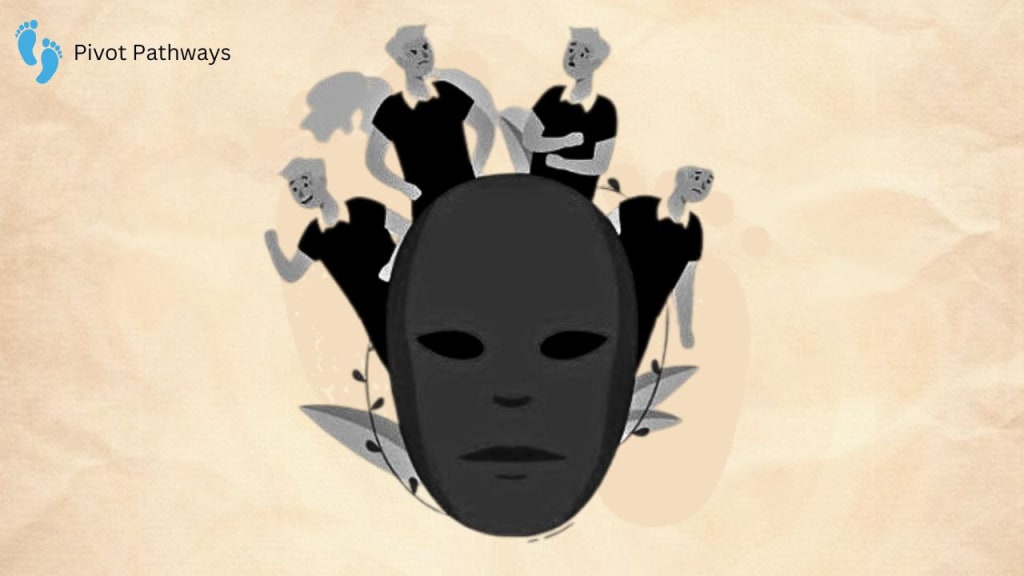
Imagine handing a thousand people a list of adjectives and asking them to pick the ones that fit. You’d start noticing something interesting — the ones who call themselves “happy” are also likely to say they’re “social.” The folks who feel disconnected from joy? They’ll probably avoid both words. These patterns aren’t random. They’re clues to the invisible threads weaving through human personality, the hidden dimensions that shape how we see the world — and how the world sees us.
Take extroversion, for example. It’s not just about being loud or loving parties. It’s a gravitational pull toward people, a craving for the buzz of conversation, the spark of shared laughter. Extroverts don’t just tolerate socializing — they need it like plants need sunlight. Their energy comes from being around others, while introverts recharge in quiet corners, savoring solitude like a secret stash of chocolate. Neither’s better or worse — they’re just different ways of moving through life. But here’s the kicker: Your temperament isn’t just about what you like. It’s about survival. If you’re born into a society that punishes outspokenness, being a fearless extrovert might get you in trouble. Timing, it seems, is everything.
Then there’s neuroticism — the shadow cousin of emotional stability. It’s not just “being negative.” It’s a lens that tints the world in shades of worry. People high in neuroticism don’t choose to see thunderstorms in every forecast; their brains are wired to scan for danger. Anxiety, sadness, frustration — they travel in packs. One negative emotion opens the door for the whole crew. But here’s the twist: This sensitivity might’ve kept our ancestors alive. The person who fretted about every rustle in the bushes? They probably avoided becoming lunch.
Agreeableness is where things get warm and fuzzy — or frustratingly passive, depending on who you ask. Agreeable people are the glue holding relationships together. They’ll fold their needs like origami to keep peace, avoid conflict like it’s a zombie apocalypse, and radiate kindness even when it costs them. Women tend to score higher here across cultures, even in places like Scandinavia where gender roles are blurrier. It makes you wonder: Is this biology’s nudge toward nurturing, or society’s endless whisper to “be nice”?
Conscientiousness is the unsung hero of adulting. It’s not glamorous, but show me someone who files their taxes early and actually reads the terms of service, and I’ll show you someone winning at life. These are the planners, the list-makers, the “I’ll sleep when I’m dead” grinders. Their secret weapon? Treating time like a budget. They know cramming 10 hours of study the night before an exam is like trying to swallow a watermelon whole — messy and ineffective. Instead, they nibble consistently, spacing out effort so knowledge sticks. Funny thing — their love of order often leans them toward political conservatism. Clean desk, clean policies? Maybe.
Now, openness — the wildcard. This is where artists and innovators live. Open people don’t just tolerate new ideas; they hunger for them. They’re the ones who see a cloud and think “That looks like Nietzsche’s mustache,” who’d rather debate philosophy than discuss the weather. Creativity thrives here, but it’s not all rainbows. Most people score shockingly low on creativity measures. Take the Creative Achievement Questionnaire: 70% of folks draw blanks across all domains. The outliers? They’re the rare birds creating symphonies, startups, and surreal memes — proof that novelty is a niche game.
If this dance of traits fascinates you, grab a copy of The Personality Brokers by Merve Emre. It’s a deep dive into how we’ve tried to box and understand these quirks that make us who we are — sometimes hilariously, sometimes disturbingly.
Here’s the truth: We’re all stuck with the personalities we’ve got, like it or not. But self-awareness is a superpower. Knowing you’re an introvert? That’s permission to skip the networking event guilt-free. High in neuroticism? Maybe meditation’s your jam, or channeling that worry into art. The magic happens when we stop fighting our wiring and start playing to its strengths.
Life’s a giant matching game. The goal isn’t to be the “best” personality type — it’s to find the cracks in the world where your particular shape fits. An extrovert in a remote job is as miserable as a fish on a bike. A creative stuck in a spreadsheet prison might as well be Sisyphus with a stapler. But when you stumble into the right groove — where your need for novelty meets a job that reinvents itself daily, or your orderly mind finds joy in color-coded calendars — that’s when things click.
So maybe the real work isn’t changing who we are. It’s learning to read the map of ourselves — the quiet hills of introversion, the stormy coasts of neuroticism — and navigating toward the places where we don’t have to pretend. After all, the world’s big enough for all types. Even the ones who alphabetize their spice racks.
If you found this post helpful, consider Buy me a coffee ☕. Your support means the world to me!
Explore More: pivotpathways.net
About the Creator
Keep reading
More stories from Pivot Pathways and writers in Motivation and other communities.
The Art of Faking It Till You Make It
Ever been to one of those fancy university debates? I recently attended one at Oxford Union where the proposition was all about "faking it till you make it." And honestly? It was hilarious, thought-provoking, and weirdly relatable all at once.
By Pivot Pathways11 months ago in Motivation
One Hard Thing
Stop me if you’ve heard this one before: You have the number, you know your schedule- you’ve even picked out the perfect day and time to make this appointment. Shoot, you’ve even picked out alternative days and times just in case their schedules can’t accommodate you!
By Taylor Rigsby9 days ago in Motivation


Comments
There are no comments for this story
Be the first to respond and start the conversation.