
Is It Unhealthy to Get Too Much Sleep?
Getting too much sleep is as dangerous as not getting enough.


It is no surprise that doctors recommend getting enough sleep. They believe it is dangerous if they don't. However, it might be surprising to learn that doctors also suggest that getting too much sleep is dangerous.
Researchers have discovered that spending too much time sleeping is linked to health hazards. Sleeping too much is just as dangerous as not sleeping enough. Besides, oversleeping might be a symptom of a medical condition. To stay healthy, sleep is necessary in both quality and quantity.
Getting too much sleep is as dangerous as not getting enough.
Are You Sleeping Too Much?
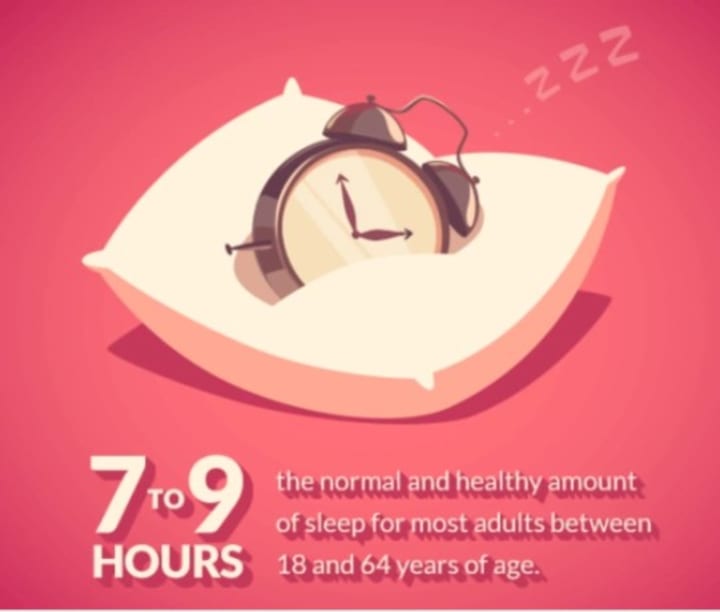
How much sleep is too much? According to the National Sleep Foundation, a healthy sleep range is about seven to nine hours a night for most adults. People who get that amount of sleep live longer and have better brain health. Anything over nine hours is considered excessive and in the danger zone.
However, it is nothing to be concerned about if it happens once in a while. It is considered dangerous if it often happens because it could be a sign of health issues. Oversleeping affects at least 2 percent of the population. These people might have treatable conditions.
Reasons People Sleep More Than Usual
Dr. Nancy H. Rothstein is the Sleep Ambassador and Director of CIRCADIAN Corporate Sleep Programs. She says if you sleep too much, then you should find out why. You should examine your sleep habits. She concludes that the body is speaking to those who have a habit of sleeping too much.
So, what is your body telling you when you sleep too much?
Dr. Robert Rosenberg is a sleep medicine specialist and author of Sleep Soundly Every Night, Feel Fantastic Every Day: A Doctor's Solution to Solving Your Sleep Problems. He agrees too much sleep is over nine hours. He contends that too much sleep on a regular basis can increase the risk of several diseases, including diabetes, heart disease, stroke, and even death.

Dr. Nerina Ramlakhan, a physiologist, sleep and stress management expert who runs sleep and wellness programs at The Nightingale Hospital, says an unhealthy diet and alcohol have an effect on a person's sleep pattern.
Drinking coffee and tea in the afternoon also affects when a person falls asleep and how long he sleeps. The beverages can affect a person's body up to 12 hours after consumption. Therefore, someone will more than likely oversleep the next morning.
Why Getting More Than Nine Hours of Sleep Is Dangerous
Researchers have discovered that getting more sleep than required is linked to several ailments and diseases. Too little sleep and too much sleep have the same dangers.
- Cognitive memory impairments and decreased cognitive function are the results of too little and too much sleep.
- There are increased risks of Alzheimer's disease and dementia.
- Depression occurs in people who sleep longer than nine hours.
- Increased inflammation is caused by getting too little or too much sleep.
- Headaches and other pains are worsened by not getting enough sleep or getting too much sleep.
- Impaired fertility occurs in women who don't get the right amount of sleep.
- Higher risk of obesity happens when sleep is not balanced.
- Higher risk of diabetes is present without the right amount of sleep.
- Higher risk of heart disease also occurs with too little or too much sleep.
- Risk of stroke is 90 percent higher in people whose sleep habits are regulated.
- A higher death rate is present when people don't get the proper amount of sleep. In other words, death can be the reason for oversleeping as well as undersleeping.
How Not To Get Too Much Sleep
- Get between seven and nine hours of sleep every night.
- Try to go to bed around the same time every night, within about 1/2 hour range.
- Try to get up at the same time every day, even on the weekends.
- Keep your alarm clock across the room so you have to get up to turn it off.
- Don't use the snooze button on your alarm clock.
- Don't stay up past midnight before going to bed.
- Before drifting off to sleep, think of something that you're looking forward to the next day, even if it is something small.
- Shut off all technology and don't keep electronics near your bed.
- Don't fall asleep with the television on.
- Make sure you eat dinner at least three hours before going to bed.
- Meditation or praying will help you have a good night's sleep. You will wake up refreshed.
- Look forward to waking up with a positive attitude to start each day.
Author's Note
This content is accurate and true to the best of the author’s knowledge and is not meant to substitute for formal and individualized advice from a qualified professional.
About the Creator
Margaret Minnicks
Margaret Minnicks has a bachelor's degree in English. She is an ordained minister with two master's degrees in theology and Christian education. She has been an online writer for over 15 years. Thanks for reading and sending TIPS her way.
Keep reading
More stories from Margaret Minnicks and writers in Motivation and other communities.
Ways To Be Happy
Happiness: Definition Happiness is defined as the act of having pleasure, contentment, satisfaction, and joy. When a person is happy, he is cheerful and jolly. Not only is he happy within himself, but he lifts the spirits of those around him. Happiness is something most people strive for, and some never get it.
By Margaret Minnicks2 months ago in Motivation
One Hard Thing
Stop me if you’ve heard this one before: You have the number, you know your schedule- you’ve even picked out the perfect day and time to make this appointment. Shoot, you’ve even picked out alternative days and times just in case their schedules can’t accommodate you!
By Taylor Rigsby16 days ago in Motivation
Saving the Best for Last: The Paradox of Waiting
It is a small, subtle movement that happens at dinner tables around the world. You look down at your plate. Perhaps it is a perfectly seared scallop, the crispiest piece of skin on the chicken, or the strawberry with the deepest red hue. Instinctively, you push it to the side of the plate. You separate it from the rest of the meal, creating a small, sacred space for it.
By DUONG MAN NHI5 days ago in Motivation
Writing About Writing: The Rainbow Trap
The good thing about living in modern times is that LGBTQ representation in media is increasing. Not just in niche and Independant media, either, but also in mainstream media. Books, movies, TV shows, comics... they're finally catching on that LGBTQ+ people form a significant part of their audience, and deserve to see themselves on screen and in fiction, not just as victims in documentaries and true crime shows.
By Natasja Rose7 days ago in Writers


Comments
There are no comments for this story
Be the first to respond and start the conversation.