


Struggle is a part of the human experience. It is the feeling of being caught in the midst of challenges and difficulties, and the desire to overcome them. Struggle can come in many forms, from physical challenges to emotional and mental obstacles. No matter the form, struggle is an essential component of growth and development.
One of the most common forms of struggle is the struggle to achieve a goal. Goals can range from personal to professional, and the struggle to achieve them can be a long and difficult journey. In the face of setbacks and obstacles, it can be tempting to give up. But it is through this struggle that we build resilience, perseverance, and a sense of accomplishment. When we overcome obstacles and reach our goals, we feel a sense of pride and satisfaction that can help us tackle future challenges with greater confidence.
Another form of struggle is the struggle with mental health issues. Many people face anxiety, depression, and other mental health challenges that can make everyday life feel like a struggle. It can be hard to find the motivation to get out of bed, or to engage in activities that were once enjoyable. But through the struggle with mental health issues, we can learn to develop coping mechanisms and seek out support from loved ones and mental health professionals. It can be a long and difficult journey, but it is possible to find hope and healing.
Physical struggles are also a common experience for many people. From chronic illness to temporary injuries, physical struggles can be challenging to endure. But through these struggles, we can learn to develop physical resilience, as well as a deeper appreciation for our bodies and the importance of self-care. Physical struggles can also be an opportunity to build empathy and compassion for others who may be going through similar experiences.
Struggle is not always a negative experience. In fact, some people actively seek out challenges and struggles as a way to push themselves to grow and develop. These individuals may take on difficult projects or set ambitious goals, knowing that the struggle to achieve them will be a valuable learning experience. This type of struggle can be a way to develop skills, build confidence, and create a sense of purpose.
Regardless of the form it takes, struggle is a fundamental part of the human experience. It is through struggle that we learn to develop resilience, perseverance, and a deeper understanding of ourselves and our place in the world. While it can be challenging and uncomfortable, it is often through struggle that we achieve our greatest accomplishments and find the most meaningful experiences in life.
So how can we approach struggle in a positive way? One important aspect is to develop a growth mindset, which involves viewing challenges and setbacks as opportunities for learning and growth. It is also important to seek out support from loved ones, mentors, or mental health professionals when facing difficult challenges. Finally, it is crucial to take care of ourselves through self-care practices such as exercise, healthy eating, and relaxation techniques.
In conclusion, struggle is an essential part of the human experience. Whether we are struggling to achieve a goal, to overcome mental health challenges, or to cope with physical struggles, it is through these experiences that we learn to develop resilience, perseverance, and a deeper understanding of ourselves and our place in the world. By approaching struggle with a growth mindset, seeking support when needed, and practicing self-care, we can navigate these challenges and emerge stronger and more resilient than before. When faced with struggle, it can be easy to feel discouraged and overwhelmed. It is important to remember that struggle is a normal and natural part of the human experience. Every person will face challenges at some point in their life, and it is through these struggles that we learn and grow.
One way to approach struggle is to focus on the journey rather than the destination. While goals are important, it is often the process of working towards them that provides the most valuable learning experiences. By taking small steps towards a goal and celebrating each success along the way, we can build momentum and stay motivated through the ups and downs of the journey.
Another approach to struggle is to practice gratitude and focus on the positive aspects of our lives. Even in the midst of difficult challenges, there are often moments of joy and beauty that we can appreciate. By cultivating a sense of gratitude and focusing on the positive, we can build resilience and find the strength to persevere through tough times.
It is also important to remember that struggle is not a sign of weakness. In fact, facing challenges head-on and seeking out support when needed is a sign of strength and courage. By acknowledging our struggles and seeking help when necessary, we can build deeper connections with others and foster a sense of community.
Finally, it is important to approach struggle with self-compassion. Self-compassion involves treating ourselves with kindness and understanding, rather than self-criticism and judgement. By practicing self-compassion, we can build resilience and develop a deeper sense of self-awareness and self-acceptance.
In conclusion, struggle is a natural and essential part of the human experience. Whether we are facing challenges in our personal or professional lives, it is through these struggles that we learn and grow. By focusing on the journey, practicing gratitude, seeking support, and cultivating self-compassion, we can navigate these challenges and emerge stronger and more resilient than before.
About the Creator
Keep reading
More stories from Kemal Çetinkaya and writers in Motivation and other communities.
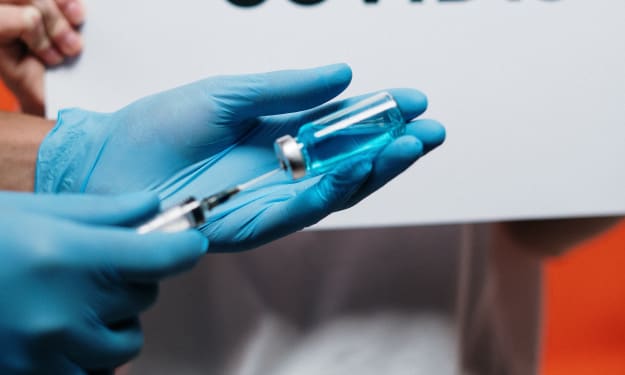
Covid-19
The outbreak of the novel coronavirus disease (COVID-19) has taken the world by storm since it was first identified in Wuhan, China, in December 2019. COVID-19 is a respiratory illness caused by the SARS-CoV-2 virus that can cause severe symptoms ranging from fever, cough, and shortness of breath to severe respiratory distress, organ failure, and death. In this article, we will discuss the origins of COVID-19, its symptoms, transmission, prevention, and treatment.
By Kemal Çetinkaya 3 years ago in Education
One Hard Thing
Stop me if you’ve heard this one before: You have the number, you know your schedule- you’ve even picked out the perfect day and time to make this appointment. Shoot, you’ve even picked out alternative days and times just in case their schedules can’t accommodate you!
By Taylor Rigsby19 days ago in Motivation
The Untold Truth About Money: How to Build Wealth From Nothing
Stop Chasing Money: The Counterintuitive Path to Wealth and Freedom We're bombarded with images of wealth: million-dollar mansions, luxury sports cars, and exotic vacations. For many, these remain distant dreams, fueling frustration and even anger.
By Aboah Okyere7 days ago in Motivation
Bartender
On the heels of grief, pain bears down hard. On the heels of death, pain awakens the quiet place between the end of our own life and now. Feeling anything is like seeing a film and in black and white, slow motion, all sound turned off. Just watching. Gritting teeth, awkward smiles and bloody red eyes move around, scanning the others who are feeling something I don't want to feel, but I do. Escapism is all I have ever known. ~
By ROCK aka Andrea Polla (Simmons)2 days ago in Poets


Comments
There are no comments for this story
Be the first to respond and start the conversation.