
The Price of Enjoyment
The part nobody sees

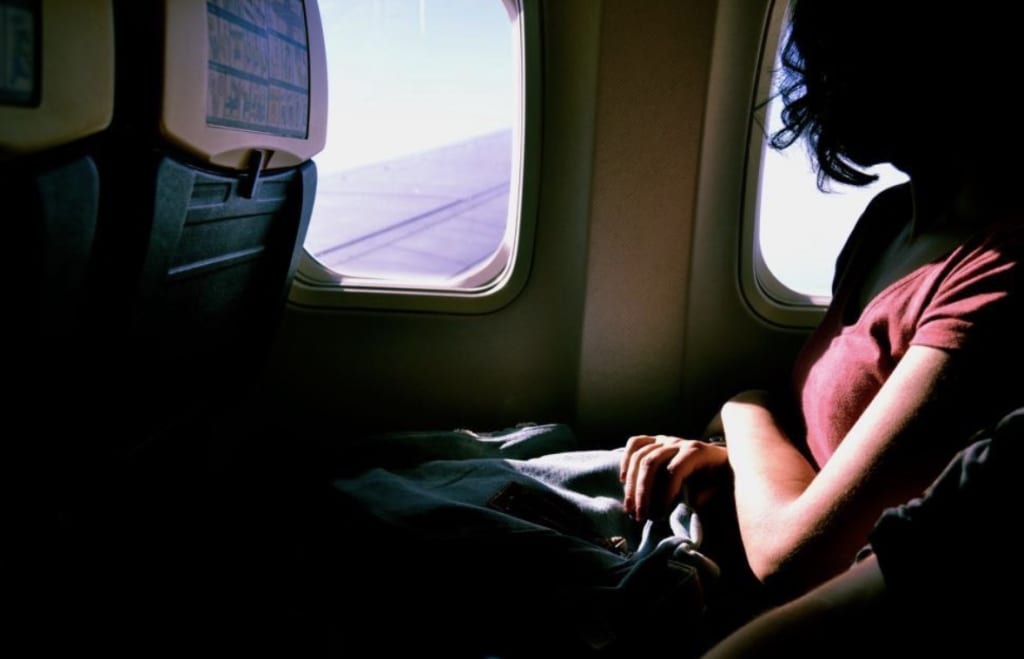
Enjoyment used to be effortless.
It existed without preparation, without calculation, without consequence. Saying yes to plans did not require negotiation with my body. Leaving the house did not require strategy. Fun existed in the moment, untouched by what might come afterward.
Multiple sclerosis changed that.
Enjoyment did not disappear. It became something that required planning, pacing, and acceptance of a price that most people never have to consider.
Every decision to do something enjoyable now begins long before the moment itself.
Energy must be conserved in advance. Rest becomes preparation rather than recovery. A quiet day is no longer simply a quiet day. It becomes an investment in the possibility of participation later. Ordinary tasks are reduced or postponed. The body must be protected ahead of time, because once energy is spent, it cannot simply be restored.
This preparation is invisible.
From the outside, it looks like a simple decision to go out. It looks spontaneous. It looks easy. The reality exists in the hours and days before, in the careful management of energy that makes participation possible at all.
Even with preparation, uncertainty remains.
Fatigue does not always respect planning. Symptoms do not follow schedules. The body can feel capable one moment and unreliable the next. Committing to something enjoyable means accepting the risk that my body may not cooperate when the time comes.
That uncertainty changes how enjoyment feels.
Excitement exists alongside caution. Anticipation exists alongside calculation. Every invitation carries a quiet question: will my body allow this?
Participation itself requires adaptation.
Accessibility becomes essential. Distance matters. Seating matters. Lighting, noise, temperature, and duration all become factors. A short outing can carry the physical cost of something much larger. Standing too long, walking too far, or pushing past early warning signs can trigger exhaustion that lasts far beyond the event itself.
The enjoyment is real. The consequences are real too.
The price of enjoyment is often paid afterward.
Fatigue deepens. The body demands recovery. Energy disappears in ways that cannot be negotiated with. A single afternoon out can require days of rest to restore balance. Recovery becomes part of the experience, inseparable from the enjoyment itself.
This is the part no one sees.
They see the moment of participation. They see the presence. They do not see the preparation that made it possible or the recovery that follows. They do not see the cost.
Enjoyment becomes something that must be chosen carefully.
Each decision involves trade-offs. Energy spent in one place cannot be spent elsewhere. Participation in one moment may limit the ability to participate in another. Life becomes shaped by prioritisation.
Some opportunities are declined, not because they are unwanted, but because they are unsustainable.
This reality creates grief.
Grief for spontaneity. Grief for effortlessness. Grief for the version of life that existed without calculation.
It also creates clarity.
Enjoyment becomes more intentional. Moments of connection carry greater meaning. Presence becomes something valued rather than assumed. The effort required to participate deepens the appreciation of participation itself.
Fun still exists.
It exists within new boundaries. It exists within adaptation. It exists within acceptance of the price required to access it.
The price is not a failure of will. It is not a lack of effort. It is the reality of living in a body that requires care, attention, and respect.
Choosing enjoyment is an act of courage.
It is a decision to participate despite uncertainty. It is a decision to accept consequences without allowing them to erase possibility. It is a decision to live fully, even when living fully requires more effort than it once did.
Enjoyment has not disappeared.
It has become something earned in a different way.
Not through productivity.
Through persistence.
About the Creator
Keep reading
More stories from Millie Hardy-Sims and writers in Motivation and other communities.
Over and Over Again
There is a particular kind of exhaustion that has nothing to do with fatigue. It does not come from walking too far or standing too long. It does not come from neurological depletion or physical strain. It comes from explanation.
By Millie Hardy-Simsabout 18 hours ago in Motivation
One Hard Thing
Stop me if you’ve heard this one before: You have the number, you know your schedule- you’ve even picked out the perfect day and time to make this appointment. Shoot, you’ve even picked out alternative days and times just in case their schedules can’t accommodate you!
By Taylor Rigsby22 days ago in Motivation
Smart Effort
Many people believe that success only comes from working harder than everyone else. They wake up early, sleep late, and exhaust themselves every single day. They believe that the more sweat they shed, the closer they get to their goals. But life has a strange way of teaching a different lesson: sometimes, working harder is not the same as working smarter.
By USA daily update 6 days ago in Motivation
Mismatch Challenge Winners
Blending genres isn’t about stacking elements side by side. It’s about what happens when two sets of expectations refuse to cooperate. The strongest entries in the Mismatch Challenge understood that tension and leaned into it. Rather than smoothing the edges, these stories let their chosen genres complicate one another, creating friction that carried through voice, structure, and consequence.
By Vocal Curation Team5 days ago in Resources


Comments
There are no comments for this story
Be the first to respond and start the conversation.