
Trust and Loyalty: The Foundation of Strong Relationships
Teaching Trust and Loyalty: Lessons for Future Generations

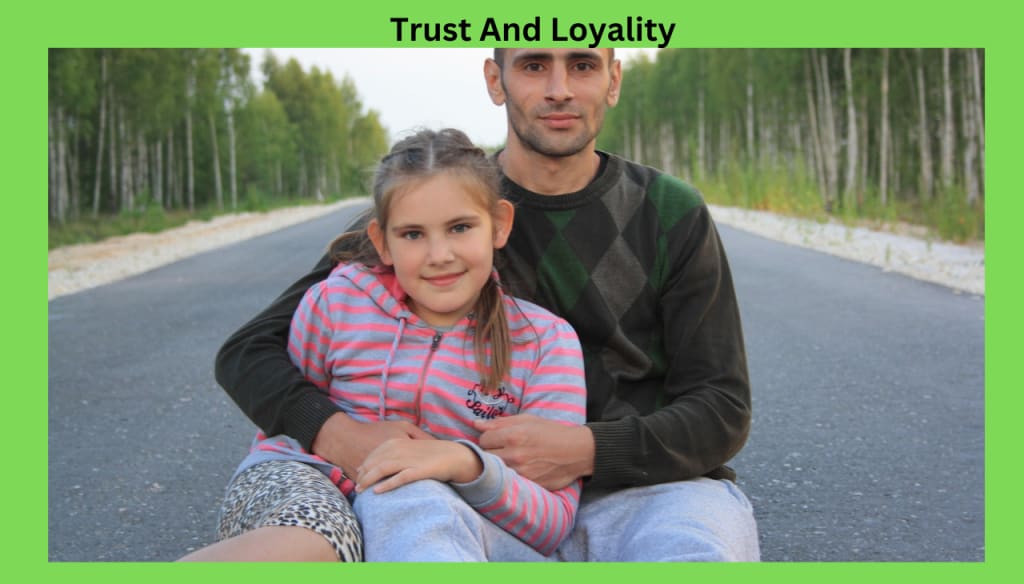
Trust and Loyalty: The Foundation of Strong Relationships
Trust and loyalty are the cornerstones of any meaningful relationship. Whether it’s between friends, family, colleagues, or partners, these two values create a strong bond that withstands challenges. Without trust, relationships crumble under doubt, and without loyalty, they fade away with time. In a world where connections are often superficial, trust and loyalty make relationships deep and lasting.
## **What is trust?**
Trust is the belief that someone is reliable, honest, and sincere. It means having confidence in another person’s words and actions. When we trust someone, we feel safe sharing our thoughts, fears, and dreams because we know they won’t betray us. Trust is built over time through consistent actions—keeping promises, being truthful, and showing respect.
Imagine a friend who always listens without judging or a partner who stands by you in tough times. Their reliability strengthens trust. However, trust is fragile. One lie or broken promise can shatter it in seconds. Rebuilding trust takes even more effort, which is why honesty should always come first.
## **The Importance of Loyalty**
Loyalty is the commitment to stand by someone no matter what. It means being there in good and bad times, defending them when they’re not present, and choosing them over temporary temptations. A loyal person does not walk away when things get hard. Instead, they stay and support.
Think about a dog’s loyalty to its owner—unconditional and unwavering. Humans, too, value loyalty deeply. In friendships, loyalty means not gossiping behind a friend’s back. In relationships, it means staying faithful. At work, it means supporting your team even when things are tough. Loyalty builds security, making people feel valued and appreciated.
## **How Trust and Loyalty Work Together**
Trust and loyalty go hand in hand. You can’t have one without the other. If someone is loyal but not trustworthy, their loyalty feels hollow. For example, a partner may say they’ll never leave you (loyalty), but if they lie constantly (lack of trust), the relationship suffers.
Contrarily, trust without loyalty is incomplete. You may trust a colleague to do their job well, but if they leave at the first better offer, their loyalty is questionable. The strongest relationships have both—trust that the person is honest and loyalty that they will stay committed.
## **Building Trust and Loyalty**
### **1. Be Honest and Transparent**
Honesty is the first step to trust. Even small lies can create doubt. Instead of hiding mistakes, admit them. People respect honesty more than perfection.
### **2. Keep Promises**
If you say you’ll do something, follow through. Broken promises break trust. If you can’t keep a promise, explain why and apologize.
### **3. Show Consistency**
Trust grows when people see that you’re the same in all situations—not kind one day and rude the next. Consistency in behavior builds reliability.
### **4. Stand By People**
Loyalty means supporting others even when it’s not easy. Defend your loved ones in their absence. Show them they can count on you.
### **5. Communicate Openly**
Misunderstandings damage trust. Talk openly about feelings, doubts, and expectations. Good communication prevents small issues from becoming big problems.
### **6. Forgive Mistakes**
Nobody is perfect. Holding onto grudges destroys trust. If someone apologizes sincerely, give them a chance to rebuild trust.
## **Trust and Loyalty in Different Relationships**
True friends trust each other with secrets, support one another, and remain loyal even when others walk away. A loyal friend doesn’t disappear when you’re going through a hard time.
### **In Family**
Families thrive on trust and loyalty. Parents trust their children to make good choices, and children trust their parents to guide them. Loyalty means sticking together despite disagreements.
### **In Romantic Relationships**
Love without trust is full of doubt. Partners must be honest and faithful. Loyalty means choosing each other every day, even when challenges arise.
### **At Work**
Employers trust employees to do their jobs well, and employees trust leaders to be fair. Loyalty at work means not betraying colleagues for personal gain and working as a team.
## **What Breaks Trust and Loyalty?**
### **1. Lies and Deception**
Even small lies can create doubt. Once trust is broken, it’s hard to regain.
### **2. Betrayal**
Backstabbing, cheating, or sharing secrets destroys loyalty. Betrayal leaves deep scars.
### **3. Broken Promises**
Failing to keep your word shows unreliability. Over time, people stop depending on you.
### **4. Lack of Support**
If you’re only around during good times, people question your loyalty. True loyalty is tested in difficult moments.
## **Rebuilding Trust and Loyalty**
If trust is broken, it can be repaired, but it takes effort:
- **Apologize sincerely** – Admit the mistake without excuses.
- **Change behavior** – Show through actions that you’ve learned.
- **Be patient** – Trust isn’t rebuilt overnight. Give the other person time.
## **Conclusion**
Trust and loyalty are the heart of every strong relationship. They take time to build but can be lost in a moment. By being honest, keeping promises, and standing by the people we care about, we create bonds that last a lifetime. In a world where relationships often feel temporary, trust and loyalty make them meaningful and enduring.
When we choose to trust and remain loyal, we don’t just strengthen our connections—we also become better people. And in the end, that’s what truly matters.
About the Creator
Muhammad Iqbal
Experienced writer creating research-based articles on medicine, pharmacy, and motivation. I simplify complex topics to educate readers on health, pharmaceuticals, and positive life change.
Keep reading
More stories from Muhammad Iqbal and writers in Motivation and other communities.
Simple Rules for Maintaining Good Health
Simple Rules for Maintaining Good Health Staying healthy is not as complicated as it seems. Small, daily habits can make a big difference in how you feel physically and mentally. Many people think that good health requires extreme diets or hardcore workouts, but the truth is, consistency in simple things matters most. Here are some easy yet effective rules to help you maintain your health in the long run.
By Muhammad Iqbal11 months ago in Motivation
One Hard Thing
Stop me if you’ve heard this one before: You have the number, you know your schedule- you’ve even picked out the perfect day and time to make this appointment. Shoot, you’ve even picked out alternative days and times just in case their schedules can’t accommodate you!
By Taylor Rigsby19 days ago in Motivation
My Positive Review of NordicTrack’s Heart Health Sale & Smart Machines
Use code: HEART I just want to share my experience with NordicTrack during their Heart Health Awareness Month Sale, and I can honestly say—it’s one of the best fitness investments you can make for yourself or your family.
By Organic Products 8 days ago in Motivation


Comments
There are no comments for this story
Be the first to respond and start the conversation.