
Creating a Senior Dog-Friendly Home: Small Changes, Big Comfort
As your dog ages, your home set up should too.

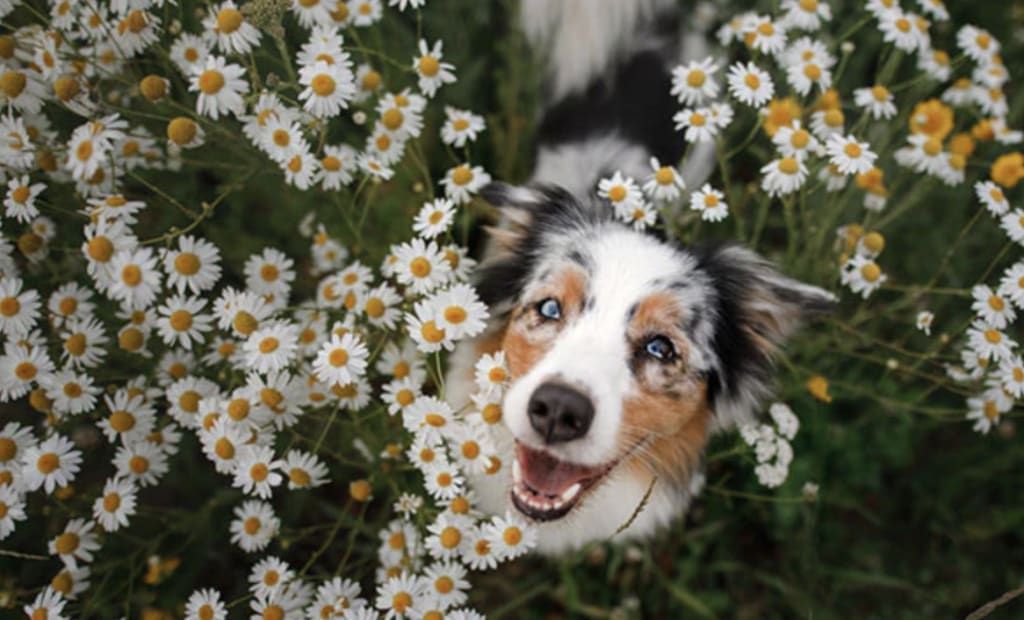
Watching our beloved dogs enter their golden years brings a mix of emotions. These faithful companions who once bounded up stairs and chased every squirrel now move with measured steps, their graying muzzles and gentle eyes telling stories of years filled with loyalty and love. Arthritis may stiffen their joints, their vision might become cloudy, and their hearing could diminish. These changes don't mean their quality of life has to suffer.
When we take the time to view our living spaces through the eyes of an aging pup, we begin to notice potential obstacles and opportunities for improvement that might have been invisible before. A slippery hardwood floor becomes a treacherous ice rink, while a favorite sunny spot on the couch transforms into an unreachable destination without proper support.
Creating a senior dog-friendly home doesn’t necessarily require expensive renovations or dramatic overhauls. It’s really just about finding little ways to keep our dogs comfortable and loved as they get older.
Safe and Supportive Flooring
The foundation of any senior dog-friendly home starts literally from the ground up. Smooth surfaces that once posed no challenge can become sources of anxiety and potential injury for dogs dealing with decreased muscle strength and joint stiffness. Hardwood floors, tile, and laminate surfaces can feel unstable under aging paws, leading to slips, falls, and a growing reluctance to move around freely.
Strategic placement of runners, mats, and rugs helps senior dogs move confidently through your home. Choose washable, low-pile coverings with rubber backing to prevent slipping and tripping. Supportive flooring keeps older dogs steady, reduces accidents, and encourages them to stay active and engaged with family life..
Elevated Comfort: Beds, Bowls, and Ramps
Joint pain and muscle stiffness make getting up and down increasingly difficult for senior dogs. Traditional sleeping arrangements and feeding setups that worked perfectly for years may now present daily challenges that affect comfort and overall quality of life.
Beds made with orthopedic or memory foam help take the pressure off achy joints, so older dogs can rest easier and sleep more soundly. Memory foam contours to your dog's body shape, providing customized support that adapts to their specific comfort needs.
When choosing an orthopedic bed, consider your dog's sleeping habits and preferences. Some senior dogs benefit from beds with slightly raised edges that provide a sense of security and support when lying down. Others prefer flat surfaces that allow easy access from any angle.
Elevated food and water bowls reduce strain on your dog's neck, shoulders, and joints during mealtime. This simple adjustment can make eating, drinking, and taking care of their teeth more comfortable, especially for larger dogs or those with arthritis in their necks or backs. Adjustable height options allow you to customize the elevation as your dog's needs change over time.
Creating Calm, Accessible Spaces
Designating a quiet, draft-free resting area gives your senior dog a predictable sanctuary within your home. This space should be easily accessible, away from high-traffic zones, and free from temperature extremes that might affect arthritic joints. Consider locations that offer natural light during the day while remaining cozy and protected.
Aging bodies also have more difficulty regulating internal temperature, making them more sensitive to cold drafts and extreme heat. Position their resting area away from air conditioning vents, heating registers, and exterior doors that might create uncomfortable temperature fluctuations.
Ensure this special space remains easily accessible as mobility decreases. Avoid locations that require navigating stairs, tight spaces, or obstacles that might become challenging over time.
The goal is to give your dog a cozy spot they can get to on their own whenever they want comfort or rest.
Soft lighting in rest areas helps dogs with declining vision navigate more confidently, especially during evening hours. Night lights or dim lamps can provide gentle illumination without being overwhelming or disruptive to sleep patterns.
Safety Adjustments for Aging Pups
Securing sharp furniture edges prevents injuries from bumps and collisions that become more likely as dogs navigate with reduced vision or stability. Corner guards, edge bumpers, or furniture padding create softer contact points that minimize injury risk during accidental encounters.
Clear pathways throughout your home eliminate tripping hazards and create predictable routes for dogs with vision impairment. Remove or secure loose rugs that might bunch up, relocate low-sitting decorative items, and ensure adequate spacing around furniture for comfortable navigation.
Gates help keep your dog away from risky spots like steep stairs while still letting them move freely in safe areas of your home. Choose gates that are easy for humans to operate but provide effective barriers for dogs who might struggle with stairs or other hazardous areas.
Consider the placement of food and water bowls to ensure they remain accessible but don't create obstacles in walking paths. Senior dogs benefit from consistency in bowl placement, as changing locations might cause confusion or difficulty locating essential resources.
Regular evaluation of your dog's changing needs ensures that safety measures evolve appropriately. What works today might need adjustment as mobility or sensory capabilities continue to change. Staying attentive to these shifts allows you to make proactive modifications rather than reactive ones.
When our dogs feel safe and comfortable in their environment, they're more likely to remain active, engaged, and content during their golden years.
Watching a senior dog navigate confidently through their adapted environment, settle comfortably into their orthopedic bed, or approach their elevated food bowl without hesitation brings immeasurable joy to pet parents who want nothing more than their dog's continued happiness. Remember that they still need mental stimulation and appropriate physical activity, including chew options that are safe for older dogs.
Simple changes around the house can help your senior dog live their golden years happy, comfortable, and loved.
About the Creator
BBS Writing Team
BBS Writing Team is made up of passionate pet parents and canine enthusiasts who believe dogs deserve the very best. With a focus on safe, natural chews and healthy habits, the team delivers guidance that helps dog owners feel confident.
Keep reading
More stories from writers in Petlife and other communities.
The Summer I Was Chosen by a Northern Mockingbird
During the long, suspended days of the pandemic, a wild mockingbird began visiting my driveway and chose me, again and again. What started as a strange encounter became a brief, meaningful connection that I still carry with me.
By Erica Roberts about a month ago in Petlife
Non-Core Vaccines for Dogs: Lifestyle-Based Protection Every Pet Parent Should Know
Vaccinations are one of the most effective tools in preventive veterinary medicine. While most pet parents are familiar with required immunizations, many are surprised to learn that not all vaccines are considered essential for every dog. Some are recommended based on lifestyle, geographic location, travel habits, and exposure risk. These are known as non-core vaccines.
By Highlands-Eldorado Veterinary Hospital3 days ago in Petlife
Goodbye, Mr. Duvall
It is turning out to be an interesting year. I was in the middle of teaching a class when a pop-up appeared on the screen announcing the death of Mr. Robert Seldon Duvall (yes, that was his full name). I was in the middle of a discussion on the obsession we have with winning when it comes to sports (the Winter Olympics was a theme), and I felt as though things were coming full circle. We had already lost Gene Hackman last year, and along with that titan, it feels though one particular golden age has closed off to be replaced by...?
By Kendall Defoe 4 days ago in Geeks
The Cave Part 6
If you have ever heard a tale about yourself that you cannot remember and doubtless think is made up, you will know how I felt when Tharkin related all that the eagle had seen of me before my memories were scattered. Of far distances and traveling companions that I did not recall, camping out under the stars and making our way to the mountains with deliberate purpose. The great bird had lost contact with my party once we entered the forests, and the seven other members were not seen again by him or his brethren since.
By Jamye Sharp5 days ago in Chapters



Comments