
How to Identify Food Allergies in Dogs: Symptoms, Testing, and Treatment Options
A Complete Guide for Pet Owners to Recognize Early Signs and Choose the Right Care Plan

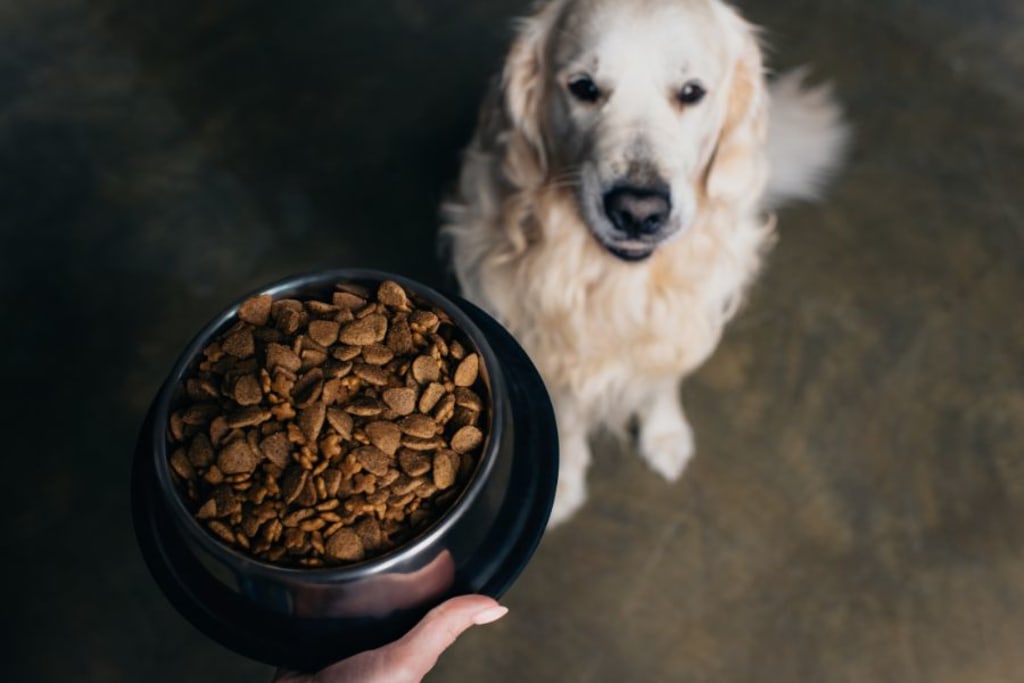
Food allergies in dogs can be frustrating—for both pets and their owners. Persistent itching, upset stomach, ear infections, and skin irritation often leave families wondering what’s really going on. While environmental triggers like pollen or dust are common culprits, food allergies in dogs are also a significant cause of chronic discomfort.
Understanding how to recognize the signs, pursue proper testing, and choose the right treatment plan can make a dramatic difference in your dog’s quality of life. Here’s what every pet parent should know.
What Are Food Allergies in Dogs?
A food allergy occurs when your dog’s immune system mistakenly identifies a specific ingredient—usually a protein—as harmful. This immune response leads to inflammation and uncomfortable symptoms.
It’s important to distinguish food allergies from food intolerances:
- Food allergy: Involves the immune system and often causes skin issues.
- Food intolerance: Does not involve the immune system and usually causes digestive upset.
Common food allergens in dogs include:
- Beef
- Chicken
- Dairy
- Wheat
- Soy
- Eggs
Surprisingly, dogs often become allergic to foods they’ve been eating for a long time rather than something new.
Common Symptoms of Food Allergies in Dogs
Food allergies typically affect the skin and ears, though digestive symptoms can also occur.
1. Persistent Itching (Pruritus)
Chronic itching is the most common sign. Dogs may:
- Scratch constantly
- Lick their paws
- Rub their face
- Chew at their legs or belly
If itching continues year-round (not seasonal), food allergies may be involved.
2. Recurrent Ear Infections
Frequent ear infections—especially without obvious environmental triggers—are a red flag. You may notice:
- Head shaking
- Redness inside the ears
- Unpleasant odor
- Discharge
3. Skin Issues
- Food allergies often cause:
- Red, inflamed skin
- Hot spots
- Hair loss
Thickened or darkened skin over time
4. Gastrointestinal Problems
Some dogs experience:
- Vomiting
- Diarrhea
- Excess gas
- Soft stools
If skin and digestive issues occur together, food allergy becomes more likely.
When Should You Suspect a Food Allergy?
Consider food allergies if:
- Symptoms occur year-round
- Your dog is under 1 year old or middle-aged when symptoms start
- Steroids temporarily relieve symptoms, but they return quickly
There’s no clear seasonal pattern
Because symptoms overlap with environmental allergies, flea allergies, and skin infections, a veterinary evaluation is essential.
How Veterinarians Diagnose Food Allergies
There is no simple blood test that reliably confirms food allergies in dogs. The gold standard for diagnosis is an elimination diet trial.
1. Elimination Diet Trial (Gold Standard)
This process involves:
- Feeding a novel protein (a protein your dog has never eaten before)
- Examples: venison, rabbit, duck
Or feeding a hydrolysed protein diet, where proteins are broken down into tiny particles that the immune system cannot recognize.
Strictly avoiding all treats, flavoured medications, table scraps, and supplements.
The trial typically lasts 8–12 weeks.
If symptoms improve significantly during this time, your veterinarian may reintroduce the original food to confirm the allergy. If symptoms return, the diagnosis is confirmed.
Consistency is critical. Even a small treat can interfere with results.
2. Why Blood and Saliva Tests Aren’t Reliable
Many commercial allergy tests claim to identify food sensitivities through blood, hair, or saliva samples. However, studies show these tests often produce inconsistent or inaccurate results. Most veterinarians do not rely on them for diagnosing food allergies.
Treatment Options for Food Allergies in Dogs
Once a food allergy is identified, management becomes much simpler.
1. Long-Term Dietary Management
The primary treatment is avoiding the offending ingredient permanently.
Your veterinarian may recommend:
- A prescription hydrolyzed diet
- A veterinary-formulated limited ingredient diet
- Carefully supervised home-cooked meals (with veterinary guidance)
It’s important to avoid switching foods frequently without professional input, as this can complicate diagnosis and management.
2. Treating Secondary Infections
Many dogs with food allergies develop secondary bacterial or yeast infections due to constant scratching. Treatment may include:
- Medicated shampoos
- Antibiotics
- Antifungal medications
- Ear medications
- Addressing these infections is essential for full relief.
3. Anti-Itch Medications (If Needed)
In severe cases, your veterinarian may temporarily prescribe medications to control inflammation and itching while the diet trial is underway.
How Long Does It Take to See Improvement?
Some dogs show improvement within 3–4 weeks, but most require the full 8–12 weeks to determine whether food is the cause.
Skin takes time to heal. Even after removing the allergen, inflammation may persist briefly before improving.
Patience and strict compliance are key.
Can Food Allergies Be Cured?
Food allergies cannot be “cured,” but they can be effectively managed. Once the trigger ingredient is identified and removed from the diet, most dogs live completely normal, comfortable lives.
Consistency in feeding and avoiding problem ingredients ensures long-term success.
Preventing Future Flare-Ups
To help prevent recurrence:
- Stick to the approved diet
- Avoid unapproved treats and flavored medications
- Read ingredient labels carefully
- Inform groomers or pet sitters about dietary restrictions
If symptoms return, consult your veterinarian promptly to rule out accidental exposure or new allergies.
Final Thoughts
Food allergies in dogs can be challenging to diagnose, but with the right approach, they are highly manageable. Persistent itching, chronic ear infections, and digestive issues should never be ignored. Early evaluation and a structured elimination diet can provide clarity—and relief.
If you suspect your dog may have a food allergy, schedule a veterinary appointment to create a tailored testing and treatment plan. With professional guidance and patience, you can help your dog feel comfortable, healthy, and itch-free again.
About the Creator
Independence Veterinary Clinic
Independence Veterinary Clinic is a trusted full-service veterinary clinic in Charlotte, NC, offering expert care for dogs, cats, and exotics such as rabbits, guinea pigs, ferrets, and pocket pets.
Keep reading
More stories from Independence Veterinary Clinic and writers in Petlife and other communities.
Why Some Cats Go Crazy for Catnip (and Others Don’t): The Science Behind Feline Reactions
If you’ve ever sprinkled a little catnip on a toy and watched your cat roll, rub, zoom, and purr like they’ve just discovered a new life purpose — you’ve seen catnip magic in action. But just as common is the puzzled cat parent who asks, “Why doesn’t my cat care at all?”
By Independence Veterinary Clinic20 days ago in Petlife
The Summer I Was Chosen by a Northern Mockingbird
During the long, suspended days of the pandemic, a wild mockingbird began visiting my driveway and chose me, again and again. What started as a strange encounter became a brief, meaningful connection that I still carry with me.
By Erica Roberts 27 days ago in Petlife



Comments
There are no comments for this story
Be the first to respond and start the conversation.