
The Controversial Adopt Don't shop
An Animal rights campaign to prevent animals from ending up in shelters does more harm than good.


We've all heard the phrases before. Adopt, don't shop. Rescue is best. Don't breed and buy while shelter dogs die. These are just a few phrases that rescues use to convince the public that breeding animals for show, work, or pet homes is terrible and that you can find anything you need a pet for in a shelter or rescue pet. Sometimes that is true.
However, not all working animals or companions can come from a rescue environment. Many times, even as kittens or puppies, rescue animals can have plenty of physical and emotional health issues that can greatly impact their livelihood. (Look at Major, the president's rescued German shepherd puppy; the same goes for Commander.)
Adopt Don't Shop was created by a non-profit rescue group. This sparked the movement that we see today. This started as a way to have people get their animals from shelters instead of shopping from pet stores where puppies and kittens come from large "Breeders," Often better known as mills, that are abusive to the breeding animals and only breed animals for profit to send the animals to stores to be sold to the unsuspecting public that doesn't know any better. However, it became a much broader statement to include ethical breeders.
This is especially true of Animal rights groups, which believe animals should not be used for food, work, entertainment, or companionship/ownership.
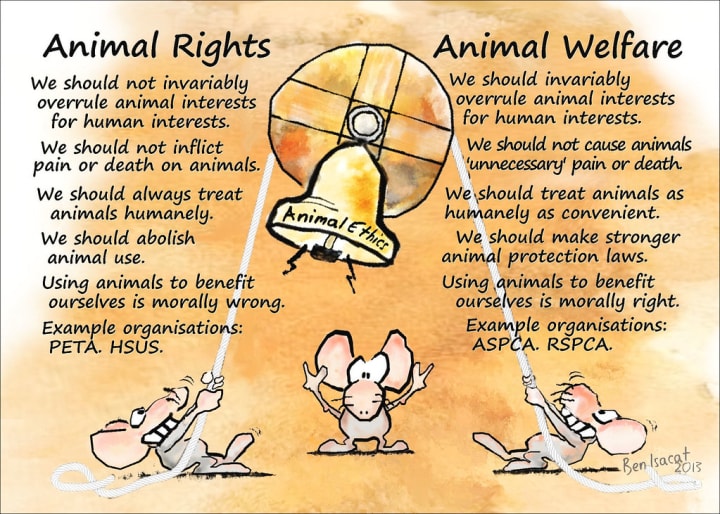
Animal welfare believes that animals can be used by us as long as we meet their needs. (Food, shelter, physical and mental health, etc.)
Animal rescues and shelters are great ways to obtain a pet or working animal. However, not all rescues are created equal. They are only sometimes regulated, and there is little to know if a rescue or shelter is legitimate. There have been cases of dogs coming from a well-known rescue or shelter, and it turns out that the rescue or shelter hasn't treated the animals well.
If you do choose the rescue route, please make sure you do your research as you would with a breeder. Again, neither rescues nor breeders are regulated, so doing your research is essential to getting the right pet for you and your needs.
Adopt-do-no-shop is often presented by Animal rights groups as the only way to obtain an animal, which is not the case at all. Breeders are important to keep certain breeds of dogs and cats alive, but adopt-do-no-shop is not the solution. As long as an animal is from a reputable breeder or rescue, you will receive a life companion.
Breeders are also crucial in helping to prevent a breed of dog or cat fromAccording to the AKC, this is known as preservation breeding going extinct.
"Breed preservation is needed at every level: the passionate pet owner who talks about her dog at Starbucks and the dog park; the competitive exhibitor who wants to participate in Groups with something different; and the experienced breeder who can share decades of knowledge to help an uncommon breed become better known. The struggle is real, and it deserves everyone’s best effort."
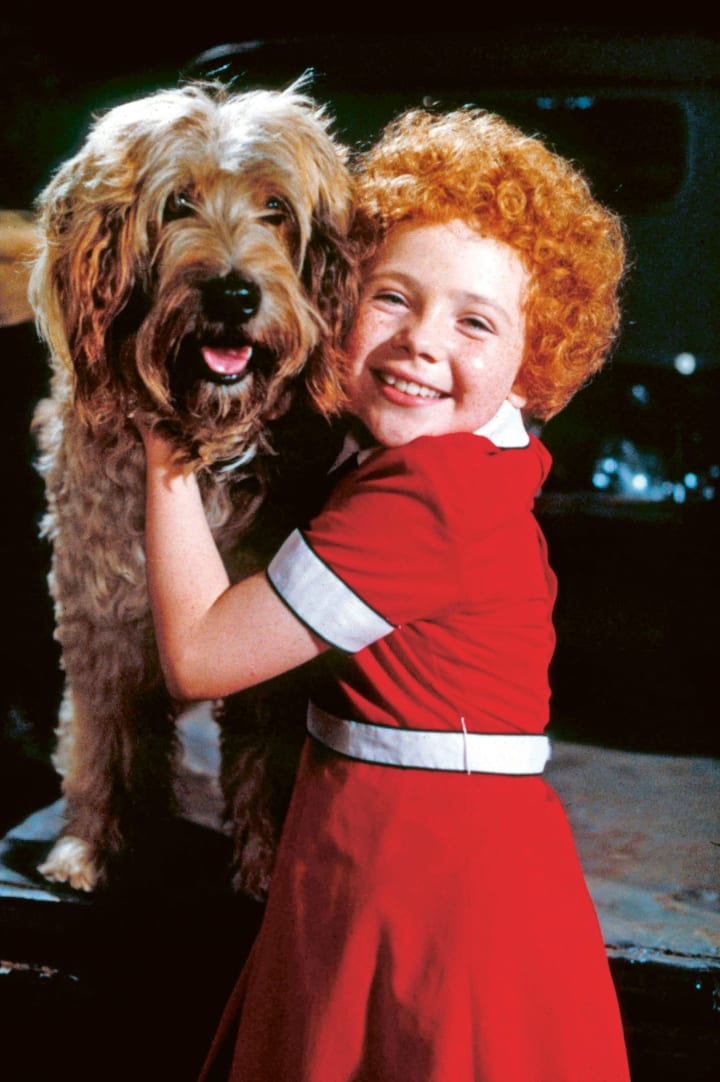
Breed preservation keeps unique breeds like the Glenn of Imaal terrier, Dandie Dimont. (The only dog breed named after a fictional character.) The Otterhound (The breed that played Sandy in the original Annie movie.), The Puli and Mudi, among others. Even more well-known breeds like the Dalmatian. Breeders have ensured that the Dalmatian will be bred to do what it was initially bred to do, being carriage dogs and assisting early horse-drawn fire engines. Now, there's a sport known as road trials, so the Dalmatians can still be used for their original purpose and to highlight the breed's history.
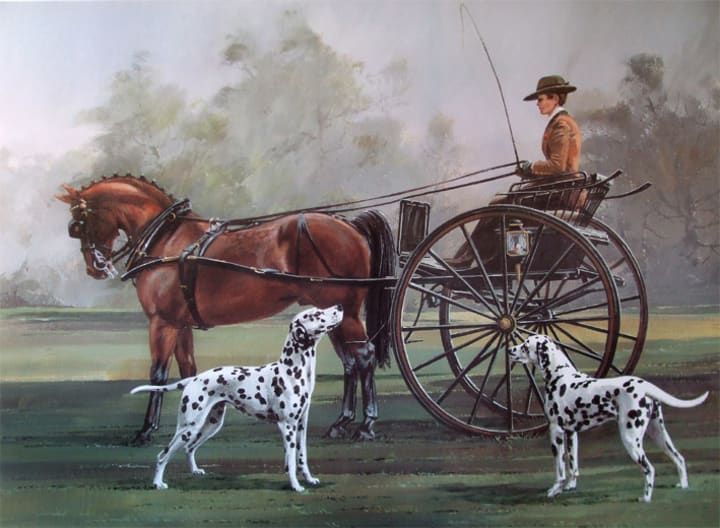
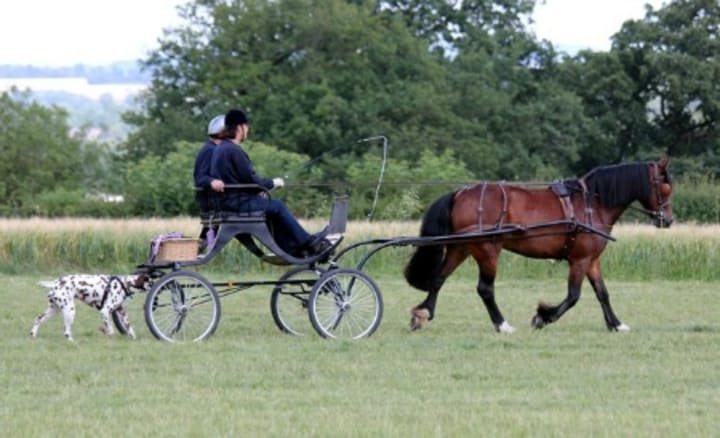
Breeding allows certain breeds to exist. Without breeders, there would be no purebred cats or dogs despite the claim that reputable breeder animals end up in the shelter after use or animals from breeders end up in shelters. That's not true either. Reputable breeders are usually always willing to take back an animal that doesn't fit in a home, and often, once breeding animals are retired, they get to live their lives as pets. Breeding is also essential for service dogs, show dogs, sports dogs, etc. Not just for show or companionship.
Adopt Don't Shop promotes adoption because people are often taught that breeders don't care for their dogs, but the exact opposite is true. Reputable breeders want to improve their breed and adhere to the standard of whatever dog or cat they choose to breed. Places like Puppy and Kitten mills are only for profit, and the breeding animals are kept in horrific and abysmal conditions.
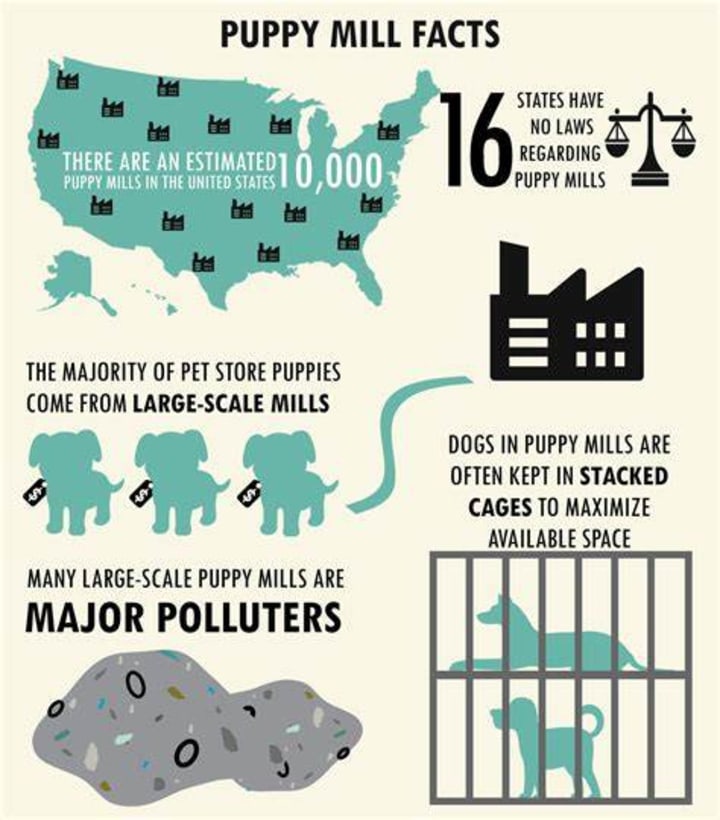
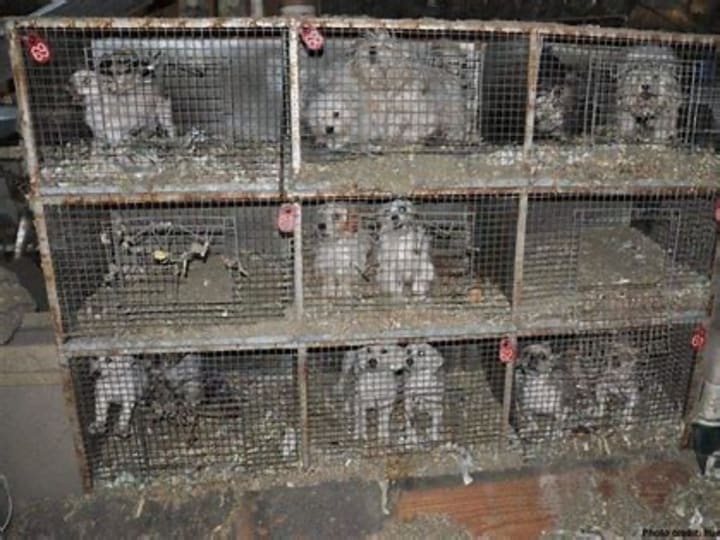
People who buy these puppies or Kittens believe they are helping the animals when, in reality, they allow for the suffering of more animals needing to be bred to meet demand. (This can also be true for reptiles, Guinea pigs, Bunnies, Hamsters, Birds, and even fish sold in pet stores. To meet demand.)
According to Red Rover.org, if you're looking to adopt a rescue animal but need to know if a rescue is legitimate, Could you look for the following qualities?
1. Is a registered 501(c)(3) charity. Check charitynavigator.org or the BBB Wise Giving Alliance to verify. Read reviews on GreatNonprofits.org.
2. Has a board of directors and a robust roster of volunteers.
3. Regularly attends or offers adoption events.
4. Please respond to any questions quickly and be willing to speak over the phone.
5. Answers your questions about how they operate, the number of animals they have and where they get them, how many adoptions they complete annually, how many foster homes they have, their annual budget, and their spay/neuter policy.
6. It has a clean and organized facility, and the animals appear fed and healthy. If the group operates solely out of foster homes, the ratio of foster homes to the total number of animals isn’t alarming.
7. Complies with local restrictions on the number of animals allowed per residence and other laws that pertain to running a shelter, such as having a kennel license.
8. Has a positive reputation in the community among veterinarians, animal shelters, and pet owners.
While rescuing animals is a great way to give them a better life, it is essential to note that not all rescues are just like breeders. Adopt Don't Shop doesn't take into account a person's wants or needs when it comes to wanting a certain kind of animal; they are created equal. They consistently push adoptions because they believe it's the only way.
Animals can come from a reputable rescue or a breeder, and both pets can have loving, fulfilling, and safe lives when in the right home.
About the Creator
Paige Krause
Hi, I'm Paige, and I love to read and write. I love music and dogs. I will mostly write about my favorite things. Autistic and service dog handler. Enjoy my writings
I also post my articles on Medium
Keep reading
More stories from Paige Krause and writers in Petlife and other communities.
Secretariat: The Best Racehorse
It's been fifty years since Secretariat broke records for all three triple crown races. There has been a movie about him and plenty of books written or will be written about him. He was the first racehorse to win the Triple Crown since 1948. No horse rider thought any horse would ever win the Triple Crown again. It seemed impossible for modern horses to win all three races. Some had come close but had yet to snag a complete win.
By Paige Krause 2 years ago in Petlife
The Summer I Was Chosen by a Northern Mockingbird
During the long, suspended days of the pandemic, a wild mockingbird began visiting my driveway and chose me, again and again. What started as a strange encounter became a brief, meaningful connection that I still carry with me.
By Erica Roberts 17 days ago in Petlife
How I Bake For A Living And Raise A Rescue Dog
I bake at 3:30am for work. It pays the bills and allows me to spoil my rescue dog, Asher. I also bake at home while trying not to trip over Asher. Here are a few notes from an early morning baker living in her first-time home with a clingy puppy despite graduating with an english literature degree.
By Rizza Gesmundo6 days ago in Petlife


Comments
There are no comments for this story
Be the first to respond and start the conversation.