
To Kill a Mockingbird
The Mockingbird That Was Never Meant to Die

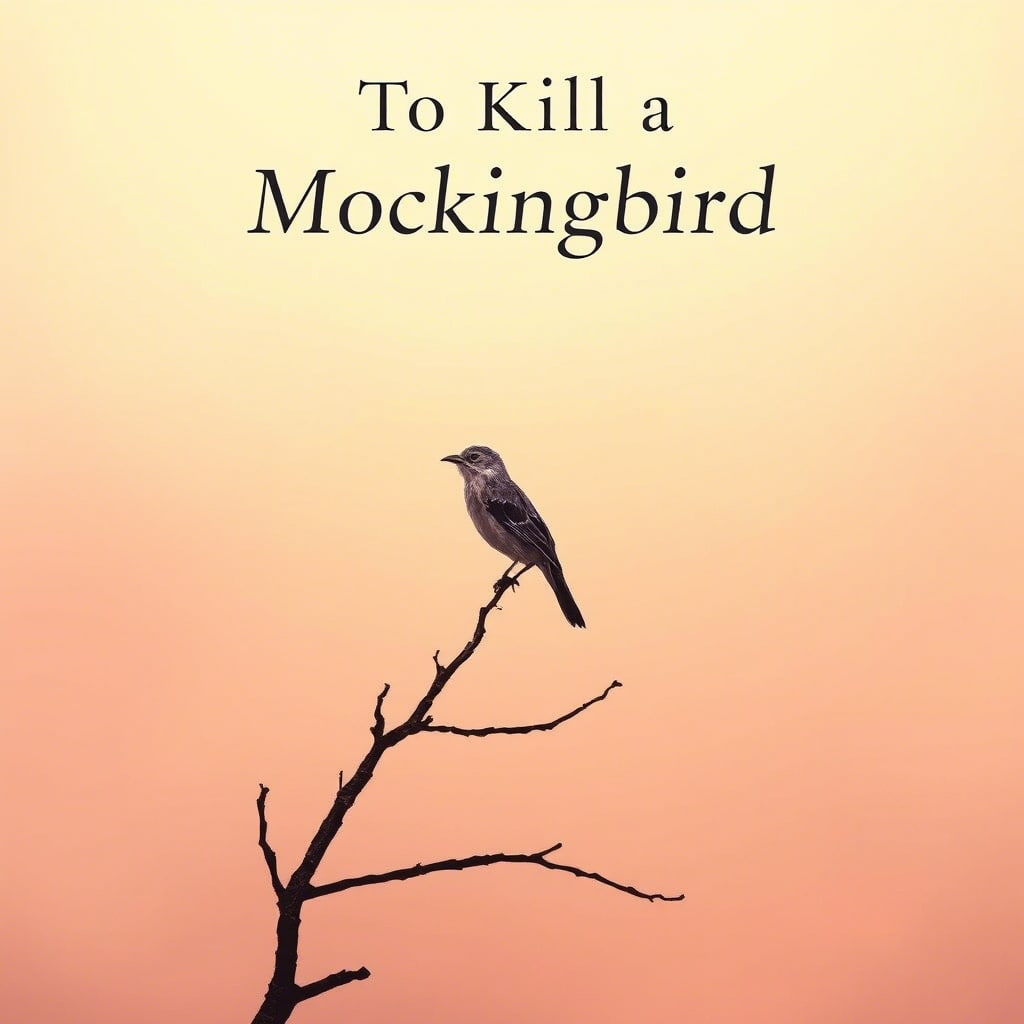
To Kill a Mockingbird is one of the most loved novels in American literature. It was written by Harper Lee and published in 1960. The story is powerful, emotional, and full of important lessons that still matter today. Set in a small town in Alabama during the 1930s, the book talks about racism, injustice, courage, growing up, and the importance of doing what is right—even when it’s hard.
The Main Characters
The story is told through the eyes of a young girl named Scout Finch. She is only six years old when the story begins, and she lives with her older brother Jem and their widowed father, Atticus Finch. Scout is smart, curious, and very outspoken. Jem, her brother, is brave and protective. Their father, Atticus, is a calm, kind, and wise man who works as a lawyer.
Another mysterious character is Boo Radley, the Finch family’s neighbor. Boo never leaves his house, and many kids in the town make up scary stories about him. But as the story goes on, we learn he’s not the monster people think he is.
What the Story Is About
The main plot centers around a Black man named Tom Robinson, who is falsely accused of a crime. A white woman, Mayella Ewell, says that Tom attacked her. In reality, Tom is innocent. But because he is Black and it’s the 1930s in the American South—a time when racism was very strong—most of the town is already against him.
Atticus Finch is assigned to defend Tom Robinson in court. Even though many people in the town are angry at him for defending a Black man, Atticus stands by what is right. He tries his best to show that Tom is not guilty, and he teaches his children to always stand up for justice and truth.
Why the Book Is Important
One of the strongest messages in To Kill a Mockingbird is about seeing the world from another person’s point of view. Atticus tells Scout, “You never really understand a person until you consider things from his point of view… until you climb into his skin and walk around in it.” This powerful advice helps Scout and Jem grow and mature as they witness the unfair treatment of Tom Robinson and the way people treat Boo Radley.
The book also shows the difference between good and evil, and how sometimes people can do cruel things out of fear, ignorance, or hate. But it also shows that there are always people who are kind, brave, and willing to fight for what is right—like Atticus, and even Boo Radley in his own quiet way.
A Story of Growing Up
Besides the courtroom drama and lessons on justice, To Kill a Mockingbird is also a beautiful coming-of-age story. Scout and Jem start to see the world as it really is—not just as a place of fun and games, but also one where there is real pain, unfairness, and responsibility. They learn that life isn’t always simple, and doing the right thing is not always easy—but it’s always worth it.
The Title Meaning
The title, To Kill a Mockingbird, has a deep meaning. Mockingbirds are harmless birds that just sing and bring joy. In the story, Atticus tells his children that it’s a sin to kill a mockingbird because they don’t do anything wrong—they only make music for us to enjoy. This idea is a symbol of innocence, and characters like Tom Robinson and Boo Radley are the “mockingbirds” of the story—innocent people who are hurt by the cruelty of others.
Conclusion
To Kill a Mockingbird is more than just a book about a court case. It’s a touching, thought-provoking story about fairness, kindness, and understanding. It teaches us to stand up for others, even when it’s not popular. It reminds us not to judge people without knowing their full story. And most of all, it shows us that even in a world filled with injustice, there is always room for hope, courage, and compassion.
About the Creator
Muhammad Hayat
"Hello, I'm Muhammad Hayat | Welcome to my profile"
"Embracing the journey | Learning from failures | Growing stronger"
"Passionate learner | Enthusiastic writer | Sharing insights on [industry/field]"
"Bringing ideas to life"
Keep reading
More stories from Muhammad Hayat and writers in Petlife and other communities.
Shelter Dog Can't Contain Excitement As He's Finally Adopted After 683 Days
Yankee’s Journey: A Heartwarming Story of Hope and Patience After spending 683 days at an animal shelter, a dog named Yankee finally received the happy ending he deserved. His story is one of patience, love, and resilience. The Saginaw County Animal Care & Control Resource Center made sure that Yankee’s journey ended with the kind of farewell that would touch anyone’s heart.
By Muhammad Hayat10 months ago in Petlife
The Summer I Was Chosen by a Northern Mockingbird
During the long, suspended days of the pandemic, a wild mockingbird began visiting my driveway and chose me, again and again. What started as a strange encounter became a brief, meaningful connection that I still carry with me.
By Erica Roberts 14 days ago in Petlife
A Letter to the Firestarter
Dear Firestarter, We can all see you, we've been watching you since you began. In case you didn't know we were here before you and we will be here after. We witnessed your rise, your setbacks, your guilt and your lies. We witnessed you start the fire.
By Donny Foley4 days ago in Poets


Comments
There are no comments for this story
Be the first to respond and start the conversation.