
Revolution of Lifelike Realistic AI Photography and Why Photographers Should Fear for Their Careers.
How Has AI Photography Technology Become More Realistic?

Photography, an ever-evolving art form, has witnessed numerous technological advancements throughout its history. The rise of Generative AI now stands as a significant milestone, with the recent releases of GPT-4 and Midjourney V5 poised to redefine the future of photography. This article explores the potential of these cutting-edge AI tools and their symbiotic relationship in generating stunning, realistic images.
By using AI algorithms, photographers can now create images that look more realistic than ever before. This technology has enabled them to create images that are indistinguishable from photographs taken with a traditional camera.
The most advanced AI Photography technology so far is Midjourney V5 which is capable of producing images with a level of realism that can rival even the best professional photographers. The images created by these systems are often indistinguishable from those taken with a traditional camera. This is because the systems can accurately recreate lighting and shadows, as well as accurately simulate the behavior of light in the camera environment.
The increased realism and natural feel of Midjourney V5 technology have made it an essential tool for photographers and other creatives. It has enabled them to create images that are more detailed, more lifelike, and more interesting than those taken with a traditional camera. This has made AI Photography a powerful tool for photographers, as they can now produce images that are more compelling and creative than ever before.
What implications does AI Photography have for the photography industry?
AI Photography technology has had far-reaching implications for the photography industry.
The photography industry could witness a significant transformation with the potent blend of GPT-4 and Midjourney V5, revolutionizing areas such as food photography, architectural design, and advertising. AI-generated visuals can streamline tasks, freeing up professionals to concentrate on creativity and novelty. Nonetheless, the technology does have its limitations, with some images displaying inaccuracies or odd artifacts, necessitating additional polishing or reiterations to attain the desired result.
AI Photography has enabled photographers to create images with a greater degree of control than ever before. They can control the lighting, shadows, and other aspects of an image to create unique and creative images with the recent releases of GPT-4 and Midjourney V5 poised to redefine the future of photography.
Midjourney V5 AI Photography has enabled us to produce images with a greater degree of accuracy and precision than ever before. By using AI Prompts, you can now create images that are more detailed, more lifelike, and more interesting than those taken with a traditional camera.
OpenAI's GPT-4 is a language model with remarkable capabilities to comprehend and generate text that mimics human-like language, depending on the context. Its proficiency in creating content makes it an ideal tool for producing prompts for Midjourney V5. This advanced diffusion model can generate high-quality images from textual descriptions. This section will explore the priming process of GPT-4 and how it strengthens the partnership between the two AI technologies.
Examples of photos using GPT-4 and Midjourney V5.
The combination of GPT-4 and Midjourney V5 showcases the boundless potential of AI-created photography. By utilizing GPT-4's detailed prompts, Midjourney V5 can create a diverse range of images across different genres and aesthetics, including:
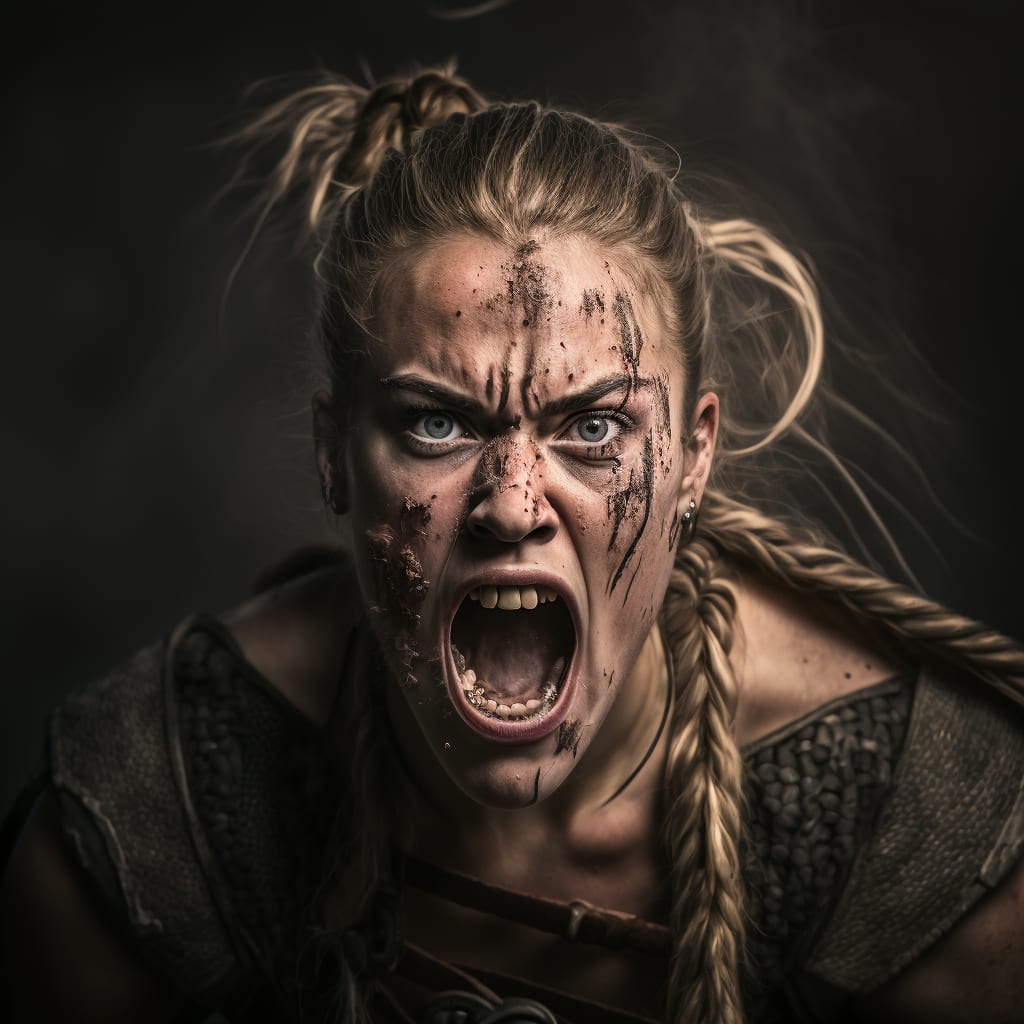
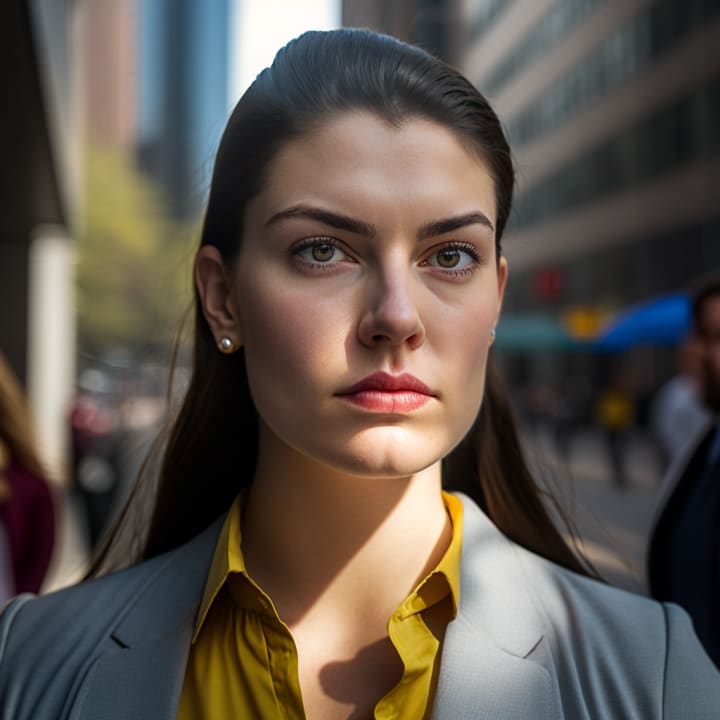
Using accurate details and camera settings, Midjourney V5 can generate lifelike photos of female Mid 30s Working Class or Viking warriors.
Prompt from GPT-4:
Prompt 1: "A Regular young American female in her 30s realistic picture of her in the street of New York, skyscraper, her face contorted with calm emotion and work ethics as she goes to work on a lovely sunny monday morning adorned with traditional office look, are expertly captured using a Canon EOS R5 mirrorless camera, paired with the sharp and versatile RF 85mm f/1.2L USM lens. The camera settings have been meticulously chosen to emphasize the striking details and dynamic range of the scene: an aperture of f/2, ISO 200, and a shutter speed of 1/500 sec. The composition benefits from the dramatic, natural lighting, which casts clear sky and highlights the woman's Athletic features and the expert craftsmanship of her handbag and iPhone."
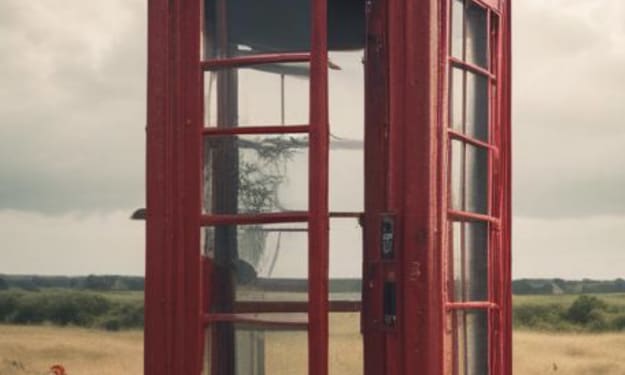
Prompt 2: "Using a Canon EOS R5 mirrorless camera and the RF 85mm f/1.2L USM lens, a captivating and authentic portrayal of a fierce female Viking warrior's mid-battle cry is expertly captured. The warrior's face is twisted with raw emotion and determination as she leads her comrades into battle. Her weathered face is adorned with traditional Norse tattoos, and her intense eyes are carefully highlighted with the chosen camera settings, which include an aperture of f/2, ISO 200, and a shutter speed of 1/500 sec. The natural lighting adds drama to the scene, casting bold shadows and emphasizing the intricate details of the warrior's armor and weapons. The shallow depth of field effectively isolates the warrior from the chaotic battlefield, drawing the viewer's attention to her unwavering courage and indomitable spirit." -- See Picture 1
What ethical considerations arise from AI Photography?
The use of AI Photography technology has raised several ethical considerations.
This technology also has some potential ethical implications that must be taken into account.
First, AI Photography technology has the potential to be misused. By using AI algorithms, photographers can create images that are indistinguishable from photographs taken with a traditional camera. This has the potential to be abused, as photographers could use this technology to create images that are deceptive or otherwise unethical.
Second, AI Photography technology can also be used to create images that are overly manipulated or otherwise unethical. By using AI algorithms, photographers can manipulate the lighting, shadows, and other aspects of an image to create unique and creative images. However, this manipulation can also be used to create images that are overly manipulated or otherwise unethical.
Third, AI Photography technology can also be used to create images that are overly realistic or otherwise unethical. This has the potential to be abused, as photographers could use this technology to create images that are unnaturally lifelike or otherwise unethical.
Fourth, AI Photography technology can also be used to create images that are overly sexualized, as photographers could use this technology to create images that are overly sexualized or otherwise unethical.
As a result, the use of AI Photography technology has raised several ethical considerations that must be taken into account. Photographers need to consider these ethical implications before using this technology to create images.
How can photographers prepare for the AI Photography revolution?
The AI Photography revolution is transforming the photography industry. To stay ahead of the curve, photographers must be prepared for the changes that this technology will bring to the industry. Here are some tips on how photographers can prepare for the AI Photography revolution.
First, photographers should learn about AI Photography technology. AI Photography technology is based on a combination of computer vision, machine learning, and natural language processing techniques. Photographers need to understand the fundamentals of these technologies to be able to create images that look more realistic than ever before.
Second, photographers should use AI Photography technology in their workflow. AI Photography technology can be used to enhance the look and feel of an image, as well as to automate certain tasks. By using AI Photography technology in their workflow, photographers can save time and produce images that look more realistic than ever before.
Third, photographers should invest in AI Photography software. There are some AI Photography software packages available on the market, ranging from free open-source tools to professional-grade software packages. By investing in the right software, photographers can make sure that they have the right tools to create images that look more realistic than ever before.
Fourth, photographers should experiment with AI Photography technology. AI Photography technology is still a relatively new technology, and as such, photographers need to experiment with it to get a feel for what it can do. By experimenting with the technology, photographers can gain an understanding of how it works and how to use it to create images that look more realistic than ever before.
Finally, photographers should stay up to date with the latest developments in AI Photography technology. As technology continues to evolve, photographers must stay up to date on the latest developments to stay ahead of the curve. By staying up to date, photographers can ensure that they are prepared for the changes that this technology will bring to the industry.
Conclusion
By following these tips, photographers can prepare for the AI Photography revolution and make sure that they are ready for the changes that this technology will bring to the industry. By taking the time to learn about AI Photography technology, invest in AI Photography software, experiment with AI Photography technology, and stay up to date on the latest developments, photographers can make sure that they are prepared for the AI Photography revolution.
About the Creator
Keep reading
More stories from Daniel Hewitt and writers in Photography and other communities.
Importance Of Cryptocurrency In The Coming Economic Recession
Inflation and Cryptocurrency: Can Crypto Protect Against Inflation During a Recession? Inflation is one of the major concerns during an economic recession. It refers to the rise in prices of goods and services over time. As inflation increases, the purchasing power of currency decreases, leading to a decrease in the value of money. This can make it challenging for individuals and businesses to keep up with expenses and maintain financial stability.
By Daniel Hewitt3 years ago in The Chain
We are England
Met a dear friend for a coffee the other day, walking to the appointment through familiar territory. I twice lived in South Norwood in the 1970s, a district of South London (SE25) so named for the great North Wood that covered the land 500 years ago. Some tiny remnants of this once expansive forest remain, as does considerable industrial archaeology and broader social and economic history.
By Raymond G. Taylor4 days ago in Photography
How an AI Photo Enhancer Helped Me Rescue My Childhood Memories
You know that feeling when you stumble upon something you forgot existed? That happened to me last weekend. I was digging through an old drawer when I found a stack of childhood photos — you know, the ones you haven’t looked at in decades. Most were a disaster: faded, scratched, some even curling at the edges. And there, in the middle, was a photo of my old dog, Buster. My heart sank.
By Verity Gray5 days ago in Photography

Comments
There are no comments for this story
Be the first to respond and start the conversation.