
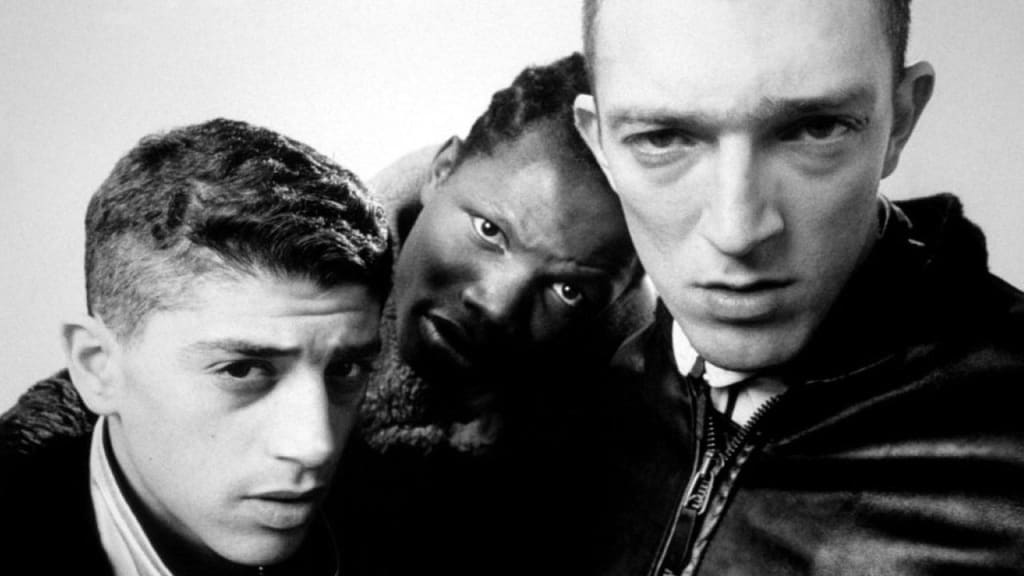
We all know that for the first 40 years or so, narrative motion pictures were shot in black and white. However, for the past 80 years, we have had the ability to shoot in color, and for the past 60 years, it has been widely available. So, why do filmmakers still choose to shoot their films in black and white? Well, there are actually several reasons for this.
In today's video, I will be discussing the different uses of black and white in the modern age and why you should consider using it for your next project, as long as it is appropriate for the story. I will also share some of my favorite examples of black and white cinematography for inspiration.
Currently, we mainly see black and white in two scenarios. The first is when filmmakers intentionally choose to shoot their film in black and white, such as in the case of "The Lighthouse." The second scenario is when filmmakers wanted their film to be in black and white, but the studio insisted on a color release. In these cases, the film is later released in black and white as an alternate version, like in "Nightmare Alley."
In the past, the decision to shoot in color or black and white was primarily based on budget constraints. However, story and themes also played a role. Nowadays, black and white is used in various genres, with thrillers and horrors being the most popular. However, we also have dramas like "Frances Ha" and "Dead Man" that utilize black and white cinematography. In an interview, director Barnbuck explained that he chose to shoot in black and white for "Frances Ha" to capture the romance, energy, and spirit of New York City and youth. Black and white cinematography continues to be a powerful and artistic choice for filmmakers. It adds a unique aesthetic and can enhance the storytelling experience. So, if it suits your story, don't hesitate to consider shooting in black and white for your next project. I'm guessing most of you are new to the game or have just a few years of experience under your belt. Well, let me tell you, this is an exciting time to be in the industry. Unlike 20 or 30 years ago, we don't have to worry about the cost of color film anymore. We can simply whip out our phones and start shooting. This gives us the freedom to experiment without the burden of a huge budget. But before I dive into why you should consider shooting in black and white for your next project, let me make one thing clear. It's not a cheat code to avoid grading your footage. Sure, it can simplify things, especially for beginners, but don't think of it as something you can slap on at the last minute. It's so much more than that.
So, why should you shoot in black and white? Well, for one, it restricts you. Without color, we have to rely on light, unique compositions, and even movement to make our images interesting. It forces us to think outside the box, especially if we're not trying to reference other films. And when it comes to lighting, using some sort of haze or smoke can quickly add depth to your image, even on a budget. Just shape the light with a few flags and diffusers, and you're good to go. Now, let's talk about my favorite kind of black and white cinematography: film noir. Not only does it create a mysterious mood, but it's also visually captivating. The sharp shadows, bright lighting, and strong silhouettes give it a theatrical feel, but with that extra slice of creativity from the compositions and movements. But here's the real kicker. When used properly, black and white cinematography really stands out. It grabs the viewer's attention and adds a timeless quality to your work. So, why not give it a shot? Challenge yourself to think differently and create something truly unique. So, my fellow filmmakers, embrace the power of black and white. Let it unleash your creativity and make your next project unforgettable.
Lights, camera, action!
About the Creator
Keep reading
More stories from BJ and writers in Photography and other communities.
Is digital surpassing film?
I've always found the topic of film versus digital to be really interesting because it's a question that doesn't have a clear answer. It seems like we're always trying to replace analog things with digital ones, but I'm not convinced that's always the right choice. The truth is probably somewhere in the middle. People don't like that answer though, they want to know which one is better.
By BJ2 years ago in Photography
Where to Get Inked in West Palm Beach: Expert-Approved Tattoo Shops
West Palm Beach has long been recognized for its vibrant arts and cultural communities, and the local tattoo scene is no exception. Over the years, the city has cultivated a diverse range of studios and artists, offering both traditional and contemporary styles. Among them, a tattoo parlor in West Palm Beach like Wooden Hearts Tattoo stands out as an example of skill, creativity, and professional standards.
By Abbasi Publisher3 days ago in Photography
ChatPic.org Platform Analysis: Speed, Privacy & Sustainability in Image Hosting
Introduction In the modern internet landscape, visual communication has become central to how people interact online. Whether in gaming forums, tech communities, educational discussions, or private chats, images are now used as fast carriers of information. Screenshots explain problems instantly, memes communicate humor within seconds, and visual references simplify complex ideas.
By Backlinks Cart5 days ago in Photography



Comments
There are no comments for this story
Be the first to respond and start the conversation.