
Why Real Estate Photography Matters
Insights from Industry Experts


Real estate photography isn’t just about snapping pretty pictures. In today’s digital market, professional photography directly influences buyer engagement, listing performance, and ultimately, sales results. With more than 90% of homebuyers starting their search online, the first impression a property makes is almost always visual. Quality photography can help a property sell faster, attract more views, and command higher offers than listings with sub-par images.
But what does it take to make real estate photos that sell? We asked three experts—Gagan Saini, Jonathan Ayala, and Andrew Reichek—to weigh in on how real estate professionals and photographers alike can elevate listing images and marketing strategies.
1. First Impressions Start with Preparation
Before the camera even turns on, preparation is key.
According to general industry best practices, staging, decluttering, and timing your shoot with optimal light can dramatically improve the outcome of real estate photography. This includes scheduling interior shots when natural light is abundant and making sure spaces are clean, breathable, and depersonalized to help buyers imagine themselves living there.
Insight from Gagan Saini
Gagan Saini, Director of Acquisitions at JiT Home Buyers, emphasizes that presentation is a major driver of perceived value—not just for buyers, but for investors and listing agents too. While Saini’s expertise falls primarily in real estate investment and fast property sales, the principle carries over: viewers make decisions based on what they see first. Clean, thoughtful staging and professional photography ultimately help properties sell faster, especially in competitive markets.
His advice to sellers? Treat your listing photos as a strategic investment, not an afterthought. When a property looks its best in photographs, it increases buyer interest and shortens time on market—which can be just as valuable as pricing it right.
2. The Expert Behind the Lens: Jonathan Ayala on Photography Standards
Professional real estate photography is both a technical craft and a marketing tool.
Founded by Jonathan Ayala, RealEstatePhotography.com seeks to raise the industry standard by highlighting best-in-class professionals and education for photographers nationwide. According to Ayala’s platform, successful real estate photography does three things:
- Captures the unique character of the property in a way that resonates emotionally with buyers.
- Shows spaces realistically but optimally, focusing on clarity, balance, and composition.
- Serves marketing goals—images should be versatile for listing portals, social media, slideshows, brochures, and virtual tours.
In a digital age where buyers often decide within seconds whether to click into a listing, Ayala notes that professional quality is no longer optional. Listings with high-quality photos get significantly more engagement than those with amateur visuals.
Technical and Artistic Priorities
Ayala’s philosophy highlights fundamentals like:
- Balanced lighting that avoids harsh shadows or blown-out highlights.
- Clean composition that emphasizes room flow and space.
- Consistency across images so the viewer’s journey through the gallery feels curated.
When a photographer masters these elements, listings don’t just display features—they tell a story about lifestyle and possibility.
3. Balancing Photography with Broader Real Estate Strategy
Photography is essential, but it must be paired with a smart marketing and sales strategy.
Perspective from Andrew Reichek
Andrew Reichek, a real estate broker and CEO of Bodebuilders, often focuses on broader listing success—of which photography is a key part. While Reichek’s core expertise lies in real estate investment and client sales strategy, his insights on presentations align with photography best practices: data, trust, and clarity drive buyer confidence.
Reichek stresses that photography should be integrated into a property’s overall sales narrative. In other words:
- Professional photos support pricing strategies.
- High-quality visuals help communicate value to buyers who never visit in person.
- Images become assets in marketing across listing sites, social media, and print advertising.
His real estate experience shows that buyers respond to professionalism and clarity. Listings that appear professional attract more attention and build credibility—especially when the rest of the marketing strategy reinforces that image.
4. Best Practices Every Real Estate Photographer Should Follow
While expert perspectives differ slightly in focus, several core principles unify effective real estate photography:
- Master Lighting
Natural light is often ideal for interiors, while careful use of additional lighting (soft flashes or LED panels) balances shadows and highlights.
- Optimize Composition
Using techniques such as the Rule of Thirds helps frame rooms in a visually pleasing way.
- Use the Right Equipment
Professional cameras, wide-angle lenses, and tripods ensure crisp, distortion-free images.
- Consider Storytelling Through Images
Beyond standard room shots, detail photos (like fixtures, architectural elements, or finishes) add depth and character to the listing.
- Maintain Consistency Across Shots
Consistent exposure, color balance, and editing create a cohesive photo gallery that feels polished and inviting.
5. The ROI of Real Estate Photography
High-quality real estate photography is one of the highest ROI marketing tools in property sales. Professional photos help listings:
- Stand out on crowded portals.
- Attract more online views.
- Drive higher engagement and more showings.
- Improve chances of multiple offers.
With the right approach, these photos become investment tools, not just marketing collateral.
Final Thoughts
Real estate photography is where art meets strategy—a blend of visual storytelling and market expertise. When professionals like Gagan Saini underline the value of presentation, and platforms like RealEstatePhotography.com help raise standards across the industry, the role of photography becomes central to real estate success.
Whether you’re a homeowner preparing to sell, a real estate agent assembling your next listing, or a photographer building a portfolio, understanding this craft—and its impact on the sales process—can make all the difference.
High-quality real estate photography isn’t just about capturing spaces. It’s about connecting with buyers before they ever walk through the door.
About the Creator
Keep reading
More stories from Nataliie Wilson and writers in Photography and other communities.
How Mount Kilimanjaro Became a Symbol of Africa
Mount Kilimanjaro is widely recognized as one of Africa’s most iconic natural landmarks. Located in northeastern Tanzania near the Kenyan border, it is the highest mountain in Africa, reaching approximately 5,895 meters (19,341 feet) above sea level. Its height, snow-capped peak, and cultural significance have helped it become a powerful symbol of the continent.
By Nataliie Wilsona day ago in Journal
Snapshots of a Wandering Mind
Sana had always seen the world differently. While others walked past unnoticed streets, ordinary trees, or quiet cafes, she noticed the light falling on a cracked wall, the shadow of a bird in mid-flight, the faint smile of a stranger lost in thought. Her camera was her companion, a bridge between what she saw and what others often overlooked.
By Sudais Zakwan6 days ago in Photography
What Are the Best Action Cameras in 2026?
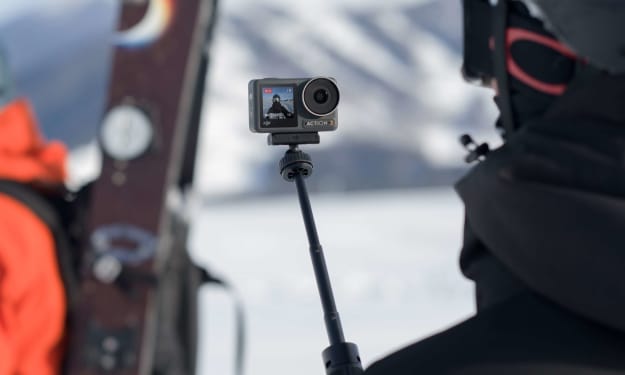
In a world where moments disappear in seconds, capturing them perfectly has never been more important. Whether you're hiking through misty mountains, diving into crystal-clear waters, documenting your travels, vlogging your daily life, or racing down rugged trails, an action camera gives you the power to relive every thrilling second.
By Labiba2 days ago in Photography
The Angry Man in Your House
"If you grow up with an angry man in your house, there will always be an angry man in your house" This statement has caused plenty of controversy online, people say its a statement that blames victims while also undermining those who break traumatic cycles to form health relationships... but if I'm honest now that I'm in my 30s it makes more sense to me than ever, and I'd argue that its not just about fathers and uncles.
By S. A. Crawford3 days ago in Humans



Comments
There are no comments for this story
Be the first to respond and start the conversation.