
Hills of Tara
The beauty, the spectacle, The wonder
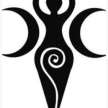

The Hill of Tara is a real place in Ireland.
It is grass, soil, wind, and grazing animals.
People walk there on marked paths and read posted signs.
The ground rises gently, and from the top the fields spread outward.
Long before visitors arrived, communities gathered here.
Authority was spoken aloud and remembered by witnesses.
Genealogies were recited so that land and obligation were clear.
Status depended on recognition, not written record.
The Celts organized law through memory and training.
Poets, judges, and druids studied for years.
They learned ritual calendars and methods of teaching.
They advised leaders and supervised agreements.
A notification vibrates in my pocket.
Fires once marked seasonal transitions.
People attended because cooperation was necessary for survival.
Weather determined harvests and animal health.
Ritual reinforced shared responsibility.
Later monasteries recorded parts of earlier traditions.
They preserved stories but changed meanings.
Languages shifted.
Political control changed hands repeatedly.
Today tourists arrive by car and bus.
They take photographs and then leave.
The grass continues growing after footsteps pass.
The hill does not restore the past.
It remains a location where people stand, look outward, and try to understand continuity
About the Creator
The Celtic Spirit- A modern Guide to Celtic Belief and Practice
explaining Celtic mythology, druid practice, and reconstructions of paganism for modern readers
Keep reading
More stories from The Celtic Spirit- A modern Guide to Celtic Belief and Practice and writers in Poets and other communities.
I Don't Need My Phone... Wait, Is That Actually True?
My parents gave me my first cell phone when I was twelve years old. It wasn't a fancy iPhone or anything, not even close. Just a simple black flip phone for when I needed to call or text them after school.
By Madison "Maddy" Newton7 days ago in Humans



Comments
There are no comments for this story
Be the first to respond and start the conversation.