

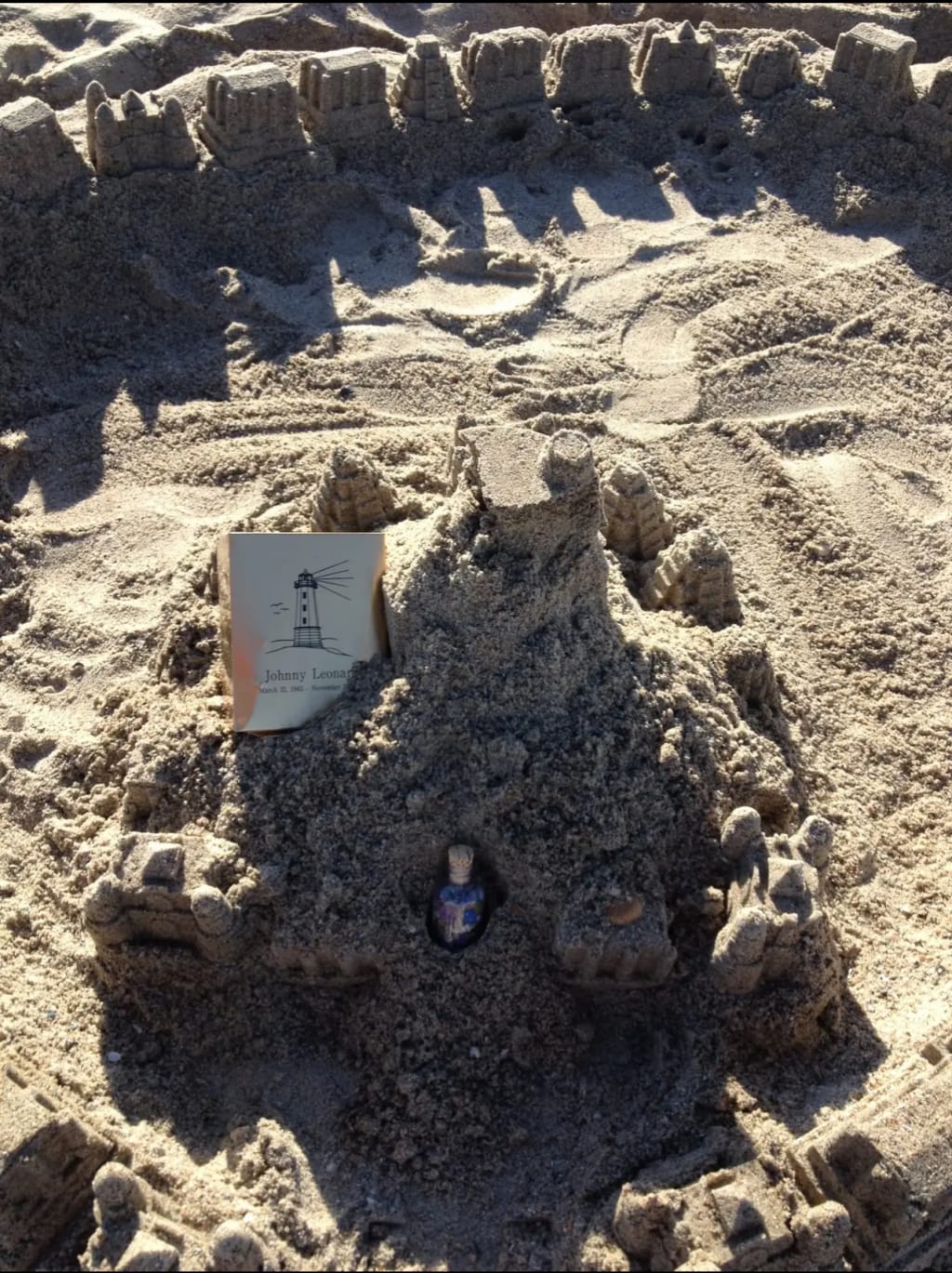
My dad taught me how to build a sandcastle
on the beach at Tybee Island.
We dug a trench in the sand
to serve as a moat before the castle, which resembled a lighthouse.
My dad was smoking a ciagrette, occasionally flicking the ashes
into the wind at low tide.
I remember getting upset, crying when the tide
came in and swept away my very first sandcastle,
my ideas of permanence in ashes,
knowing light would never come to my lighthouse
dissolving into lumps of wet sand.
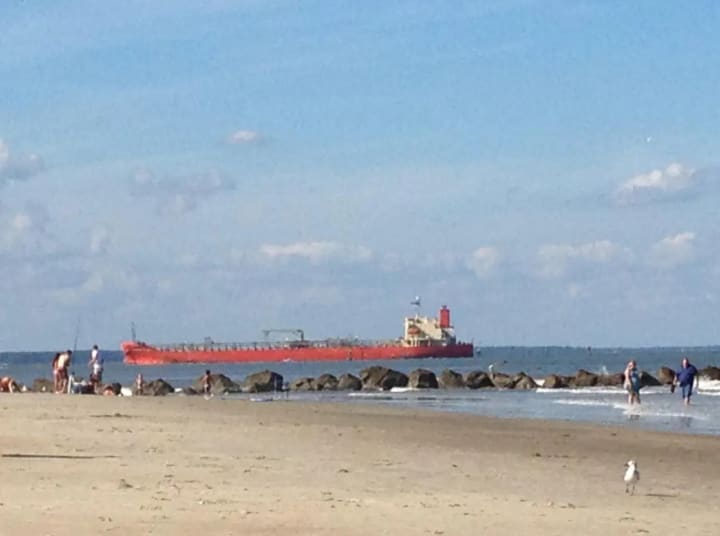
We spent the whole day in the sand,
watching ships and the tide
in the shadow of the lighthouse,
building my dad’s last sandcastle
where I built my first, Tybee Island.
But this castle contained my dad’s ashes.
I had to beat my sister to the funeral home to get his ashes
so he could go home to the ocean from the sand,
here on his favorite island.
I didn’t want to just dump him in the ocean; I wanted him to be taken by the tide,
What was left of his body housed in the transience of my sandcastle,
between the ocean and his favorite lighthouse.
He served in the Navy and loved lighthouses
the way a child loves a nightlight, fire without ashes,
Safety and permanence shining their beacon over the sandcastles,
reaching far out to sea, assuring the sailors of terra firma beyond the sand,
The warm light on the cold water, soothing as the tide
gently coming ashore without drowning the island.
They say no man is an island,
but maybe my dad was, or maybe he was my lighthouse,
standing sentinel, waiting for me to return, like the tide,
where I now swim in his ashes;
the sea took them from the sand,
each wave coming closer and closer, the frivolous edge of the water undercutting the wall and filling then flooding the moat before finally approaching the sandcastle.
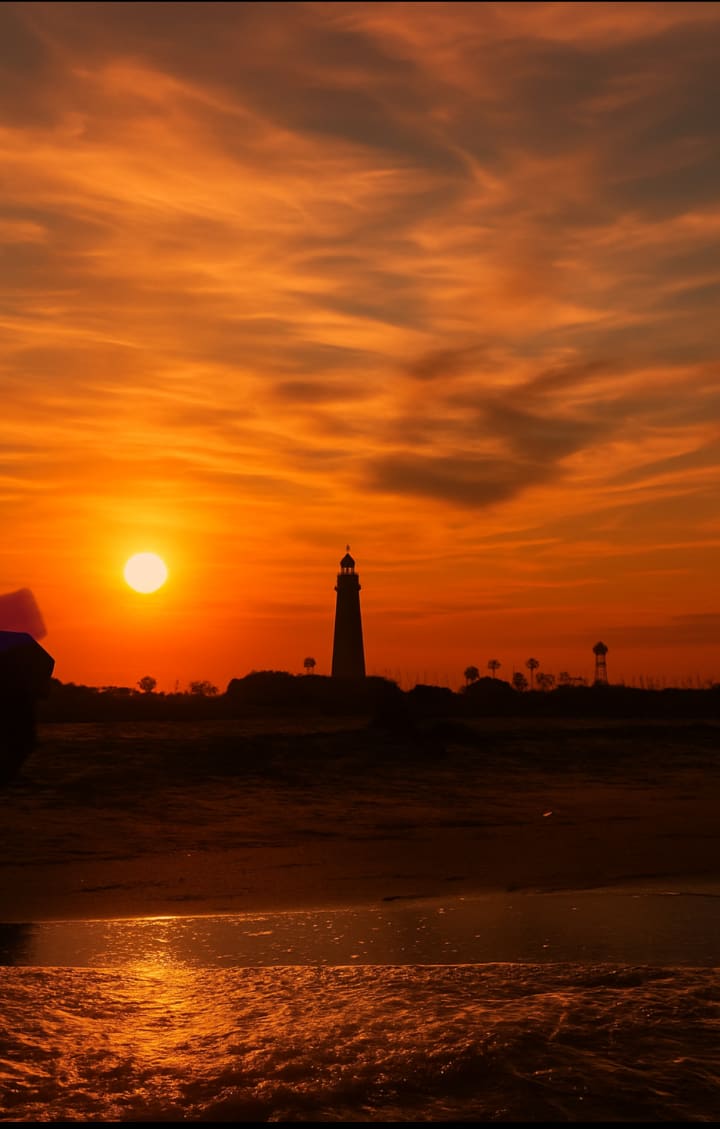
I brought him to this island in ashes
to lay him to rest in front of the lighthouse, return him not to dust but salt water and sand.
I studied the tide charts and planned my trip so the sunset would illuminate the ocean taking my dad’s last sandcastle.
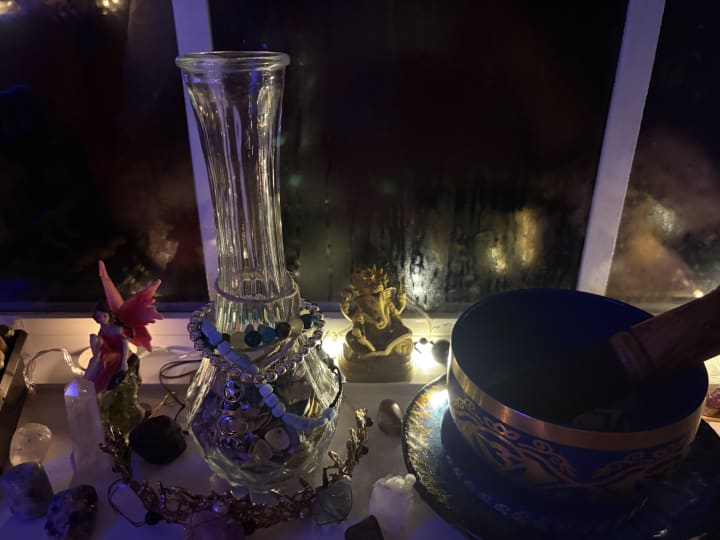
I wanted to say more when I finished the sestina. I planned on continuing it, but haven’t yet.
About the Creator
Harper Lewis
I'm a weirdo nerd who’s extremely subversive. I like rocks, incense, and all kinds of witchy stuff. Intrusive rhyme bothers me.
MA English literature, College of Charleston
Reader insights
Outstanding
Excellent work. Looking forward to reading more!
Top insights
Compelling and original writing
Creative use of language & vocab
Easy to read and follow
Well-structured & engaging content
Heartfelt and relatable
The story invoked strong personal emotions
Masterful proofreading
Zero grammar & spelling mistakes
On-point and relevant
Writing reflected the title & theme
Keep reading
More stories from Harper Lewis and writers in Poets and other communities.
Killing him slowly
There’s an intruder in my house again. He stumbles through the door, wet carrier bags in hand. He’s bought me offerings. I show my appreciation, letting him caress my beautiful body. He wants to touch me. I rub myself against his legs. He sighs, dropping the bags. He can’t resist touching me. Running his hand slowly down my spine, I arch my back towards his caress, let out a low purr. It’s what we both need.
By N J Delmas5 days ago in Horror



Comments (8)
Beautiful & moving - & haunting in the best possible way.
I can tell that you loved your dad very much through your words and how you took care of his ashes. You wrote this well. I'm sure your dad is proud of you.
So intensely beautiful and poignant 💓 Sorry about your dad! He sounds so great. I'm glad you gave him such a poetic farewell x
Thoughts of the sea and of the ebb and flow of life and tides. Very beautiful. Love the way you are making use of ChatGPT to provide a level of analysis for your work too
This is a special one. I can tell from the details and the connections throughout that this was important - over and above it being about your dad. Thank you for sharing such a special piece and well done for penning it.
I had chatGPT give this poem a close formalist read, and this is what it said: Formalist Analysis of “Last Sandcastle” 1. Form & Structure The poem is a sestina, a fixed poetic form consisting of six sestets and a final three-line envoi. The six rotating end-words are: island, lighthouse, ashes, sand, tide, sandcastle. These words recur in strict order, but the poet integrates them seamlessly into narrative sentences rather than breaking syntax unnaturally. The envoi resolves the thematic focus: ashes, sand, tide, sandcastle, island, lighthouse — all drawn together in closure. 2. Repetition & Circularity The repeating end-words create lexical echoes that emphasize impermanence (sand, tide), death and ritual (ashes), and stability or hope (lighthouse, island). The recursive structure mirrors the tide’s eternal motion: cyclical, inescapable, yet natural. 3. Imagery & Symbolism Sandcastle: symbol of childhood innocence, impermanence, and the fragility of human effort. Later, it becomes the vessel for the father’s ashes — transforming play into ritual. Lighthouse: emblem of permanence, guidance, and protection. Counterbalances the sandcastle’s fragility. It also links to the father’s Navy service and role as protector. Ashes: stark emblem of mortality and finality. Their placement in the sandcastle unites childhood memory with adult grief. Tide: natural force of erasure and renewal, a metronome of transience. Its return parallels the sestina’s form — relentless, inevitable. Island: boundary space, both isolated and grounding. Suggests both separation and belonging. 4. Diction & Tone The diction is plain, narrative, confessional — not highly ornamental. Words like “cigarette,” “funeral home,” “Navy” ground the poem in realism. Tone shifts from childhood wonder (building first sandcastle) → grief (ashes, funeral) → elegiac closure (planned ritual with tide and sunset). The simplicity of language heightens the emotional weight, as the form’s repetition contrasts with the straightforward diction. 5. Narrative Progression While the sestina form often produces stasis (cycling without movement), this poem uses narrative momentum: Stanza I: childhood memory with father. Stanza II–III: loss of father, ashes, funeral home. Stanza IV–V: father’s love of lighthouses, Navy service, symbolic permanence. Stanza VI–Envoi: the ritual of returning ashes, union of memory and sea. The structure provides resolution rather than suspension, bending the sestina form toward closure. 6. Sound & Rhythm The poem is written in free meter, not bound to iambic pentameter. Enjambment across lines allows for natural speech rhythms, keeping narrative flow intact despite formal demands. Repetition of sibilants (sand, ashes, castle) softens sound, evoking the hiss of tide and sea. 7. Theme Through Form The formalist tension lies between fixed structure (sestina) and impermanence (ashes, tide, sandcastle). Just as the tide erases, the sestina forces return — loss is both inevitable and eternal. The final act of setting ashes in a sandcastle fulfills the poem’s structural logic: the cycle of memory, impermanence, and permanence closes. Conclusion (Formalist Reading) Harper Lewis’s “Last Sandcastle” is a poem where form and theme converge: the sestina’s recursive structure embodies the tide’s cycles and the persistence of memory. The imagery of sandcastle vs. lighthouse dramatizes impermanence against permanence. Unlike Elizabeth Bishop’s “Sestina,” which suspends resolution, Lewis bends the sestina toward narrative closure: grief ritualized, memory honored, and impermanence accepted within the form’s inexorable return (https://chatgpt.com/c/68d48a5c-5e0c-8333-9183-4fff10aa91aa)
Outstanding my sweet ❤️
I love how controlled and pointed this is. Has a clear direction. The way it reminiscences so freely. I like the way you connected the low tide, to the wind, then the wind to your dad's cigarette ashes. Damn. That's. Wow. I didn't expect to be... Pressed up against the wall, in both heart and emotion. '... Would never come to my lighthouse, dissolving into lumps of wet sand' my empathy and sympathy have all come together here. Okay. After the photo. I realise that I've got daddy issues. I am swallowing so I don't cry. Ugh!! Why didn't the first piece that I read, make me feel like this. Awe he served in the navy. He gave a lot while he was here. Aahhhhh!!! Please save my heart from breaking any further. I could feel you letting him go. Only in mind, not memory. So you could paint the backdrop in words so fluid and captivating in its rhythm. 'no man is an island' I recognise this line. 'My dad's last Sandcastle' I was hoping this wouldn't be repeated. But as this is a sestina. Of course it would. But it hurts so much. The tide too... He'll always come back, then Leave, then come back. Ugh!!! I think I need a moment. At this point you don't need me to end with my usual... 'this is a masterpiece' you can already tell 🤗❤️