

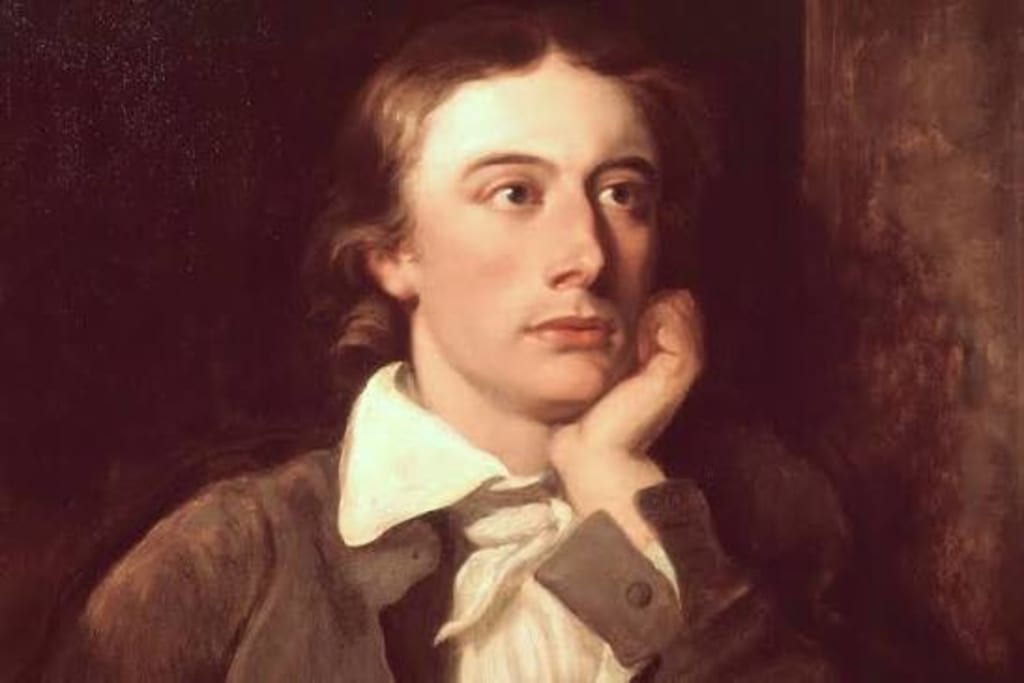
The old poet sat quietly near his window, watching the world move without him. His hair had turned white, his hands trembled slightly, but his eyes still carried stories. He had spent his whole life with words. When others chased money and fame, he chased meaning.
In his youth, the poet wrote with fire. His poems were full of love, dreams, and rebellion. He believed words could change the world. People praised him for a while, then slowly forgot him. Time moved on, but the poet stayed with his pen. He learned that fame is temporary, but truth lives longer.
As years passed, his poems became softer. They were no longer loud, but deep. He wrote about pain, loss, patience, and hope. He understood that life is not about winning, but about understanding. His verses carried silence, and that silence spoke more than noise.
The old poet lived simply. His room was small, his clothes plain, but his heart was rich. He found happiness in memories, books, and quiet mornings. Sometimes he felt lonely, but he never felt empty. Writing was his companion when people were gone.
Children in the neighborhood did not know his name, but sometimes they stopped to listen when he read aloud. His voice was slow, but every word carried weight. He taught without teaching. He healed without knowing.
The poet had learned one important lesson: life breaks everyone, but it also shapes us. Pain, if accepted, becomes wisdom. Loss, if understood, becomes strength. His poems were not written to impress, but to tell the truth.
When asked why he still wrote at his age, the poet smiled and said, “Because my heart still feels.” For him, poetry was not a job. It was breathing.
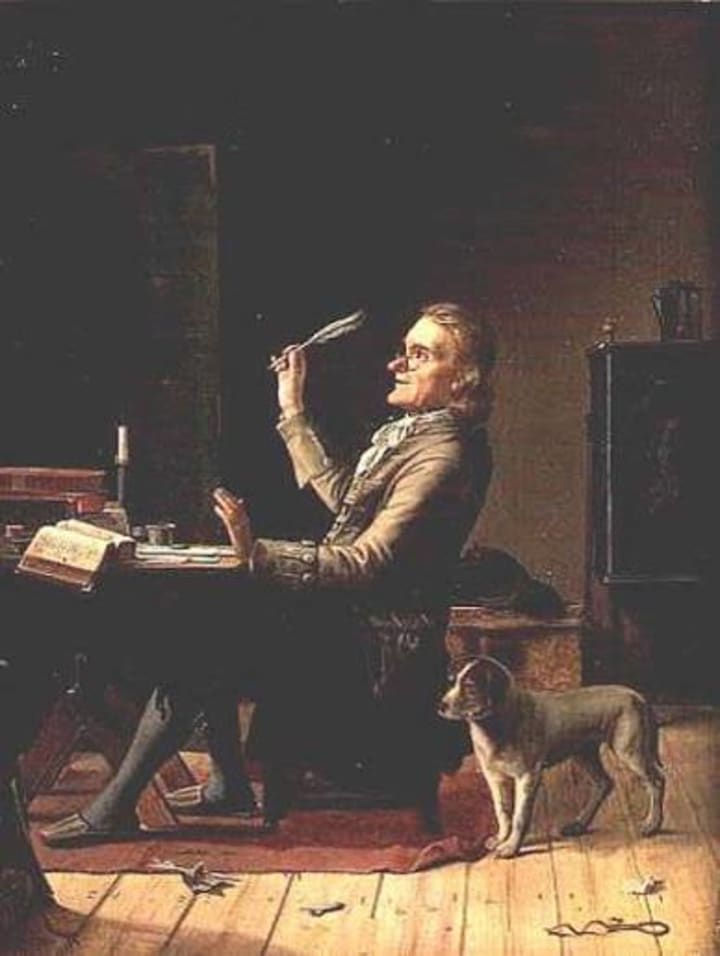
The old poet was not famous, but he was rich in experience. He had lived through joy and sorrow, love and loss, success and failure. Each moment of his life became a lesson, and each lesson turned into poetry. His words came from real pain, not imagination.
He believed that silence is also a form of poetry. Many times, he sat quietly, thinking deeply before writing a single line. He knew that true words take time. He did not rush, because life itself had taught him patience.
The poet understood people very well. He had seen how humans change with time, how promises fade, and how hearts break. Instead of becoming bitter, he became wise. His poems were gentle reminders to slow down, to feel, and to understand one another.
He never wrote for praise or money. For him, poetry was truth. Even if no one read his poems, he would still write. Writing kept his heart alive. It gave him purpose when the world moved on without noticing him.
The old poet also believed that pain is a teacher. He often said that happiness teaches little, but sorrow teaches deeply. This is why his poems touched hearts. They felt real, honest, and human.
In his old age, the poet found peace. He no longer chased dreams; he understood them. He accepted life as it was and was thankful for every moment. His poetry became calm, clear, and full of meaning.
The old poet shows us that age does not weaken creativity. Instead, it makes it deeper. True poetry does not come from youth or energy, but from understanding life. His life proves that words written with truth never grow old.
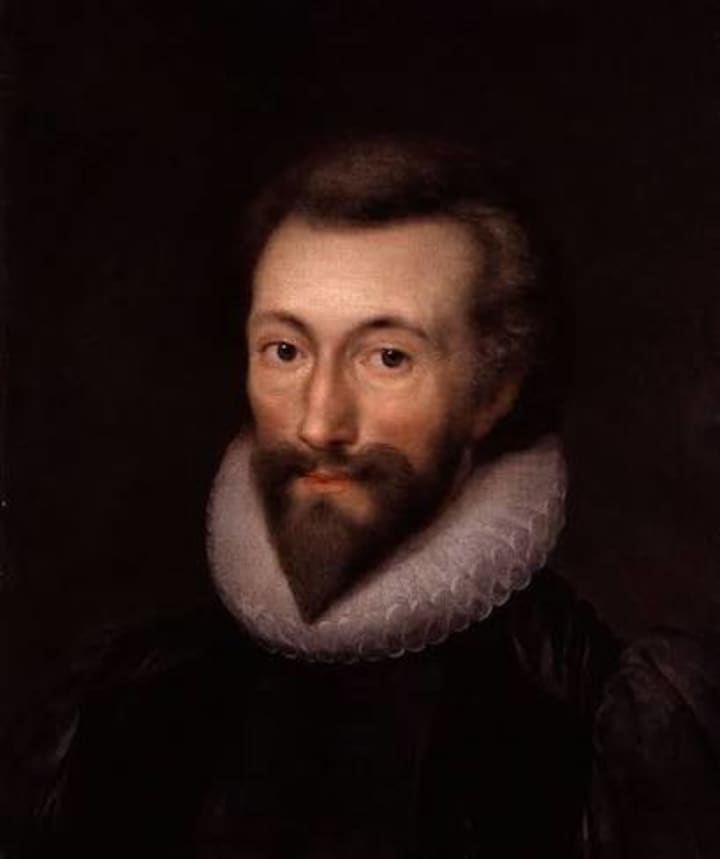
The old poet lived a quiet and simple life. He did not need crowds or praise to feel complete. His greatest treasure was his notebook, filled with words written over many years. Every line carried a memory, a lesson, or a silent tear.
He believed that life is the best teacher. The pain he faced made his poetry honest, and the losses he suffered made his words gentle. He did not hide his feelings; he accepted them. This honesty made his poetry powerful.
The poet watched the world carefully. He noticed how people rushed through life, chasing things that never last. Through his poems, he reminded others to slow down, to feel deeply, and to value small moments.
In old age, he became peaceful. He no longer complained about what he lost. Instead, he was grateful for what he understood. Writing kept him alive inside, even when his body grew weak.
The old poet teaches us that true poetry comes from the heart, not from fame or youth. When words are written with truth and patience, they remain meaningful forever.
About the Creator
shaoor afridi
“I am a passionate writer dedicated to sharing informative, engaging, and well-researched articles. My goal is to provide valuable content that educates, inspires, and adds real value to readers.”
Keep reading
More stories from shaoor afridi and writers in Poets and other communities.
Dead and Wearing Green
She was wearing that green dress when I first saw her, five years ago to the day. Flowing meadow fabric draped over long legs, thick auburn hair flowing down her back. That smile. Of course, she is still beautiful now. But now she is no longer alive.
By Karen Cave6 days ago in Fiction


Comments
There are no comments for this story
Be the first to respond and start the conversation.