
From Soil to Stories: Finding Representation Through Odia Literature
A Journey of Identity, Empathy, and Belonging

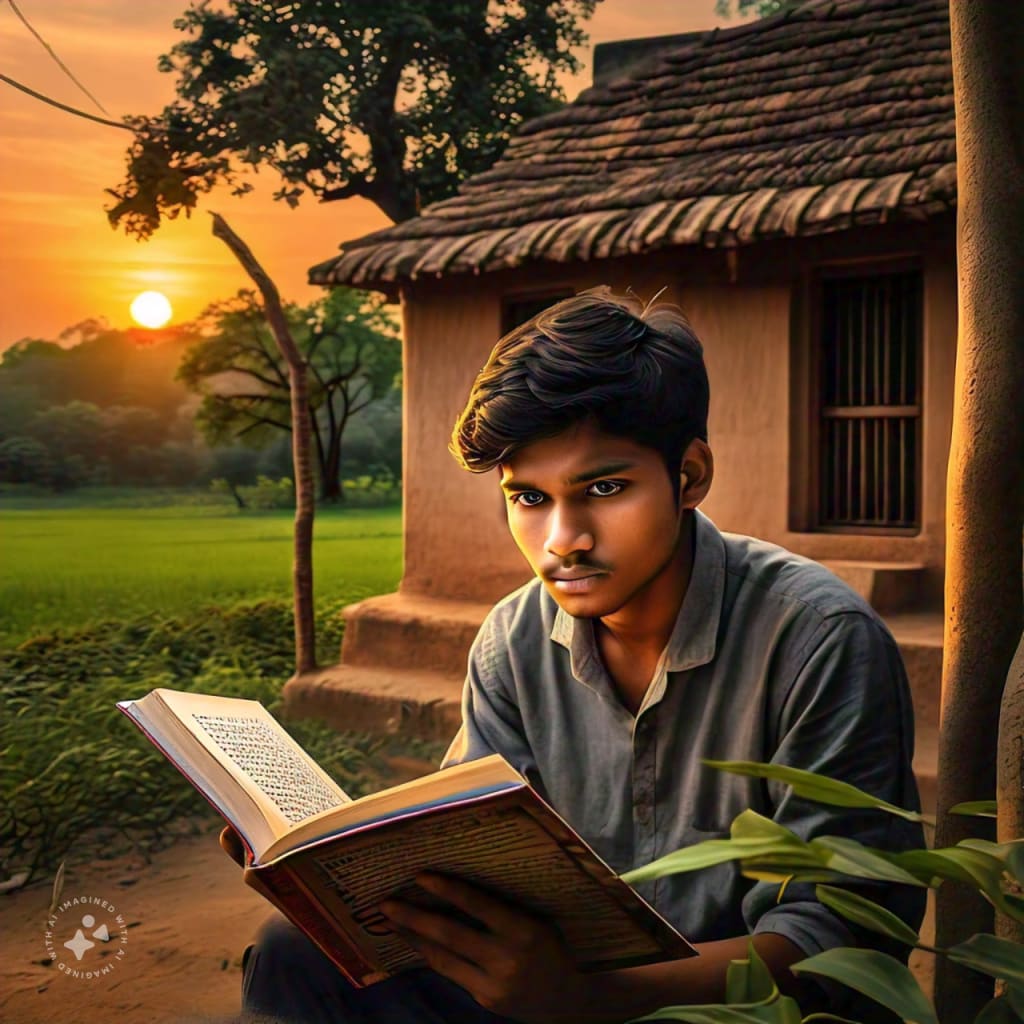
Growing Up in the Heart of Odisha’s Farmlands
"The soil is not just dirt; it's the foundation of life, culture, and dreams."
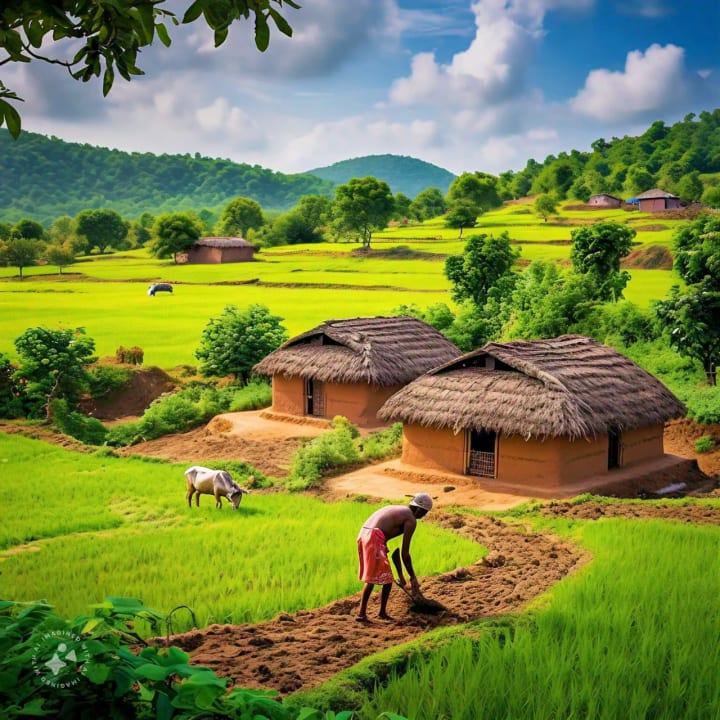
Growing up in a small village in Odisha, my world was shaped by the earth beneath my feet and the seasons that dictated our livelihood. My family relied on farming to make ends meet, and our lives were deeply intertwined with the rhythms of nature. In our home, there was little room for pop culture or modern distractions. Instead, I found my connection to the world through the rich literary traditions of Odisha, which spoke to me in ways that transcended our simple life.
Finding My Reflection in Fakira Mohanty’s Poems
"Literature is the mirror of life; it shows us who we are and what we could be."
One of the earliest moments where I felt truly seen was when I encountered the works of Fakira Mohanty. His poems weren’t about kings or mythical heroes—they were about people like us: farmers, workers, and those whose lives were shaped by hard work and simple dreams. Mohanty's words made me feel as if my own experiences, my struggles, and the dignity of my family were worthy of being written about. It was in those verses that I found a reflection of myself, not as a faceless villager, but as someone with a voice.
The Power of Representation in My Own Story
"When you read a story that reflects your life, it feels as if the world is finally listening."
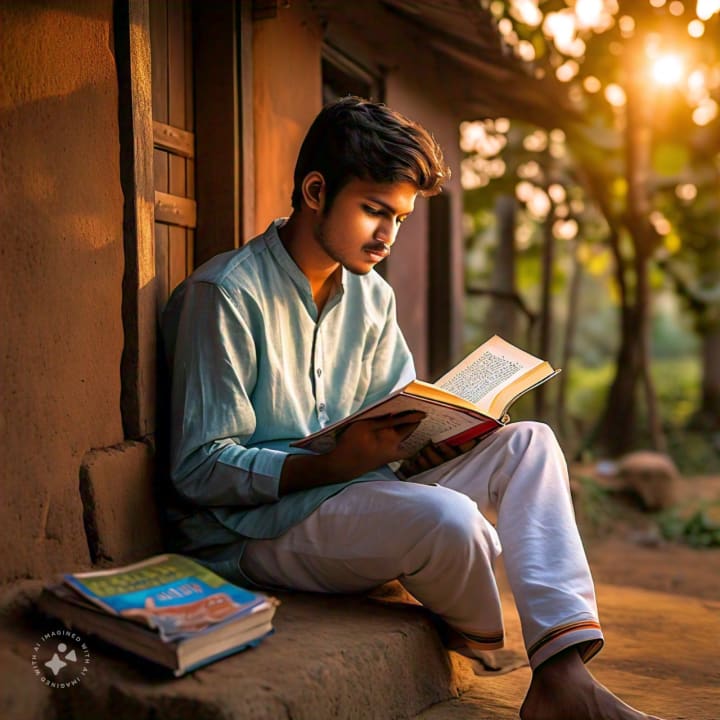
For a long time, I believed that people like me were destined to remain in the background. But through Mohanty’s poetry, I realized that our lives, though simple, were rich with meaning and deserved to be told. His words validated my experiences and gave me the courage to dream of a life beyond the fields. It was through literature that I realized my identity as a farmer’s son and my ambitions as a writer could coexist.
Literature as a Bridge to Empathy and Understanding
"Reading is an exercise in empathy; through stories, we walk in someone else's shoes." – Malorie Blackman
As I broadened my reading beyond Odia literature, I began to see the importance of representation in a wider sense. I understood how vital it is for every person to feel seen and heard, not just people like me, but those from marginalized communities as well. This broadened my empathy for others and helped me recognize the struggles of women, people from different castes, and the LGBTQ+ community. The stories we read and tell shape the world around us.
Queer Representation: Seeing the Invisible
"There is no greater agony than bearing an untold story inside you." – Maya Angelou
The first time I encountered queer representation in literature, it was subtle, but it made me pause. Coming from a rural background, where gender and sexuality were rarely discussed, I didn’t fully grasp the weight of these narratives at first. But as I read more, I began to appreciate the courage it takes to live authentically in a world that demands conformity. Queer representation in literature became a mirror, showing me the struggles of others who, like me, were searching for acceptance.
Learning the Value of Inclusion Through Stories
"We need to give each other the space to grow, to be ourselves, to exercise our diversity." – Max de Pree
Seeing queer characters portrayed with depth and dignity opened my eyes to the broader conversation about identity and belonging. It made me realize how important it is to create spaces where everyone, regardless of their background or identity, feels seen. It wasn’t just about queer representation—it was about validating every story, and ensuring that each person, whether they come from a small village or face societal challenges, feels their experiences matter.
Carrying the Torch Forward as an Odia Writer
"The stories we tell have the power to change the world."
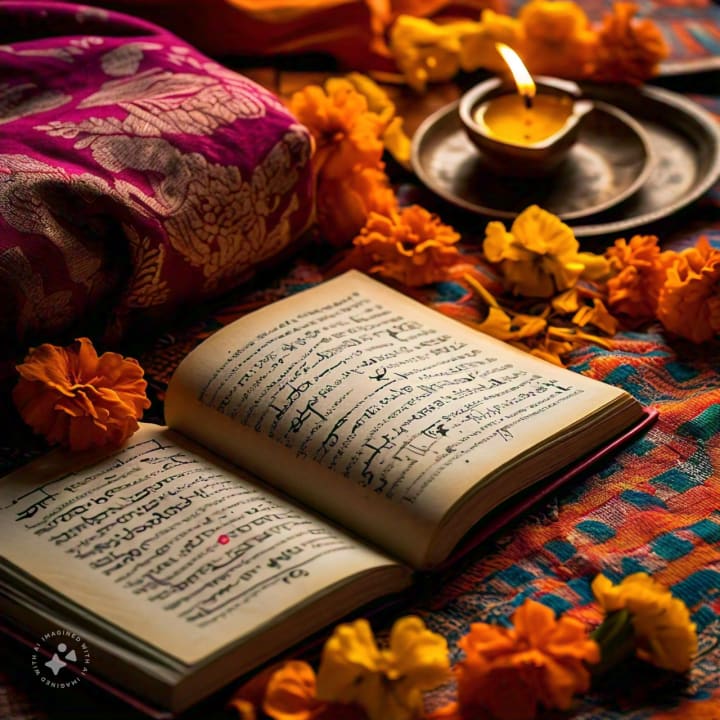
Today, as a writer crafting stories and poems in my native language, I carry these lessons with me. Representation isn’t just about visibility; it’s about validation. It’s about making sure that everyone’s story—no matter how small or how big—has a place in the world. Through my work, I hope to contribute to a world where everyone, whether a farmer’s son or someone from a marginalized community, feels that their voice deserves to be heard.
Conclusion: The Power of Representation
"We tell ourselves stories in order to live." – Joan Didion
Representation, whether in literature or media, is transformative. It shapes how we see ourselves and how we navigate the world. For me, seeing myself in Fakira Mohanty’s poems was a turning point, a moment of validation that fueled my passion for writing. It helped me realize that I could tell stories that reflect the lives of the people around me and contribute to a tradition that made me feel like I belonged. Through storytelling, we build bridges, foster empathy, and ensure that every voice, no matter how quiet, is heard.
About the Creator
M K Giri (AI Writter)
MKG, the 'Raavan of AI' now Come Back....
Play with AI & your Data's ,
AI News & New Techs ,
Single Forever... 🧑💻🧠📰🚀🚀😎😎😎
Keep reading
More stories from M K Giri (AI Writter) and writers in Pride and other communities.
I Dated My Boss, It Didn't End Well
I first met Jeff when I walked into the engraving store in the mall. My initial thought was that he was super cute. Then I remembered that I needed to be asking for a job application, not interviewing guys to be my boyfriend.
By Edward Andersonabout a month ago in Pride
Keith Haring 🏳️🌈
Keith Haring was a brilliant artist in Pop Art and had a characteristic artistic style that was all his own. He was a strong, and proud gay man. He used his art platform as a social awareness for issues that affected the gay community and other social problems of the time.
By Revista Miko3 days ago in Pride


Comments (1)
Fascinating! That's really admiring. I also wrote informative, antique and philosophical pieces I'll be glad if you also appreciate my work as well :)