
In Defense of the “Narcissist”
On the radical act of refusing to be a footnote in your own biography.


We are raised to be “palatable.” From childhood, we’re taught that the highest form of human existence is to be a mirror — smooth, reflective, and entirely dependent on what stands before us. If you are self-effacing, you are “gracious.” If you disappear into the group's needs, you are a “team player.”
But let’s be honest: these aren’t virtues. They are survival tactics for the boring. We call it “politeness” because “the terror of being seen” sounds too pathetic for a resume. We’ve traded our edges for a quiet life, and we wonder why we feel so hollow.
The Pigeon and the Spreadsheet
The world loves to pathologize anyone who refuses to be predictable. If you don’t audit your joy like an accountant, you’re labeled a “narcissist.”
Most people spend their days calculating the ROI of a smile or balancing the ledger of their reputation. It is safe, and it is a slow death.
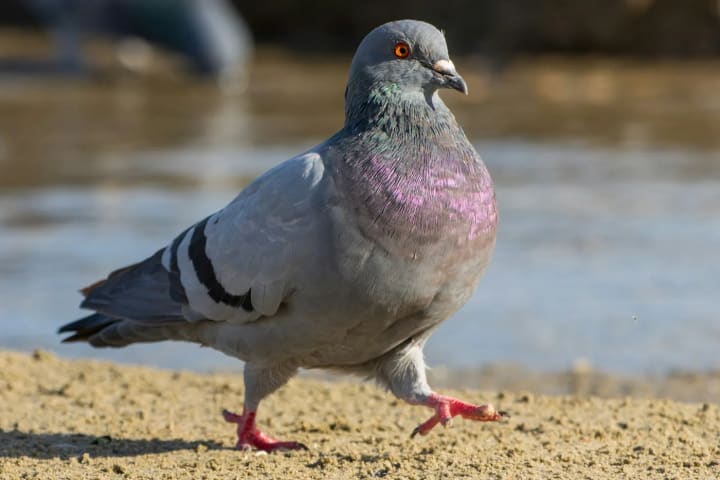
I remember a mid-year review years ago. My manager was speaking in corporate cliches — “alignment,” “bandwidth,” “metrics.” Mid-sentence, I watched a pigeon land on the windowsill. It looked at me with a chaotic, unblinking eye. It didn’t care about my KPIs.
I didn’t argue. I didn’t defend my performance. I simply stood up and said, “The bird has a better point than you do.” I walked out. People called it a breakdown. I called it a debut. It wasn’t about being “difficult”; it was about the sudden realization that my presence in that gray box was an insult to the sheer absurdity of being alive.
The Freedom of Being a Disaster
We think “narcissism” is about being obsessed with perfection. In reality, the most radical thing you can do is to be comfortable with being a disaster.
True power isn’t a flawless PowerPoint; it’s the ability to laugh when the universe decides to humiliate you. We spend so much energy trying to maintain “Main Character Energy” that we forget the best scenes are the ones where the hero trips over their own feet.
Last month, at a formal gala, I was dressed in expensive silk and felt like a minor deity. The room was silent, waiting for my “profound” opening line. Instead, my stomach let out a sound like a wet balloon being strangled. It lasted four seconds.
The “polite” thing would have been to turn red and pretend it didn’t happen. Instead, I leaned into the mic and said, “That was my ego leaving the building. Now that she’s gone, let’s talk for real.”
The room didn’t just laugh; they exhaled. We are all exhausted by the labor of pretending our bodies don’t make noise and our lives aren’t messy. The moment you stop protecting your dignity, you become untouchable.

The Verdict
We use “narcissism” as a weapon to shame anyone who prioritizes their own spark over the demands of the collective. We call it “selfish” to have a boundary. We call it “conceited” to enjoy your own company.
But here is the truth: The traits the world finds “difficult” — the impulsiveness, the refusal to be embarrassed, the pursuit of what feels real — are not character flaws. They are a survival kit.

If taking up space and laughing at your own disasters makes you a narcissist, then buy the crown. The alternative isn’t “goodness” — it’s invisibility. And life is far too short to be a footnote in your own biography.
Stop asking for a permit to exist. The world will forgive you eventually, but you’ll never forgive yourself for staying small.
About the Creator
Cher Che
New media writer with 10 years in advertising, exploring how we see and make sense of the world. What we look at matters, but how we look matters more.
The Pride Flag and the Diversion
For nearly a decade, the LGBTQIA Pride Flag rippled in the wind at Christopher Park, a kaleidoscope of color staked into the soil of America’s first national monument to LGBTQIA+ liberation. That flag came down this week. Federal officials, citing new guidance from the Trump Administration, silently lowered the rainbow flag from its pole across the street from the Stonewall Inn. The birthplace of the modern gay rights movement now flies only the United States flag.
By Tim Carmichael2 days ago in Pride
No H8 Campaign
The NOH8 campaign is an a photography campaign for gay right and marriage equality created decades ago by photographer Adam Bouza to stand against prop 8. I contributed a picture to the cause. It is really simple what you must do in order to be a part of this movement wear a piece of tape over your mouth and put the NOH8 logo on your face or anywhere else on your body. Celebrities and non celebrities have come together to participate in the cause and myself included. Even though it began years ago it is still going strong.
By Revista Miko:XCI by Rikki La Rouge2 days ago in Pride



Comments
There are no comments for this story
Be the first to respond and start the conversation.