
Bar Conversations: What Your Bartender Is (and Isn’t) There For
Reading the room, respecting the craft, and knowing when to chat or chill

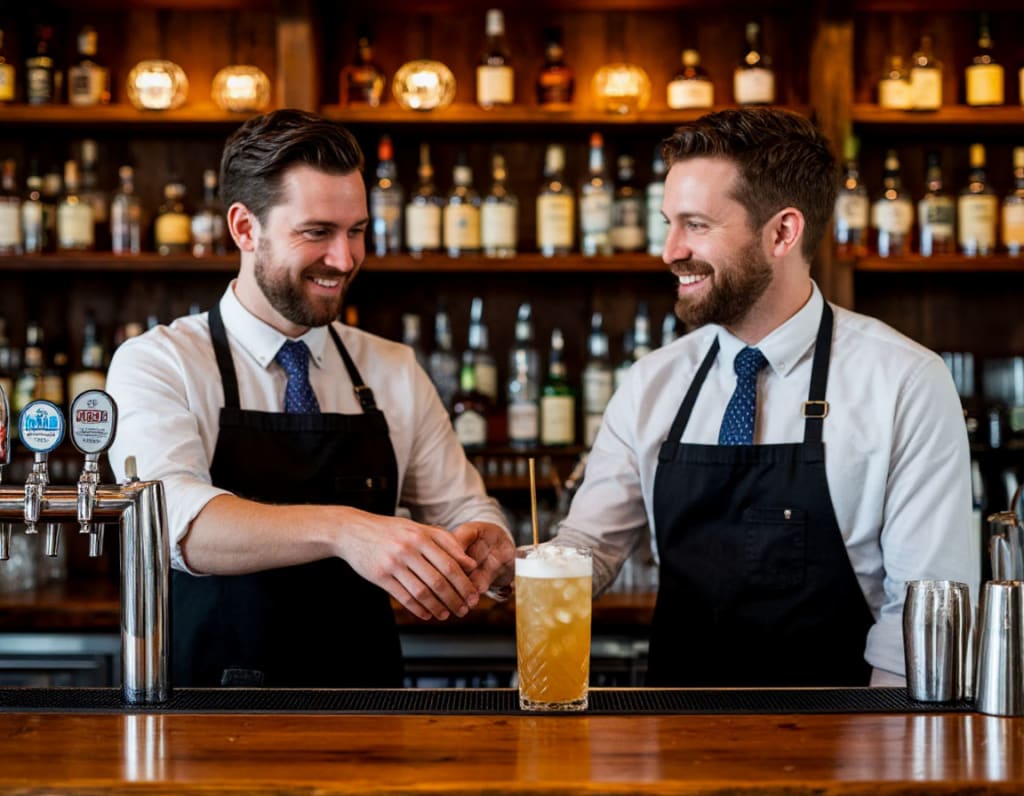
Bars have always been more than just places to drink — they’re social hubs, second living rooms, sometimes even confessionals. And at the center of it all is the bartender: part host, part craftsman, part occasional therapist. But while bartenders are often warm, witty, and open to conversation, it’s important to understand the boundaries of that interaction.
Knowing what your bartender is (and isn’t) there for can elevate your bar experience from casual guest to well-respected regular — and it ensures everyone, staff and patrons alike, can enjoy the space.
Yes: Light Conversation, Genuine Interest, and Respect
Bartenders love guests who are curious, friendly, and present. Asking about a cocktail ingredient, complimenting a drink, or even commenting on the playlist — these are all great ways to strike up natural conversation.
Questions like:
“What’s your favorite drink to make right now?”
“What’s the story behind this cocktail?”
“Any hidden menu favorites I should try?”
…show that you respect their knowledge and craft. Bartenders are proud of their work, and engaging with it — even briefly — builds rapport. And if the bar isn’t slammed, they might just let you in on a house favorite or local tip.
Looking to level up your cocktail knowledge before your next night out? Explore our expert-curated recipes and bartender insights at mycocktailrecipes.com.
No: Oversharing, Flirting, or Demanding Attention
Here’s the truth: your bartender is not your therapist, your date, or your servant. They're professionals working in a high-pressure environment, often multitasking under time constraints. While many are excellent conversationalists, they’re not obligated to engage beyond the scope of hospitality.
Avoid:
Oversharing personal drama unprompted
Flirting or making suggestive comments
Waving, snapping, or yelling for attention
Taking offense if they can’t talk for long
A great rule of thumb? If you wouldn’t act that way in a coffee shop or restaurant, don’t do it at the bar. Respect the vibe, read the room, and if the bartender seems busy or withdrawn, it’s nothing personal — they’re just doing their job.
When to Talk, and When to Sip Quietly
Timing is everything. If the bar is quiet and there’s a natural pause, conversation flows more easily. But if the staff is clearly deep in service — making multiple rounds of drinks, running tabs, cleaning spills — it’s probably not the time to strike up a deep conversation.
Want to chat but not sure if it’s welcome? Keep your opener brief and open-ended. Something like:
“Hey, when you get a second, I’d love to hear more about this drink — no rush.”
This gives them space to respond when and if they can, without pressure.
The Silent Support: Tipping and Kindness
Sometimes the best way to support your bartender is silently — with a good tip, a polite nod, and a “thank you.” Hospitality workers often deal with a mix of personalities all day. A kind, respectful guest who doesn’t demand attention is often their favorite type.
If you’re a regular, these small, consistent acts go further than you think. You’ll soon notice they remember your drink, greet you with a smile, and maybe even offer the occasional insider recommendation.
Final Sip: It’s a Relationship, Not a Transaction
The best bar experiences come from mutual respect. You’re not just buying a drink — you’re entering a shared space with its own flow, energy, and etiquette. A good bartender is more than a server — they’re curators of mood, mediators of the room, and keepers of the night’s rhythm.
Treat them like the pros they are, and you’ll get far more than a good cocktail — you’ll get a space that feels like your own.
And when you’re ready to learn more about what’s in your glass (or what should be), visit mycocktailrecipes for expert tips, recipes, and insights straight from the bar world.
Understanding Emotional Labor Behind the Bar
What many guests don’t realize is that bartending is more than just mixing drinks — it’s a form of emotional labor. Bartenders manage not only orders and speed, but the emotional energy of a space: calming rowdy patrons, gently diffusing tension, and keeping the environment welcoming for everyone. When a guest monopolizes their time or crosses personal boundaries, it disrupts that delicate balance. Recognizing the mental effort involved in creating a comfortable atmosphere shows real respect — and makes you stand out as a thoughtful guest.
Building a Community, One Visit at a Time
When you approach the bar with awareness and appreciation, something bigger starts to unfold — community. Many of the best bars thrive because of the relationships between staff and guests. It’s not about getting special treatment; it’s about creating mutual trust. Over time, you’ll notice familiar faces, inside jokes, and maybe even a drink prepared before you’ve ordered. That’s not just good service — it’s belonging. And it starts with knowing what the bar, and your bartender, are truly there for.
About the Creator
Ava Mitchell
Spirits writer and editor, focusing on cocktail culture and trends.
Keep reading
More stories from Ava Mitchell and writers in Proof and other communities.
Beyond the Menu: How to Order Like a Cocktail Insider
Walking into a bar and scanning the cocktail menu is a familiar ritual. But if you want to go deeper — to taste something truly unique, tailored to your preferences — you’ll need to think beyond the printed page. Ordering like a cocktail insider isn’t about being flashy or pretentious. It’s about understanding the dynamics behind the bar, communicating clearly, and showing curiosity and respect for the craft.
By Ava Mitchell7 months ago in Proof
Don't Forget to Celebrate National Margarita Day
National Margarita Day doesn’t arrive with the gravity of a federal holiday or the chaos of a three-day weekend, but it holds a special kind of power anyway. It’s the rare celebration that asks very little of you—no gifts, no speeches, no complicated traditions. Just a glass, some ice, and permission to pause for a moment and enjoy something bright.
By Lawrence Leasea day ago in Proof



Comments
There are no comments for this story
Be the first to respond and start the conversation.