
Cocktail Concept Rejection: Why Some Ideas Don’t Make the Cut


Every bartender and mixologist has had it happen: a brilliant cocktail concept that sounded amazing in theory but just didn’t work out in practice. Cocktail concept rejection is part of the creative process behind the bar. It’s the art of knowing when an idea, no matter how clever or trendy, needs to be shelved or rethought before it hits the glass.
Why do some cocktail ideas get rejected? Sometimes it’s about flavor balance. A combination might sound intriguing—like mixing smoky mezcal with a bitter herbal liqueur and a splash of citrus—but when tasted, it falls flat or clashes. Other times, it’s about technique or presentation. Maybe the ingredient is too rare or expensive to be practical, or the garnish doesn’t hold up well. Or perhaps the drink just doesn’t fit the vibe of the bar or the clientele.
Understanding rejection can actually sharpen your bartending skills. It forces you to focus on what really works—flavors that sing together, textures that delight, and visual appeal that draws the eye. It also teaches you to be flexible and adapt your ideas. Sometimes a rejected concept can be tweaked into a winner with a little creativity.
Here’s an original cocktail recipe inspired by the idea of balancing bold flavors while keeping things approachable. I call it the “Smoky Orchard”:
**Smoky Orchard**
1) 45 ml mezcal
2) 30 ml apple brandy
3) 15 ml fresh lemon juice
4) 15 ml honey syrup (1:1 honey and water)
5) 10 ml cinnamon syrup
6) 2 dashes Angostura bitters
Shake all ingredients with ice and strain into a chilled coupe glass. Garnish with a thin apple slice and a light dusting of ground cinnamon.
This drink brings smoky, fruity, sweet, and spicy notes together in harmony. It’s a great example of how a concept that might initially seem risky—mezcal and apple brandy together—can become a balanced, drinkable cocktail with the right proportions and supporting ingredients.
But not every idea gets this far. Cocktail concept rejection is a natural checkpoint on the road to creating great drinks. It’s about knowing when to push forward and when to pivot or pause. And when you embrace rejection as part of the process, you open the door to innovation and refinement.
So next time your cocktail concept gets the cold shoulder, don’t take it personally. Think of it as a chance to learn and improve. After all, some of the best cocktails were born from trial, error, and a little bit of rejection.
Cocktail concept rejection might sound like a setback, but it’s actually a vital part of crafting drinks that truly shine. It keeps creativity honest and helps bartenders focus on flavor harmony and practicality, making sure every cocktail served is a hit rather than a miss just like the essential art of balancing bold flavors in mixology culture
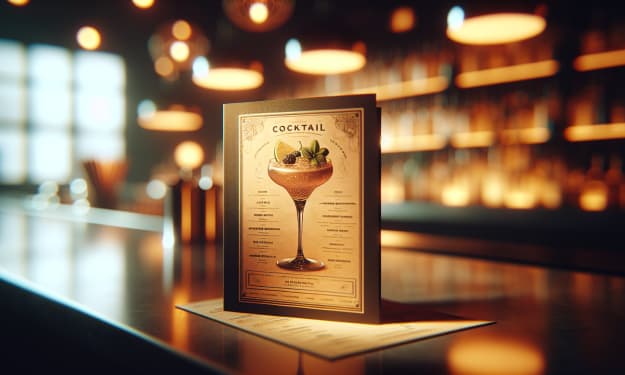
"Walk into any bar, and the menu is your first invitation to a world of flavors, moods, and experiences. But behind those neat columns of drinks lies a subtle craft: menu psychology. This is the art of designing a drink list that not only showcases the cocktails but also nudges you to choose certain drinks, often without you even realizing it.
Why does menu psychology matter in a bar? Because the way drinks are presented can influence your choices, your spending, and your overall satisfaction. A well-crafted menu can highlight signature cocktails, push premium spirits, and create a journey through taste that feels personal and exciting.
Key Elements of Menu Psychology in Bars
1) **Placement and Positioning:** People tend to look at the top right corner first or the center of the menu. Placing high-margin or signature cocktails there can increase their sales.
2) **Descriptive Language:** Using vivid, sensory words like ""velvety,"" ""zesty,"" or ""smoky"" can make a drink sound irresistible.
3) **Price Formatting:** Avoiding currency symbols or using subtle pricing can reduce sticker shock and encourage ordering pricier drinks.
4) **Limited Choices:** Too many options can overwhelm. A curated list with clear categories helps guests decide faster and more confidently.
5) **Visual Hierarchy:** Bold fonts, boxes, or icons can guide the eye and highlight special items.
Crafting Your Own Menu Strategy
Imagine you want to promote a new cocktail that's vibrant and refreshing. Name it something catchy, describe the ingredients with flair, and place it prominently. Pair it with a modest price that feels like a treat but not an indulgence.
Here’s an original cocktail recipe that fits a lively summer menu, designed to stand out and delight:
#### The Citrus Breeze
1) 45 ml Gin (preferably a botanical-forward style)
2) 30 ml Fresh grapefruit juice
3) 15 ml Lemon juice
4) 15 ml Honey syrup (1:1 honey and water)
5) 60 ml Soda water
6) Grapefruit twist for garnish
**Preparation:**
Shake the gin, grapefruit juice, lemon juice, and honey syrup with ice until well chilled. Strain into a tall glass filled with ice, top with soda water, and gently stir. Garnish with a twist of grapefruit peel for that aromatic pop.
The Citrus Breeze is a perfect example of how a menu can spotlight a cocktail that feels fresh and approachable, yet sophisticated. Its description might read: ""A zesty harmony of botanical gin and bright citrus, sweetened with honey and fizzed to perfection.""
About the Creator
Ava Mitchell
Spirits writer and editor, focusing on cocktail culture and trends.
Keep reading
More stories from Ava Mitchell and writers in Proof and other communities.
Mindful Cocktails: Sip with Intention and Flavor
In a world that moves fast, mindful cocktails invite us to slow down and truly savor every sip. These drinks aren’t just about alcohol; they’re about the experience, the balance, and the connection to what’s in your glass. Mindful cocktails celebrate fresh, quality ingredients and thoughtful preparation, helping you enjoy your drink with awareness and gratitude.
By Ava Mitchell2 months ago in Proof
Cultivating Stress-Free Productivity: Finding Calm in Your Busy Day
In today’s fast-paced world, productivity often feels like a race against time. Yet, rushing through tasks can increase stress and reduce effectiveness. Stress-free productivity invites us to slow down and work with calm focus. It’s about balancing action with mindfulness, so your energy flows smoothly and your mind stays clear.
By Black Mark6 days ago in Proof
The Tactile Cocktail Experience: Engage Your Senses Like Never Before
When you think of cocktails, you probably imagine the taste and aroma. But what if your fingertips could join the party? The tactile cocktail experience is all about engaging your sense of touch alongside flavor and smell. It’s a fresh way to enjoy drinks, turning every sip into a full sensory adventure.
By Ethan Chen6 days ago in Proof
A Letter to the Firestarter
Dear Firestarter, We can all see you, we've been watching you since you began. In case you didn't know we were here before you and we will be here after. We witnessed your rise, your setbacks, your guilt and your lies. We witnessed you start the fire.
By Donny Foley5 days ago in Poets



Comments
There are no comments for this story
Be the first to respond and start the conversation.