
Exploring the Molecular Cocktail Trend: Science Meets Mixology

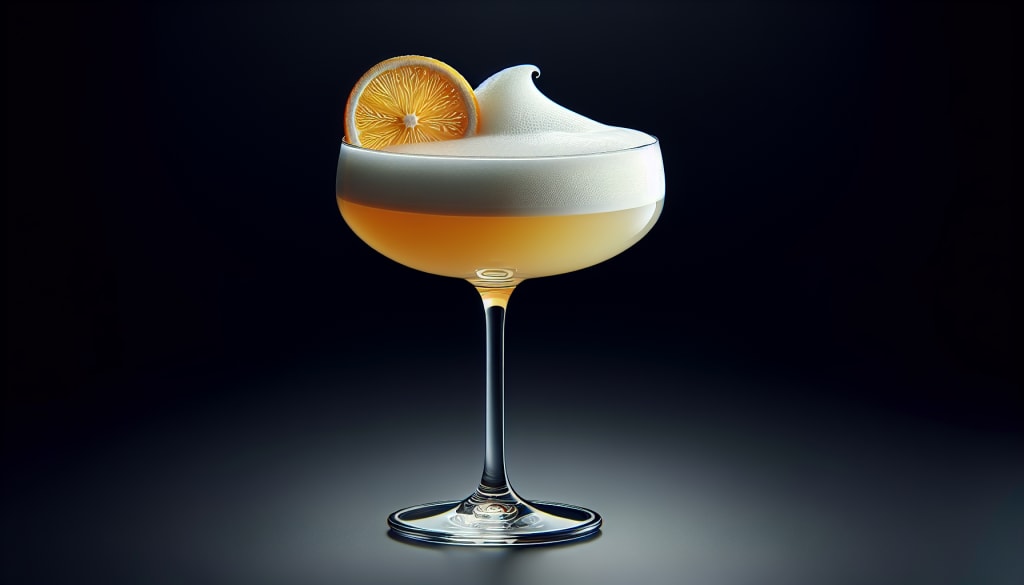
Molecular mixology is shaking up the cocktail world by blending science and artistry into every sip. This trend takes classic bartending to a whole new level, using techniques borrowed from molecular gastronomy to transform textures, flavors, and presentations. Imagine cocktails that foam, gel, or even burst with flavor like tiny edible fireworks on your tongue. It’s not just about taste; it’s about creating an immersive experience that surprises and delights.
At its core, molecular cocktail crafting uses tools like syringes, siphons, and specialized powders such as agar-agar, xanthan gum, and lecithin to manipulate liquid properties. Bartenders might create spheres that encapsulate spirits, turning a shot into a bite-sized burst. Or they may whip up foams infused with bitters to float atop a drink, adding aroma and texture. This playful approach invites experimentation and elevates the bar scene into a stage of sensory exploration.
One standout example of molecular mixology in action is the “Smoky Citrus Sphere.” This cocktail captures the essence of a classic whiskey sour but presents it as a delicate, bursting orb that releases smoky citrus notes upon biting. Here’s how to craft this show-stopping drink:
**Smoky Citrus Sphere**
1) Bourbon whiskey: 50 ml
2) Fresh lemon juice: 25 ml
3) Simple syrup: 20 ml
4) Liquid smoke: 2 ml
5) Sodium alginate: 2 g (for spherification)
6) Calcium lactate: 5 g (for setting bath)
7) Water: 500 ml (for setting bath)
**Instructions:**
1) Mix bourbon, lemon juice, simple syrup, and liquid smoke in a bowl.
2) Stir in sodium alginate thoroughly until dissolved; let sit for 15 minutes to remove air bubbles.
3) Prepare a calcium lactate bath by dissolving calcium lactate in water.
4) Using a syringe, drop the cocktail mixture into the calcium bath to form spheres. Let them set for 2 minutes.
5) Carefully remove spheres with a slotted spoon and rinse in clean water.
6) Serve immediately in a small glass or on a spoon for a striking presentation.
This cocktail dazzles guests with its playful texture and smoky brightness, making each sip an adventure. Molecular mixology isn’t just about gimmicks — it’s a way to reimagine flavors and engage senses beyond taste alone.
The molecular cocktail trend also encourages bartenders to rethink ingredients. Herbal infusions can be turned into powders, citrus juices can become gels, and spirits can be aerated to create light, frothy textures. This approach opens endless possibilities, limited only by imagination and technique.
Whether at a trendy bar or hosting an at-home mixology night, molecular cocktails add flair and fun. They invite curiosity, spark conversations, and showcase the bartender’s skill in blending science with creativity. As this trend grows, expect more unexpected twists in the drinks you love, served with a side of theatrical flair.
So next time you order a cocktail, don’t be surprised if it comes with a bit of smoke, foam, or a burst of flavor that looks like it belongs in a lab rather than a bar. Molecular mixology is here to shake things up in the most delicious ways.
The molecular cocktail trend is more than just a fad; it’s a fusion of art and science that transforms drinking into a multisensory experience, and it remains a timeless crowd-pleaser like the Aviation cocktail recipe guide
"Techniques Behind Molecular Cocktails
Spherification
This method involves creating gel-like spheres that encase liquid, giving the sensation of popping a burst of flavor in your mouth. It’s achieved by dropping a flavored liquid mixed with sodium alginate into a calcium bath, forming a thin gel membrane.
Foams and Espumas
Using lecithin or other emulsifiers, bartenders create airy foams that sit atop cocktails. These foams add aromatic layers and a creamy texture without altering the drink’s base flavor.
Gels and Jellies
Cocktails can be transformed into edible gels or jellies using gelling agents like agar-agar. This technique allows for creative presentations, such as cocktail cubes or layered gel shots.
Infusions and Powders
Herbs, spices, and fruits can be dehydrated and powdered to add intense flavor bursts or unique textures. Infusing spirits with unexpected ingredients also expands the flavor palette.
Molecular Mixology at Home
You don’t need a full lab to try molecular cocktails. Basic ingredients like gelatin, agar, or lecithin are often available at grocery stores or online. Start simple by making a citrus foam or experimenting with gelled cubes of your favorite drink. With a bit of practice, you can impress friends with cocktails that look and taste extraordinary.
The Future of Cocktail Crafting
As technology advances, molecular mixology will continue evolving. Expect more sophisticated tools and ingredients becoming accessible to home bartenders. Virtual reality and sensory enhancements may also play a role, creating immersive drinking experiences that blend taste, sight, and sound.
In the meantime, the molecular cocktail trend invites everyone to explore the boundaries of flavor and fun. It’s a celebration of creativity, science, and the joy of a well-crafted drink served with a twist.
Raise your glass to the future — where every cocktail is a little science experiment and a lot of fun.
About the Creator
Ava Mitchell
Spirits writer and editor, focusing on cocktail culture and trends.
Keep reading
More stories from Ava Mitchell and writers in Proof and other communities.
The Most Overrated Bar Tools You Don’t Really Need
Every home bartender dreams of a fully stocked bar with all the shiny gadgets. But not all bar tools are created equal. Some are overhyped, taking up space and confusing beginners more than helping them. Let’s cut through the clutter and spotlight the overrated bar tools that might be better left on the shelf.
By Ava Mitchell3 months ago in Proof
Cultivating Presence and Awareness: A Gentle Guide to Mindful Living
Presence and awareness are the cornerstones of a mindful life. When you cultivate these qualities, you invite yourself to fully experience each moment without judgment or distraction. This practice can calm the mind, soothe the body, and open the heart to simple joys that often go unnoticed.
By Victoria Marsea day ago in Proof
Cultivating Stress-Free Productivity: Finding Calm in Your Busy Day
In today’s fast-paced world, productivity often feels like a race against time. Yet, rushing through tasks can increase stress and reduce effectiveness. Stress-free productivity invites us to slow down and work with calm focus. It’s about balancing action with mindfulness, so your energy flows smoothly and your mind stays clear.
By Black Mark5 days ago in Proof
Instructions Included Challenge Winners
For the Instructions Included challenge, we asked writers to tell a story through instructions and to trust the form to carry what could not be said outright. Across the top entries, that trust paid off in many different ways.
By Vocal Curation Team6 days ago in Resources




Comments
There are no comments for this story
Be the first to respond and start the conversation.