

I. Introduction
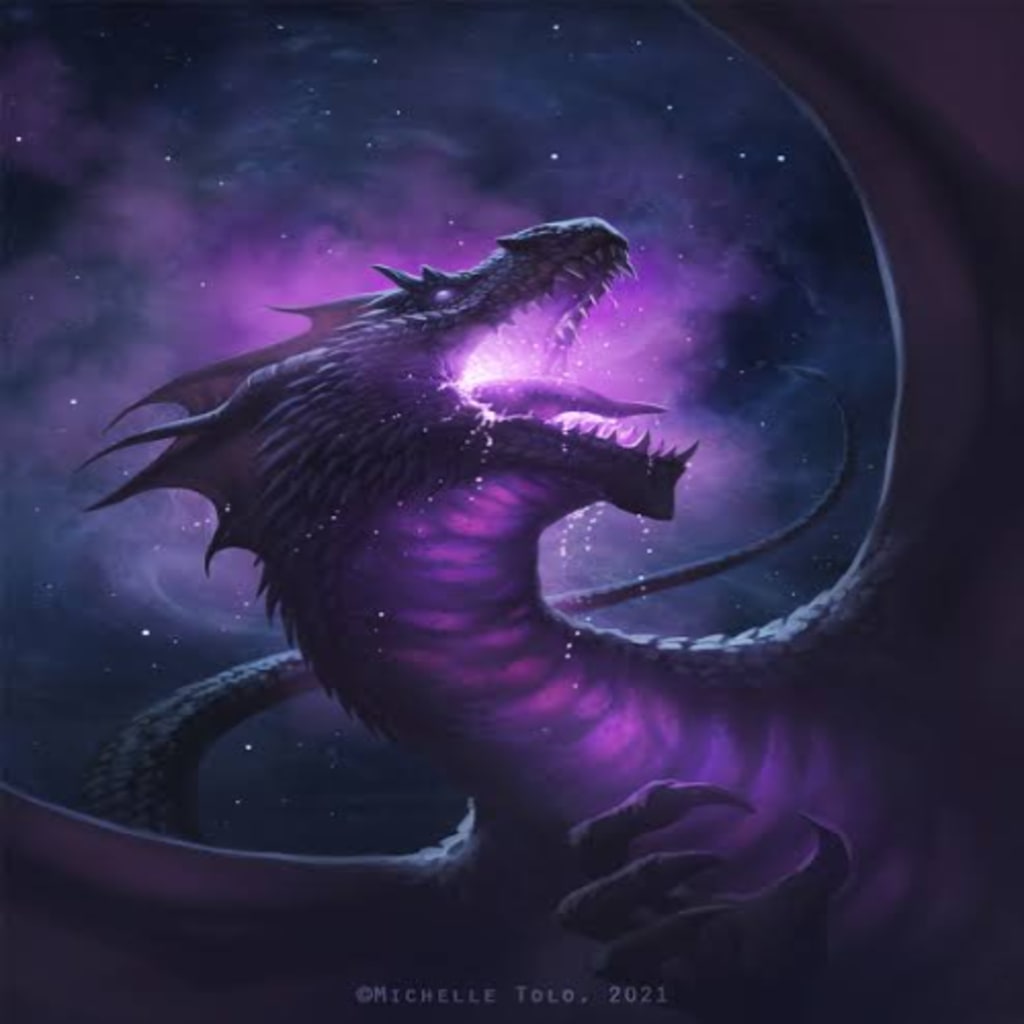
Definition of dragon: A dragon is a mythical creature typically depicted as a large, scaly, and winged reptile with sharp teeth and claws. In many cultures, dragons are seen as powerful and fearsome creatures, often associated with fire or other natural elements.
Cultural origins and significance of dragons in mythology and folklore: Dragons have been a part of human culture for thousands of years, appearing in the myths and legends of many different cultures around the world. In ancient cultures such as China and Europe, dragons were often seen as powerful and fearsome creatures that could breathe fire and had immense strength. They were often associated with the elements, such as fire or water, and were seen as symbols of power and destruction. In other cultures, such as Japan, dragons were seen as benevolent beings, associated with good luck and prosperity.
II. Physical Characteristics
Description of dragon's typical appearance and size: Dragons are typically depicted as large, scaly creatures with wings, sharp teeth, and claws. They are often portrayed as having a long, serpentine body with four legs and a tail. Some dragons are depicted with two legs and some with no legs. They can vary in size from small enough to be held in a person's hand to large enough to fill a castle.
Variations in appearance across different cultures: The appearance of dragons can vary greatly across different cultures. In Chinese culture, dragons are often depicted as long, serpentine creatures with four legs and a pear-shaped head. European dragons, on the other hand, are often depicted as more lizard-like creatures with wings and a long, pointed tail. In Japanese culture, dragons are often portrayed as more serpentine creatures with multiple heads.
III. Behaviour and abilities
Dragon's typical behaviour and habits: In mythology and folklore, dragons are often portrayed as fierce and powerful creatures that are difficult to defeat. They are often associated with hoarding treasure and guarding it fiercely. They can also be seen as symbols of power and destruction, causing natural disasters and spreading chaos.
Abilities such as breathing fire, flight, and immense strength: Many dragons are portrayed as having the ability to breathe fire or other elemental powers such as ice or electric. They are also often depicted as having immense strength, able to carry heavy loads and overpower their opponents. Flight is also a common ability among dragons, being able to fly using their wings.
IV. Role in mythology and folklore
Significance of dragons in different cultures and myths: In many cultures, dragons are seen as powerful and fearsome creatures that must be defeated in order to bring peace and prosperity. They often symbolize the struggles and challenges that people must overcome in order to achieve success. In other cultures, dragons are seen as benevolent beings that bring good luck and prosperity.
Depiction of dragons as powerful and fearsome creatures: Dragons are often portrayed as powerful and fearsome creatures that are difficult to defeat. They are associated with hoarding treasure and guarding it fiercely. They can also be seen as symbols of power and destruction, causing natural disasters and spreading chaos.
V. Modern representation
Dragons in literature, film, and other forms of media: Dragons have been a popular subject in literature, film, and other forms of media for many years. They have appeared in numerous fantasy novels, films, and video games, often as powerful and fearsome creatures that must be defeated by the protagonist.
Continued popularity of dragons in popular culture: Dragons continue to be popular in popular culture, appearing in films, TV shows, video games, and other forms of media. They are often portrayed as powerful and fearsome creatures that must be defeated by the protagonist, but also as wise and powerful
About the Creator
Keep reading
More stories from Giridharan and writers in Proof and other communities.
Healing Your Inner Child: A Gentle Path to Wholeness
Healing your inner child is a tender journey toward self-discovery and peace. The inner child represents the part of you that holds memories, feelings, and experiences from childhood. Often, this part carries wounds or unmet needs that influence your adult life. When you gently connect with and nurture your inner child, you begin to heal those old hurts and bring more joy and freedom into your life.
By Jonse Gradeabout 19 hours ago in Proof
Game Night Drinks: Party Cocktails and Fun Recipes for Social Drinks
Game nights are all about laughter, competition, and good company. What better way to elevate the fun than with some tasty, easy-to-make cocktails that keep the vibe lively? Whether you're hosting a casual gathering or a full-on party, having a lineup of social drinks ready can make all the difference. Let’s dive into some fun recipes that are crowd-pleasers and perfect for sharing.
By Anna Walkerabout 18 hours ago in Proof


Comments
There are no comments for this story
Be the first to respond and start the conversation.