
Are Humans Born Good or Evil? The Science of Human Nature
An unseen battle shapes every human being. Discover the psychology behind our inner conflict, the truth about our dark side, and how we can overcome it.

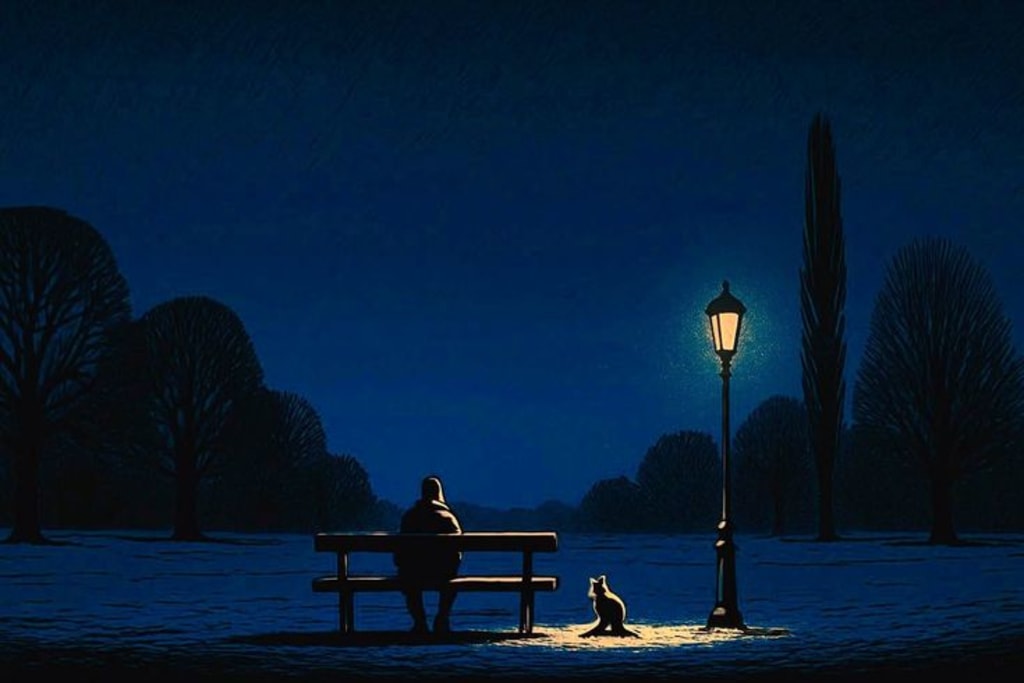
Good and evil in human nature have fascinated philosophers, psychologists, and storytellers for centuries. Yet the most intense battlefield is not found in history books—it exists quietly within each of us. Deep inside the human soul lives a constant inner conflict: a tension between selfish impulses and moral responsibility, between ego and conscience. Evil rarely announces itself loudly. Instead, it whispers subtle justifications: “You deserve this.” or “No one will know.” These moments define us more than grand public decisions ever could.
The paradox is that we often see the dark side in others more easily than in ourselves. We notice a colleague's envy, a friend's selfish act, or a stranger's cruelty—but rarely pause to consider the shadows within. The challenge lies in turning that gaze inward, confronting what we usually hide from our own sight. This internal confrontation is uncomfortable, sometimes painful, but it is the doorway to true self-awareness.

Consider Adam—let’s call him that. He once faced a moral struggle at work when he had the opportunity to take credit for a colleague’s idea. It seemed small, almost harmless. After all, he had contributed to the project. But deep down, he knew the truth. That night, the weight of his decision pressed heavily on him. The real fear wasn’t exposure; it was self-betrayal. This is how the dark side operates—not through dramatic evil, but through small compromises that slowly reshape our character.
At home, Adam replayed the incident repeatedly. He noticed how easily the mind justifies choices, rationalizes wrongdoing, or minimizes harm. Each rationalization felt like a slippery slope, a subtle erosion of integrity. He realized that small acts of dishonesty, left unchecked, grow into habits that can silently dominate a life. Recognizing this was terrifying, but also liberating: awareness meant that he had a chance to intervene before the dark side claimed more of him.

The psychology of good and evil suggests that every human carries both potentialities. We are wired for survival, ambition, and desire—but also for empathy, integrity, and compassion. The turning point comes with awareness. Adam paused and confronted his reflection—not in a mirror, but in his own thoughts. Instead of defending his action, he acknowledged his weakness. In a quiet moment, he turned his heart toward God, not asking for escape from consequences, but for strength to choose what is right. That shift—from denial to responsibility—marked the beginning of his transformation.
Beyond individual acts, the inner struggle often mirrors life itself. Every choice, however trivial, carries echoes of our values. Will we speak truth or remain silent? Will we act selfishly or extend kindness? The answers define not only our character but the way we perceive the world. Recognizing the duality within us allows us to approach others with more compassion, knowing that they, too, wrestle with similar shadows.

The next day, Adam corrected his mistake. He publicly acknowledged his colleague’s contribution. The outcome surprised him. Rather than losing respect, he gained trust. More importantly, he regained something internal: peace. Overcoming evil within does not mean erasing darkness entirely. It means recognizing it, managing it, and refusing to let it lead. True self-improvement begins with honest self-confrontation.
Human nature is not purely good or purely evil—it is a dynamic balance. The presence of darkness does not make us doomed; it makes us human. Every day presents new moral choices, new opportunities to either feed the shadow or strengthen the light. In the end, the victory over our dark side is not about perfection. It is about conscious decisions, accountability, and seeking higher guidance when we feel weak.
From darkness to light, the journey is always inward first. And when we dare to face our inner conflict, we discover something powerful: the capacity for goodness was there all along, waiting for us to choose it. Each small act of courage, each choice to act rightly, shapes the person we become—and slowly turns our internal battlefield into a place of peace.

About the Creator
Keep reading
More stories from writers in Psyche and other communities.


Comments
There are no comments for this story
Be the first to respond and start the conversation.