
How to Choose the Perfect Mental Health Professional
Finding the right therapist can feel scary. Learn how to choose someone who makes you feel safe, seen, and heard. You deserve support that fits you.

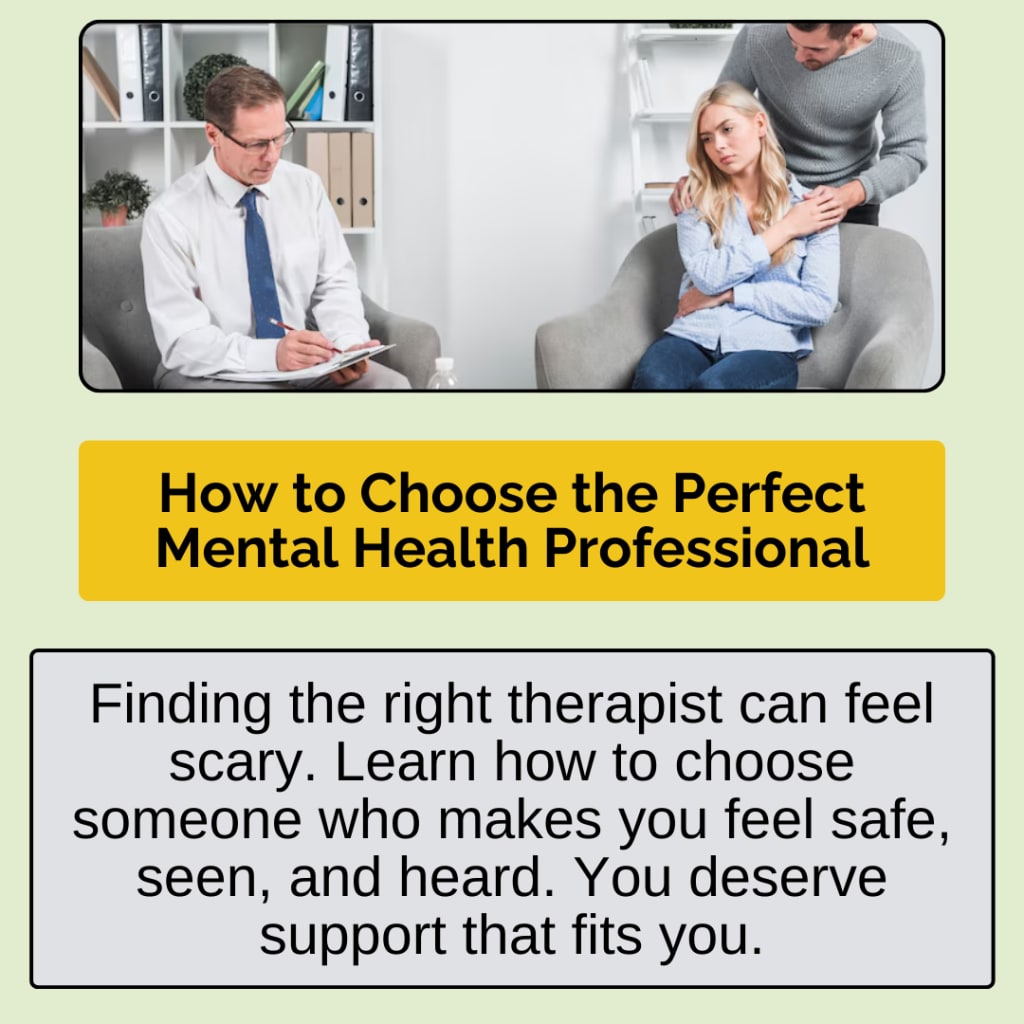
Finding the right mental health professional can feel a little scary at first, but you are not alone. We all go through hard times, and getting help is a brave and healthy choice.
The good news? There is someone out there who really gets you and would love nothing more than to help you feel better. But how do you find the right person for you? Everyone is different, and the way we heal is personal.
It does not matter if you are feeling anxious, sad, overwhelmed, or just need someone to talk to; choosing the right therapist, counselor, or psychologist makes a big impact. In this guide, we will skim through some simple tips to help you find a caring, supportive professional who fits your needs and helps you feel safe, seen, and heard. If you have been waiting for a mental health support sign—this might just be it.
Understand Your Needs
Every person seeking therapy has unique goals and challenges. One of the most important steps in finding the best mental health support is understanding what you need. Are you looking to manage stress, improve communication with a partner, or work on healing from past trauma? By getting clear about your personal goals, you can narrow down the many options and focus on finding therapists in Los Gatos or the Bay Area that specialize in helping with your specific concerns.
Identify Your Goals for Therapy
It is helpful to define why you are seeking therapy. Are you struggling with symptoms like anxiety or depression that honestly make everyday life feel pretty taxing? Feeling up against trauma, grief, or some big life changes right now? Some people are dealing with family conflicts or parenting challenges. Others look for support when they feel overwhelmed by professional pressures or explore self-esteem issues.
Your therapist should have expertise in the areas that matter most to you. For example, if you are struggling with trauma or post-traumatic stress, you might look for someone trained in trauma-focused therapy or EMDR. For relationship challenges, couples therapy in the Bay Area may be the right route. Thinking really carefully about why you are seeing a therapist really sets you firmly ahead of the game and allows you to start your search with clarity and high priority.
Deciding Between Individual and Couples Therapy
Your choice may also depend on whether you need therapy for yourself or as part of a relationship. Individual therapy is all about your own personal growth in terms of mental health and emotional development. Couples therapy, on the other hand, helps partners address conflict, improve communication, and strengthen their bond.
Types of Therapists and Their Specializations
Not all therapists are the same. The mental health field includes a variety of professionals, each trained in different areas of care. Understanding the distinctions between psychologists, psychiatrists, and counselors can help you make an informed choice.
Psychologists, Psychiatrists, and Counselors
A psychologist typically holds a doctoral degree in psychology and is highly trained in assessing, diagnosing, and treating mental health conditions. They help clients talk through their feelings and develop healthier ways of dealing with stress. They really focus on guiding people to positive, bright futures and character changes.
Psychiatrists are medical doctors who specialize in diagnosing and treating mental disorders. They can prescribe medicine, which is particularly important for people managing certain conditions like bipolar disorder, ADHD, or severe depression.
Counselors and therapists usually have master's degrees and specialize in helping people through all sorts of life challenges. Many offer help that ranges from dealing with loss and grief to supporting partner relationships and even managing stress. Understanding these differences sharpens your sights on which kind of professional would best serve you.
Specialized Approaches to Therapy
Specific kinds of therapy have a huge impact on how things go for you. For instance, Cognitive Behavioral Therapy or CBT, works wonders for dealing with anxiety and depression. It helps identify and change negative thought patterns that affect behavior. Eye Movement Desensitization and Reprocessing (EMDR) really works wonders for healing from trauma.
The Gottman Method or Emotionally Focused Therapy might be ideal for couples therapy, as these focus heavily on improving communication and fostering connection. When exploring options like the best therapists in San Francisco or Los Gatos, consider what methods they specialize in and whether those approaches align with your goals.
Key Factors to Consider When Choosing a Therapist
Once you know what you need and what you really like, you need to think practically. You will want to look into lots of different factors, like where they work, how much they charge, and even the vibe and style of treatment that a therapist brings to the conversation.
Location and Accessibility
Do you prefer to meet in person or attend online sessions? For some, visiting a local therapist is preferable—it can feel more personal and comforting. Others love the flexibility that online therapy provides. Think about what setup works best with your schedule and lifestyle.
And just think about how easy it is to get to your appointments, too. If you find going to therapy sessions inconvenient, you might become less committed to sticking with therapy in the long run.
Experience and Approach
A therapist's experience matters. If you are dealing with a specific issue, such as parenting challenges or addiction, seek out someone who has helped many people with similar concerns.
Ask about their treatment style. Are they more directive, offering advice and strategies? Or are they more client-led, allowing you to set the tone for the sessions? Different people respond differently to different approaches, so finding the right therapist is about thinking about what kind of help works best for you.
Trusting the Process and Making a Decision
Finding the right therapist is always a bit of a long hunt. It is normal to feel unsure at first, but trust that taking small steps will help you find the right match.
Trial Sessions: What to Expect
Many therapists offer an initial consultation, either free or at a reduced cost. This is a chance to ask questions, explain what you are looking for, and see if you feel comfortable with the therapist. Pay attention to how they listen and respond to you. A good therapist makes you feel like they are listening and getting you, not just treating you.
Building Comfort and Trust
Over time, you should feel a sense of trust developing with your therapist. While therapy can be challenging, it should not feel like a struggle to connect. If you sense that the therapist is judgmental or dismissive, it may be time to consider other options.
Remember, therapy works best when there is mutual respect and understanding. The right therapist will make you feel supported as you work together toward your goals.
The Bottom Line
Remember, finding the right professional is possible with clear steps and honest reflection. Think about your needs and research options, and trust your instincts. Once you start this journey, you will be taking an important step toward better mental health and deeper emotional well-being. Do not hesitate—your well-being is worth the effort.
About the Creator
Mind-Body Care
Mind Body Care is your trusted partner in mental wellness. Embark on your journey to a healthier and happier life with our best therapist in the Bay Area. We provide personalized counseling services, helping you navigate life's challenges.
Keep reading
More stories from Mind-Body Care and writers in Psyche and other communities.
How Can ADHD Testing Help You? Exploring the Benefits and Process
Understanding why you think, feel, and act a certain way can bring deep relief. Many people go through life feeling distracted, restless, or unable to focus, without knowing why. Parents may wonder why their child cannot sit still or pay attention at school. Adults often ask themselves why staying on task or meeting deadlines seems so hard. Attention-Deficit/Hyperactivity Disorder, or ADHD, affects children, teens, and adults, yet many still go undiagnosed. With more people wanting answers, ADHD testing has become even more important.
By Mind-Body Care9 months ago in Psyche
...And I'm Back!
I missed this. I missed this site and this community and I really, really missed writing. My last post was 2 years ago. A lot has happened since then, personally and globally. I’m not an expert on the latter, but I can share with you parts of my story since I was last here.
By Tasha McIntosh3 days ago in Psyche



Comments
There are no comments for this story
Be the first to respond and start the conversation.