
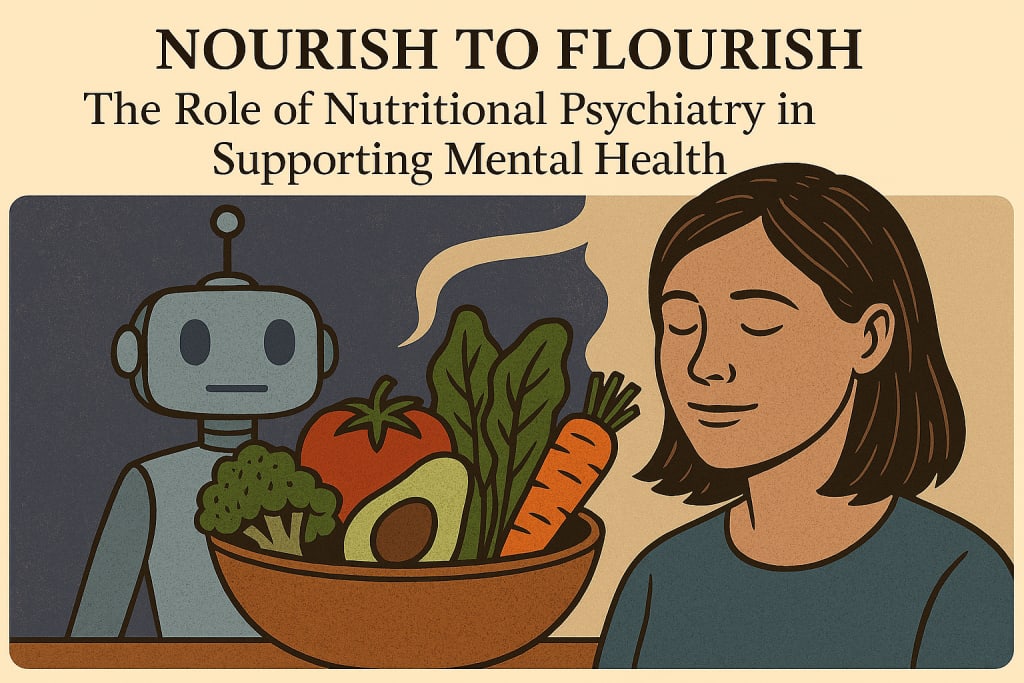
Nourish to Flourish: The Role of Nutritional Psychiatry in Supporting Mental Health
Understanding how diet and mental well-being intertwine—and why it matters for psychiatric care.

Mental health is deeply connected to how we eat, sleep, and live our daily lives. In recent years, a growing field known as nutritional psychiatry has been gaining attention for its potential to improve conditions like anxiety, depression, ADHD, and even schizophrenia. At a time when mental health clinics are expanding their services to include holistic care, understanding the link between food and mood is more important than ever.
What Is Nutritional Psychiatry?
Nutritional psychiatry is an emerging branch of mental health care that focuses on the connection between diet and brain function. Research has shown that certain foods can influence neurotransmitters, inflammation, and gut health—three key areas that directly affect mood and cognition.
Instead of viewing diet as just a lifestyle choice, nutritional psychiatry positions it as an essential tool in managing conditions such as:
- Depression and anxiety
- Attention-deficit hyperactivity disorder (ADHD)
- Bipolar disorder
- Post-traumatic stress disorder (PTSD)
- Schizophrenia
This doesn’t mean diet replaces therapy or medication—it means diet complements them, creating a stronger, more comprehensive treatment plan.
The Gut-Brain Connection
One of the most fascinating aspects of nutritional psychiatry is the gut-brain axis. The gut has often been referred to as the “second brain” because it produces neurotransmitters like serotonin, which regulate mood.
- A diet rich in fiber, probiotics, and prebiotics supports a healthy gut microbiome.
- Processed foods, sugar, and unhealthy fats can increase inflammation, which is linked to depressive and anxious symptoms.
- Omega-3 fatty acids (found in fish, flaxseeds, and walnuts) play a role in reducing anxiety and improving cognitive health.
This connection suggests that what we eat every day could significantly shape how we feel mentally.
Trending Foods That Support Mental Health
In 2025, the conversation around mental health is shifting toward prevention and holistic wellness. Some nutrient-dense foods are now being highlighted as “brain foods” in both clinical studies and wellness communities:
- Leafy greens – spinach, kale, and Swiss chard are packed with folate, which helps regulate mood.
- Fatty fish – salmon, mackerel, and sardines contain omega-3s for brain health.
- Fermented foods – yogurt, kefir, kimchi, and sauerkraut promote healthy gut bacteria.
- Berries – high in antioxidants that reduce inflammation and stress.
- Nuts and seeds – sources of magnesium, which may ease anxiety symptoms.
Integrating these foods into your diet doesn’t just support physical health—it helps build emotional resilience, too.
Why Mental Health Clinics Are Paying Attention
Mental health clinics across the U.S. are beginning to integrate nutritional counseling alongside traditional psychiatry. By combining medication management, therapy, and nutritional support, clinics are offering patients a well-rounded approach that addresses both the mind and body.
For example, a patient receiving treatment for depression may benefit from antidepressant therapy but could see even greater improvements when paired with a Mediterranean-style diet that’s rich in whole grains, vegetables, and healthy fats.
This shift shows how the future of psychiatry is evolving—embracing the mind-body connection to achieve better outcomes.
How You Can Apply Nutritional Psychiatry in Daily Life
You don’t need to be in a clinic to start applying these principles. Here are some easy ways to get started:
- Replace processed snacks with nuts, seeds, or fresh fruit.
- Incorporate fatty fish into your meals at least twice a week.
- Add fermented foods like kimchi or yogurt to your diet.
- Drink enough water and limit sugary drinks.
- Focus on whole, unprocessed meals whenever possible.
Making these small, consistent choices can create a noticeable difference in mood and energy levels over time.
Final Thoughts
The rise of nutritional psychiatry is a reminder that mental health is not just about therapy and medication—it’s also about the way we nourish our bodies. While no single food is a cure for depression or anxiety, building a diet that supports brain health can complement professional psychiatric care.
As we look ahead, mental health clinics and individuals alike will continue exploring how diet shapes mood, cognition, and resilience. By embracing this holistic approach, we can truly begin to nourish to flourish—supporting both the body and the mind.
About the Creator
JP Psychiatry
JP Psychiatry provides expert psychiatric care for children (6+) and adults in Chicago, the Chicagoland area and the state of Illinois. We offer personalized psychiatry, medication management, and telepsychiatry services.
Keep reading
More stories from JP Psychiatry and writers in Psyche and other communities.
AI Psychosis: How Excessive Chatbot Use May Impact Mental Health
Artificial Intelligence (AI) is rapidly transforming the way we live, work, and connect. From healthcare to education, AI-driven tools promise convenience and efficiency. But with the growing use of chatbots and virtual companions, a new concern has emerged — AI Psychosis, a trending mental health issue that highlights the psychological risks of excessive reliance on AI interactions. As conversations with chatbots become more immersive, experts warn of possible consequences for our emotional well-being.
By JP Psychiatry6 months ago in Psyche



Comments
There are no comments for this story
Be the first to respond and start the conversation.