
Pancreatic Cancer Cure: Truth, Hope, and Hard Questions
When people search for a pancreatic cancer cure, they are rarely just browsing. They are often scared, awake late at night, reading quietly while the house sleeps.

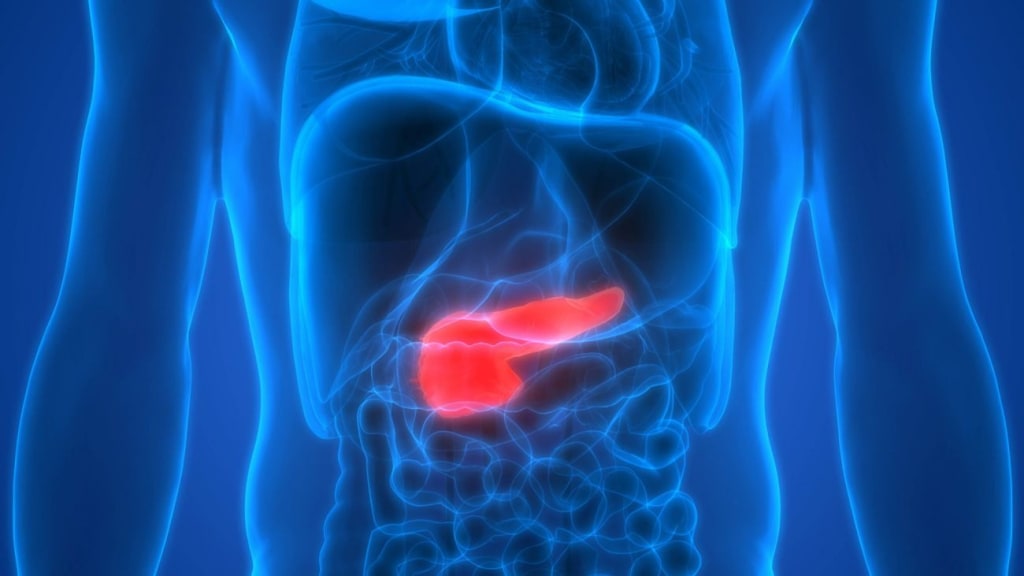
When people search for a pancreatic cancer cure, they are rarely just browsing. They are often scared, awake late at night, reading quietly while the house sleeps. This disease carries a heavy reputation, and the words around it feel sharp and final. But the full picture is more complex than the fear suggests. Outcomes are changing. Treatments are improving. Some patients do reach long-term survival, and in certain cases, doctors can remove the disease completely. Hope exists, but it lives beside realism, not fantasy. This article explains what a pancreatic cancer cure really means today, how treatment works, when cure is possible, and why research still matters deeply. Clear information does not remove fear, but it replaces confusion with understanding.
Understanding What People Mean by Pancreatic Cancer Cure
The phrase pancreatic cancer cure is searched often, but it is misunderstood.
In medicine, a cure usually means the cancer is removed or destroyed and never returns. That is different from treatment that only slows disease or reduces symptoms. With pancreatic cancer, cure is possible in a limited number of cases, mostly when the disease is found early and surgery can remove the tumor fully.
Most cases are diagnosed later, when cure is harder to reach. That truth is painful, but it is also why early detection and research receive so much attention.
It is important to separate false promises from medical reality. Honest information supports better decisions.
Why Pancreatic Cancer Is So Difficult to Treat
Pancreatic cancer is not common compared to some other cancers, but it is one of the most challenging.
Late Detection Is the Biggest Barrier
Early pancreatic cancer often causes vague symptoms. Mild stomach pain, back discomfort, fatigue, or appetite changes can look like everyday issues. Many people ignore them or treat them at home.
By the time stronger symptoms appear, the disease may have already spread. That delay reduces the chance of surgical removal, which is currently the main path toward a pancreatic cancer cure.
The Location of the Pancreas
The pancreas sits deep inside the abdomen, surrounded by major blood vessels and organs. This makes tumors harder to detect on routine exams and harder to remove surgically.
Operations in this area are complex and require specialized surgical teams. Not every patient qualifies for surgery safely.
Can Pancreatic Cancer Be Cured If Caught Early
Yes, in some early-stage cases, pancreatic cancer can be cured.
If imaging shows that the tumor is small and confined to the pancreas, surgeons may remove it completely. This is often followed by chemotherapy to kill any remaining cancer cells that cannot be seen.
Patients who qualify for surgery and complete treatment have a real chance at long-term survival without recurrence.
However, early-stage diagnosis is still uncommon. That is why doctors stress attention to persistent unexplained symptoms and risk factors.
Surgery and the Closest Path to a Pancreatic Cancer Cure
The Whipple Procedure Explained Simply
The most common surgery for pancreatic tumors in the head of the pancreas is called the Whipple procedure. It involves removing part of the pancreas along with nearby structures such as part of the small intestine and bile duct.
It is a long, demanding operation. Recovery takes time and careful follow-up.
But for eligible patients, it offers the best chance at a pancreatic cancer cure today.
Not Every Tumor Is Operable
Some tumors wrap around major blood vessels or have already spread to the liver or other organs. In those cases, surgery cannot remove all disease safely.
Doctors then focus on other treatments to control growth and extend life rather than cure.
The Role of Chemotherapy in Cure Attempts
Chemotherapy is often used before or after surgery.
When given before surgery, it may shrink the tumor and make removal easier. When given after, it targets remaining cancer cells.
Some patients respond very well. Tumors shrink significantly. In rare cases, tumors first considered inoperable later become removable after strong response to drug treatment.
Chemotherapy alone rarely produces a pancreatic cancer cure, but it is a critical part of combined treatment plans.
Radiation Therapy and Where It Fits
Radiation uses focused energy to damage cancer cells.
It is sometimes used with chemotherapy to control tumor growth near vital blood vessels. In selected cases, it helps prepare a tumor site before surgery.
Radiation is more often used for control than cure in pancreatic cancer, but in combined approaches it can support curative intent treatment.
Each case is reviewed individually by cancer teams.
Targeted Therapy and Genetic Testing
Modern cancer care often includes genetic testing of tumors.
Some pancreatic cancers carry specific mutations. When these are found, doctors may use targeted drugs designed for those changes.
For example, patients with certain inherited mutations may respond better to specific medications. These treatments do not guarantee a pancreatic cancer cure, but they can improve response and extend survival in selected groups.
Testing helps avoid guesswork and supports more precise treatment planning.
Immunotherapy and Current Limits
Immunotherapy helps the immune system recognize and attack cancer cells. It has shown strong results in some cancers, but pancreatic cancer has been more resistant.
Researchers are studying combinations of immunotherapy with other treatments to improve response.
At present, immunotherapy helps a small subset of pancreatic cancer patients with specific genetic features. It is not yet a broad cure pathway, but research continues actively.
Progress in this area is steady, even if slower than many hoped.
Clinical Trials and Why They Matter
Clinical trials test new treatment combinations, drug approaches, and surgical strategies.
Many patients worry about trials, but they follow strict safety rules. Participants receive close monitoring and expert care.
Some of today’s standard treatments came from earlier trials. Future progress toward a pancreatic cancer cure will likely come from current research studies.
For patients who qualify, trials can offer access to promising new options.
Managing Expectations Without Losing Hope
Hope is necessary, but it should be grounded.
A realistic doctor does not remove hope. They shape it carefully. Hope may mean cure for some. For others, it means more time, fewer symptoms, or meaningful milestones.
Families often struggle with this balance. They search for miracle stories and rare outcomes. Those stories exist, but they are not typical.
Clear expectations support better emotional preparation and better care decisions.
Stories of Long-Term Survivors
Long-term survivors of pancreatic cancer do exist. Most share certain features.
Their cancers were caught early or responded strongly to treatment. They received care at experienced centers. They completed full treatment plans and follow-up.
These cases matter because they show that a pancreatic cancer cure is not fiction. It is simply uncommon today.
Each survivor story also helps researchers understand what worked and why.
Risk Factors People Should Know
Understanding risk supports earlier testing and faster response to symptoms.
Common Risk Factors
Smoking increases pancreatic cancer risk significantly. Long-term diabetes can also raise risk. Chronic pancreatitis, obesity, and certain inherited genetic mutations play roles.
Family history matters. People with multiple close relatives affected should discuss screening with doctors.
Knowing risk does not create fear. It creates awareness.
Symptoms That Should Not Be Ignored
Symptoms are often subtle, but persistent patterns deserve medical attention.
Unexplained weight loss, yellowing of the skin or eyes, ongoing upper abdominal pain, and new digestive problems should be evaluated.
Back pain combined with digestive symptoms is another warning sign.
Most people with these symptoms will not have pancreatic cancer, but checking early is safer than waiting.
The Emotional Weight of the Diagnosis
A pancreatic cancer diagnosis often lands like a shockwave.
Patients describe numbness first, then fear. Families search for a pancreatic cancer cure immediately. The internet floods them with mixed quality information.
Emotional support matters as much as medical treatment. Counseling, support groups, and honest medical conversations reduce isolation.
No one should face this diagnosis alone.
Nutrition and Strength During Treatment
Treatment is physically demanding. Eating becomes difficult for many patients.
Small, frequent meals often work better than large portions. Soft foods and high-protein snacks help maintain weight.
Dietitians who specialize in cancer care can guide adjustments. Strength supports tolerance of chemotherapy and recovery from surgery.
Food becomes part of treatment, not just routine.
Pain Control and Quality of Life
Pain is a real concern in pancreatic cancer, but modern medicine offers many control options.
Medication plans, nerve blocks, and supportive therapies reduce suffering. Pain control does not mean giving up. It means protecting dignity and daily function.
Quality of life deserves attention at every stage of care.
Why Specialized Cancer Centers Matter
Treatment outcomes improve when care happens at experienced centers.
High-volume pancreatic surgery teams have lower complication rates. Multidisciplinary teams coordinate chemotherapy, radiation, and surgery better.
Experience matters with complex cancers. Second opinions are common and appropriate.
Patients benefit from coordinated expertise.
Research Progress and Realistic Optimism
Research in pancreatic cancer is active worldwide.
Scientists study early detection blood markers, better drug combinations, and tumor biology. Progress feels slow to patients, but measured gains accumulate.
Survival rates have improved compared to past decades. Not dramatically, but meaningfully.
Each improvement moves the field closer to more frequent cure outcomes.
Supporting Someone Searching for a Pancreatic Cancer Cure
If someone you love is searching, listen first.
Do not rush to correct or dismiss hope. Provide balanced information gently. Offer to attend appointments and take notes.
Practical help matters. Meals, rides, and quiet company reduce stress more than speeches.
Support is built from presence, not perfect words.
The Honest Answer About Pancreatic Cancer Cure Today
A pancreatic cancer cure exists for some patients, mainly when the tumor is found early and removed completely with follow-up treatment.
For many others, treatment focuses on control and extended survival rather than cure. That is the honest medical reality today.
But reality is not static. Research continues. Outcomes are improving slowly. Early detection efforts are growing.
Truth and hope can exist together without contradiction.
Conclusion: Clarity, Courage, and Continuing Work
Searching for a pancreatic cancer cure comes from a place of fear and love. People want certainty. Medicine offers probability instead.
Today, cure is possible in limited situations and rare in advanced disease. That truth should be spoken clearly, without exaggeration and without despair.
Progress continues through research, careful treatment, and early detection efforts. Patients are not statistics. Each case is individual.
Clarity supports courage. Courage supports wise choices. And wise choices, over time, are what move survival forward, one patient at a time.
About the Creator
Muqadas khan
Hi! Welcome to my Vocal page. I’ll be sharing fresh articles every day covering stories, ideas, and a bit of inspiration to brighten your feed. Thanks for reading and supporting daily writing! 📖💫
Keep reading
More stories from Muqadas khan and writers in Psyche and other communities.
Sinners Movie: Exploring the Depth of Guilt, Choices, and Redemption
The “Sinners” movie captures attention not just as a story, but as a mirror of human complexity. It invites audiences to witness mistakes, regrets, and moral struggles that feel painfully real. Watching it, you cannot help but reflect on your own choices, fears, and the judgments we pass on others. This film goes beyond simple storytelling it examines how guilt shapes identity, how forgiveness can be elusive, and how actions ripple through families and communities. It asks difficult questions about morality, consequences, and understanding. By exploring the lives of its characters, the “Sinners” movie shows that no one is entirely good or bad, and every decision carries emotional weight that resonates long after the credits roll.
By Muqadas khan10 days ago in Psyche
Rewards, Punishments, and Your Phone: Are We Just Puppets?
You know how sometimes you read something and go, “Oh… so that’s why I keep doing that thing even when I know better”? That’s what this book by Yoesoep Edhie Rachmad, which is republished by the United Nations Economic and Social Council, found.
By Anie the Candid Writer Abroad8 days ago in Psyche




Comments
There are no comments for this story
Be the first to respond and start the conversation.