
"Social Media & Mental Health: The Hidden Risks and Surprising Benefits"
"The Dark Side of Social Media: Is Your Mental Health at Risk?"

The Impact of Social Media on Mental Health: Understanding the Risks and Benefits of Online Connectivity
Introduction
Social media has become an inseparable part of modern society. Platforms such as Facebook, Instagram, Twitter, TikTok, and LinkedIn have revolutionized communication, making the world more interconnected than ever. While social media brings numerous benefits, including fostering global connections, providing educational resources, and enabling self-expression, it also raises serious concerns about mental health.
From cyberbullying and anxiety to self-esteem issues and addiction, the psychological effects of social media can be profound. Understanding these impacts and adopting healthy social media habits is essential for maintaining mental well-being. This article delves into the risks and benefits of social media, supported by authoritative research and practical solutions.
The Rise of Social Media: A Digital Revolution
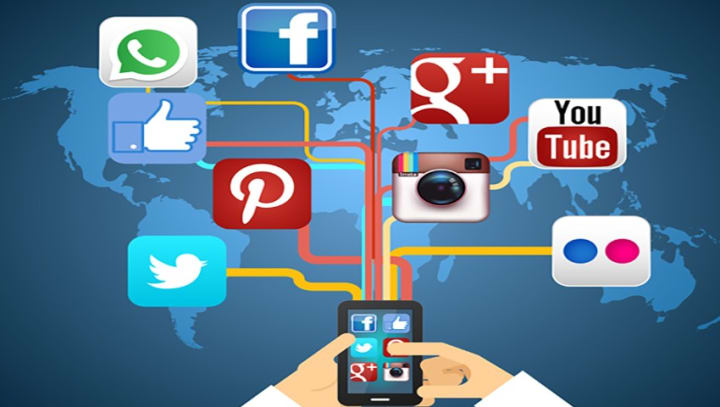
Social media has transformed the way we interact, consume news, and present ourselves to the world. As of 2024, over 4.9 billion people actively use social media worldwide, a number expected to grow in the coming years. While this digital expansion has opened up incredible opportunities for connectivity and self-expression, it has also introduced significant mental health challenges.
The Power of Social Media Connectivity
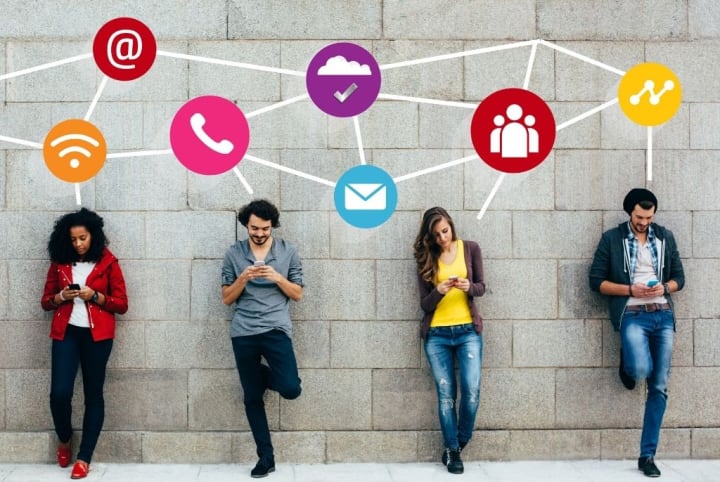
1. Instant Communication – Social media allows real-time interaction, making it easier to stay in touch with family, friends, and colleagues.
2. Global Reach – People can connect across cultures, fostering global awareness and understanding.
3. Information Hub – News, health tips, and educational content are readily available at our fingertips.
4. Career and Business Growth – Professionals and entrepreneurs use social media for networking, marketing, and career advancement.
While these advantages make social media a valuable tool, its effects on mental health require careful consideration.
The Dark Side: Risks of Social Media on Mental Health

Despite its benefits, excessive or unregulated social media use can lead to significant mental health challenges. Below are some of the key risks:
1. Cyberbullying: A Silent Epidemic
Cyberbullying is a growing concern, with many individuals—especially teenagers—experiencing online harassment. According to a 2023 survey, 37% of young people have been victims of cyberbullying, leading to increased anxiety, depression, and even suicidal thoughts.
• Warning Signs: Increased withdrawal from social interactions, low self-esteem, and emotional distress.
• Prevention: Educating users about online safety, reporting abusive content, and promoting kindness in digital spaces.
2. Social Comparison and Self-Esteem Issues
Social media creates an illusion of "perfect lives," leading users to compare themselves to unrealistic standards. Studies show that 60% of social media users feel inadequate after browsing through posts that depict curated versions of reality.
• Impact: Low self-esteem, body dissatisfaction, and increased feelings of inadequacy.
• Solution: Follow authentic content creators, limit exposure to triggering content, and practice self-compassion.
3. Sleep Disruptions and Digital Fatigue
Excessive screen time, especially before bedtime, disrupts the body's natural sleep cycle. Screen blue light inhibits the generation of melatonin, which results in weariness and poor sleep.
• Fix: Implement screen-free time at least one hour before bed, use "night mode" features, and establish a bedtime routine.
4. Anxiety and Depression
Studies have linked heavy social media use with increased rates of anxiety and depression. Constant connectivity and pressure to maintain an online presence contribute to stress and emotional exhaustion.
• Strategies to Reduce Stress:
o Take social media detox breaks.
o Engage in offline activities.
o Seek professional counseling when needed.
The Bright Side: Benefits of Social Media on Mental Health
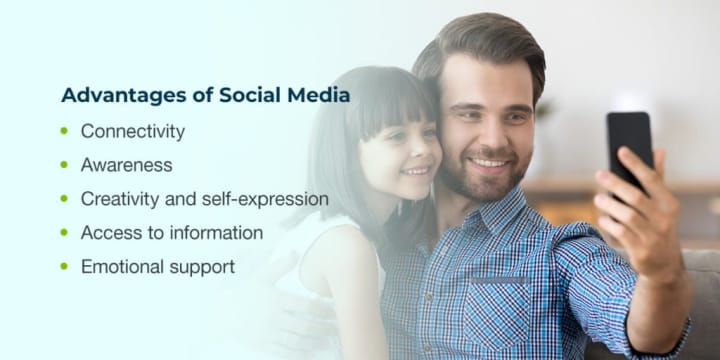
Social media isn't all bad—it also offers several mental health benefits when used mindfully.
1. Social Support and Community Building
For those facing loneliness or isolation, social media can provide a sense of belonging through support groups, online communities, and virtual friendships.
• Example: Mental health advocacy groups on Facebook and Reddit provide support for individuals struggling with anxiety and depression.
2. Educational Resources and Awareness
Social media spreads awareness about mental health issues, reduces stigma, and connects individuals to valuable resources such as online therapy and wellness programs.
3. Encourages Self-Expression and Creativity
Platforms like Instagram, YouTube, and TikTok enable users to showcase their talents, share personal experiences, and build confidence.
4. Professional Networking and Opportunities
LinkedIn and Twitter help professionals connect, gain industry insights, and build careers. This sense of purpose and achievement can boost mental well-being.
Tips for Healthy Social Media Use
To strike a balance between the advantages and disadvantages of social media, consider adopting the following habits:
✅ Set Boundaries: Limit screen time and avoid excessive scrolling. ✅ Curate Your Feed: Follow pages that inspire positivity and self-growth. ✅ Engage in Offline Activities: Prioritize hobbies, physical exercise, and face-to-face interactions. ✅ Use Social Media Intentionally: Rather than mindless scrolling, focus on meaningful engagement. ✅ Seek Professional Help: If social media negatively impacts your mental health, consult a therapist or counselor.
Conclusion
Social media is a powerful tool with both risks and benefits. While it fosters connection, creativity, and learning, it also poses mental health challenges like anxiety, depression, and social comparison. By using social media mindfully and implementing healthy digital habits, we can harness its advantages while minimizing its drawbacks.
Call-to-Action (CTA)
🔹 Take a Social Media Detox: Try a 7-day break and observe how it affects your mental health. 🔹 Be Mindful: Start curating your feed with positive and educational content. 🔹 Seek Support: If social media negatively impacts your well-being, don’t hesitate to seek help.
_______________________________________
By adopting mindful social media practices, we can embrace the positive aspects of online connectivity while safeguarding our mental well-being. Share this guide and help others make informed digital choices! 🌍💡
About the Creator
PRABAL TR PRO
✅ "Writer & Poet ✍️ | Exploring ideas, stories, and insights that inspire & captivate! From culture to creativity—let’s dive into the world of words!"
Keep reading
More stories from PRABAL TR PRO and writers in Psyche and other communities.
🐔 The Chicken and The Dictator: A Chilling Allegory for Modern Times.
🐔 The Chicken and The Dictator: A Chilling Allegory for Modern Times ✍️ 🪶 Introduction: A Featherless Truth History has a strange way of repeating itself—not always in exact actions, but through patterns and power plays that echo across generations. One such disturbing parable involves a dictator, a chicken, and a horrifying lesson in manipulation.
By PRABAL TR PRO10 months ago in Psyche
What Happens To Your Brain When You Stop Multitasking
Digital technology is the culprit that is causing us to doom scroll when tired, disengaged and unmotivated with the content that motivated you to log onto your device to consume in the first place. That is only the beginning. In the modern workplace (and even when filing cabinets were around, I confirmed this with my adopted parents to get my facts right); reading files while you are supposed to be present to the caller on the other end of the phone line is another classic example of multitasking that causes your brain (although adaptable and intelligent) to lose focus and concentration.
By Justine Crowley3 days ago in Psyche




Comments (1)
Author’s Note: In today's digital world, social media is a powerful force that connects us, informs us, and even shapes our emotions. But while it brings people together, it also comes with hidden challenges that can impact our mental well-being. Through this article, I aim to shed light on both the risks and benefits of online connectivity, helping you navigate the digital space more mindfully. I hope this piece encourages thoughtful reflection and sparks meaningful conversations. If this resonates with you, feel free to share it and help others make informed digital choices. Together, let’s cultivate a healthier, more mindful approach to social media. 💙✨