
The Dark Side of Viral Fame: How Social Media Is Changing Young Minds in Romania
From TikTok trends to overnight influencers – what are we really sacrificing for attention?

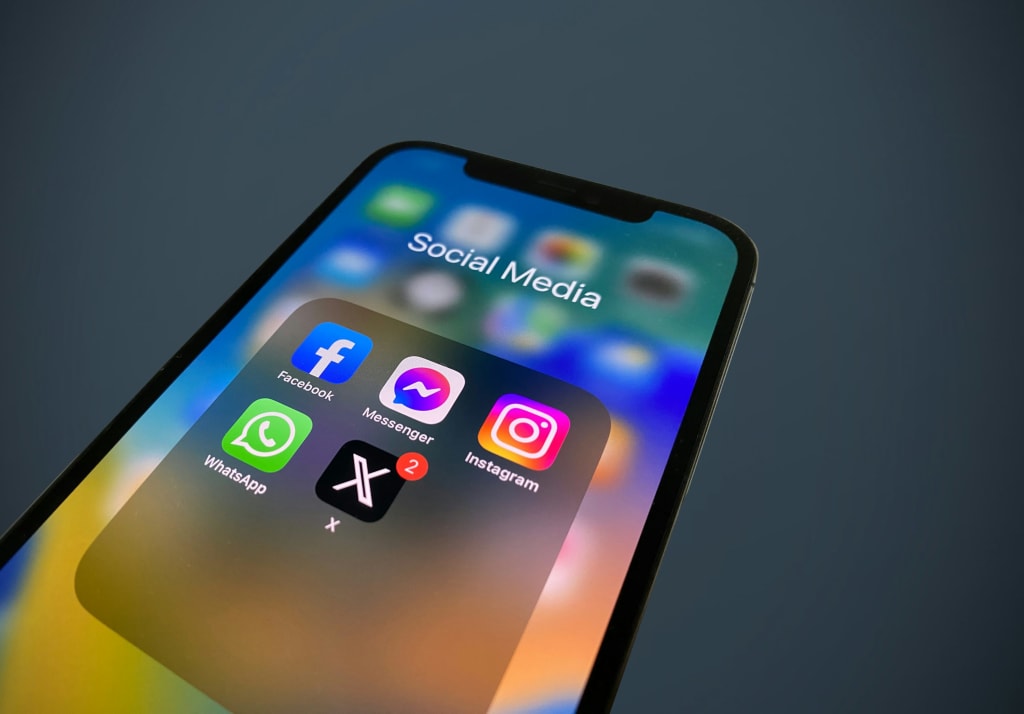
In the past decade, social media has completely transformed the way young people see the world — and themselves. Platforms like TikTok, Instagram, and Facebook are no longer just tools for communication. They have become stages. And everyone wants to perform.
In Romania, just like in the rest of the world, teenagers and young adults are chasing something that didn’t even exist 20 years ago: viral fame. But behind the filters, the views, and the likes, there’s a darker reality that very few people talk about.
The Pressure to Go Viral
Going viral used to be something accidental. Today, it’s strategic. Young creators carefully analyze trends, sounds, hashtags, and algorithms. They post at specific hours. They optimize captions. They study what “works.”
But what happens when your value starts depending on numbers?
When a video doesn’t perform well, many creators feel anxiety, disappointment, even shame. Their mood becomes tied to engagement metrics. A bad week online can feel like a personal failure.
In Romania, we’ve seen teenagers building large followings in months. But we’ve also seen accounts disappear overnight. Algorithms change. Trends die. Audiences move on.
And when that happens, the psychological impact can be severe.
The Illusion of Success
Social media creates a distorted reality. It makes overnight success look normal. It hides the failures. It shows the highlight reel.
Young people scrolling through their feed see influencers traveling, buying expensive cars, wearing luxury brands. What they don’t see is the debt, the sponsorship pressure, or the mental burnout behind the scenes.
This illusion creates comparison. And comparison creates insecurity.
According to multiple European studies, excessive social media use correlates with increased anxiety and lower self-esteem among teenagers. Romania is not immune to this trend.
The Rise of Shock Content
Another worrying pattern is the rise of extreme content. In order to stand out, creators often push boundaries. The more shocking the content, the more engagement it gets.
Pranks become more dangerous. Opinions become more controversial. Conflicts become more public.
Outrage sells.
And platforms reward engagement — even if it’s negative.
Young creators quickly learn that calm, balanced content rarely goes viral. Drama does.
Fame Without Foundation
The problem with viral fame is that it’s unstable. Traditional careers require skills, education, and experience. Viral fame requires attention.
Attention is fragile.
Many young influencers build audiences before they build identity. They become “known” before they truly know themselves.
When fame fades — and it often does — they are left asking: Who am I without the views?
The Romanian Context
In Romania, opportunities for young people can sometimes feel limited. Social media becomes a shortcut. A way to escape financial struggles. A way to gain recognition faster than traditional paths allow.
And for some, it works.
But for many others, it becomes a cycle of chasing trends without long-term stability.
Schools rarely teach digital literacy at a deep level. Parents often don’t fully understand the online world their children live in. The gap between generations grows wider.
Is Social Media the Enemy?
Not necessarily.
Social media has also created opportunities. It has allowed young Romanians to build businesses, promote art, share opinions, and connect globally.
The problem isn’t the platform. It’s the relationship we develop with it.
When identity becomes performance, and validation becomes numerical, mental health becomes fragile.
A Possible Solution
Instead of demonizing social media, we should teach healthier usage.
- Digital literacy in schools
- Open conversations about online pressure
- Encouraging offline achievements
- Promoting authenticity over virality
Young people don’t need fewer dreams. They need stronger foundations.
Final Thoughts
Viral fame looks glamorous. But behind the screen, it often carries pressure, insecurity, and instability.
Romania’s young generation is incredibly creative and ambitious. Social media can amplify that power — or distort it.
The question isn’t whether social media will shape the next generation.
It already is.
The real question is: will we guide it responsibly?
About the Creator
Goodbye, Mr. Duvall
It is turning out to be an interesting year. I was in the middle of teaching a class when a pop-up appeared on the screen announcing the death of Mr. Robert Seldon Duvall (yes, that was his full name). I was in the middle of a discussion on the obsession we have with winning when it comes to sports (the Winter Olympics was a theme), and I felt as though things were coming full circle. We had already lost Gene Hackman last year, and along with that titan, it feels though one particular golden age has closed off to be replaced by...?
By Kendall Defoe 3 days ago in Geeks



Comments
There are no comments for this story
Be the first to respond and start the conversation.