
The Hidden Cost of Porn
How It Rewired Your Brain, Alters Emotions and Impact Your Life
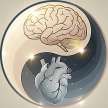

Pornography has become one of the most accessible and normalized digital habits of the modern era. With millions of videos just a click away, it seems harmless, just another form of entertainment. It is an escape, a quick fix, a fleeting pleasure. But the truth is far more complex! Pornography is not merely a private indulgence but a potent force that rewires the brain, alters perception, and reshapes behavior. From the way it triggers dopamine surges to how it affects real-life relationships, porn’s impact is much deeper than most realize. This article dives into what porn really does to the brain and how it influences your thoughts, emotions, mental health, and life itself.
The Dopamine Trap: How Porn Hijacks Your Brain
Ever wonder why one video is never enough? Why do you keep clicking, searching, and going down the endless rabbit hole of content? The answer lies in your brain’s dopamine system, which is being hacked in real-time by pornography.
Dopamine is supposed to reward natural experiences, things like achieving a goal, eating good food, or forming deep connections. But porn tricks your brain into thinking you’re engaging in a high-value activity, flooding your system with massive dopamine surges. The problem? Your brain wasn’t built for this kind of artificial stimulation.
Over time, your tolerance builds, and suddenly, the usual videos don’t do it anymore. You seek more extreme content, not because you want to, but because your brain needs a bigger dopamine rush to feel the same effect. Meanwhile, real-life experiences, dating, relationships, even small victories, start to feel dull and unexciting.
This is the dopamine trap. The more you consume, the more you crave. The more you crave, the harder it becomes to stop.
Rewiring Your Mind: The Long-Term Effects of Pornography
The brain is designed to adapt. When exposed to repeated behaviors, it rewires itself to prioritize them. Pornography, with its hyper-stimulating nature, reshapes mental patterns over time, altering how pleasure, attraction, and focus function.
Real-world experiences start to feel less rewarding. Activities that once brought joy, relationships, hobbies, or even career goals, become secondary to the instant gratification porn provides. Emotional connections weaken, and intimacy with a real partner can feel unfulfilling compared to artificial fantasies.
Focus and patience also decline. The fast-paced nature of porn conditions the brain to expect constant novelty, making everyday tasks feel dull or frustrating. Reading a book, maintaining deep conversations, or working on long-term goals requires effort that a brain wired for instant pleasure resists.
Perhaps most concerning, prolonged porn use alters attraction itself. The more exposure, the greater the shift toward unrealistic and exaggerated portrayals of intimacy. What once felt natural no longer satisfies, creating a cycle of dissatisfaction and an ever-growing need for more extreme stimulation.
Porn isn’t just entertainment, it’s a force that rewires perception, emotion, and even personality. Once the brain adapts to artificial pleasure, escaping its grip becomes a challenge, making reality feel like a poor substitute.
The Link Between Porn and Mental Health Issues
Porn consumption doesn’t just alter pleasure and perception, it deeply affects mental health. Many users experience heightened anxiety, depression, and mood swings without realizing the connection. The brain, overstimulated by artificial pleasure, struggles to find balance in everyday life.
One major issue is the guilt-shame cycle. Many people feel regret after watching porn, especially when it conflicts with personal values or disrupts their productivity. This leads to self-loathing, yet the easiest escape from discomfort is often more porn, reinforcing the cycle. Over time, this can create a sense of helplessness and emotional instability.
Porn also fuels social withdrawal. As real-world interactions become less stimulating compared to digital fantasies, users may avoid relationships, friendships, or social settings. The more isolated they become, the deeper they sink into the habit, further damaging their emotional well-being.
Sleep disturbances are another common issue. Late-night bingeing disrupts sleep patterns, leading to chronic fatigue and low energy. This impacts mood regulation, focus, and overall mental resilience. Many people find themselves irritable, unmotivated, or emotionally numb, yet fail to recognize porn as the cause.
What seems like an escape from stress often becomes a source of it. Instead of offering relief, porn gradually drains mental well-being, leaving behind dissatisfaction, frustration, and emotional exhaustion.
How Porn Reshapes Your Perception of Reality
Pornography doesn’t just provide entertainment, it actively distorts the way people see the world. Over time, repeated exposure creates unrealistic expectations about attraction, relationships, and intimacy. What once seemed natural and fulfilling starts to feel inadequate, leading to frustration and disconnection.
One of the most noticeable effects is the way it alters attraction. Instead of valuing real connection, the mind begins craving exaggerated, artificial portrayals of intimacy. This can lead to dissatisfaction in relationships, where partners are unfairly compared to digital fantasies. The more the brain associates pleasure with artificial stimulation, the harder it becomes to find real-world relationships satisfying.
Beyond attraction, porn influences social behavior. It fosters a detached, consumer-like mindset, where people view intimacy as something to consume rather than experience. This can make forming meaningful connections difficult, as the brain is conditioned to prioritize novelty over depth. Emotional bonds weaken, and relationships lose their sense of connection and warmth.
Even communication changes. Conversations about intimacy become uncomfortable, as porn creates unrealistic scripts that don’t align with real human interaction. Many users struggle to engage emotionally, leading to miscommunication and relationship struggles. What once seemed natural now feels complicated, all because the brain has been rewired by artificial stimulation.
Porn subtly changes how you see people, relationships, and yourself.
The Addiction Cycle: Why Quitting Porn Feels Impossible
Breaking free from pornography is more challenging than many realize. Unlike other habits that can be easily adjusted, porn creates a powerful cycle that reinforces itself. The brain becomes conditioned to seek it out, and every attempt to quit is met with intense cravings, making the process frustrating and discouraging.
One of the reasons quitting feels impossible is the way porn creates a strong emotional attachment. It often becomes a coping mechanism for stress, loneliness, or boredom. Rather than facing uncomfortable emotions, the mind turns to porn as a quick escape. This repeated behavior strengthens the habit, making it increasingly difficult to resist.
Another challenge is the withdrawal effect. Many who attempt to quit experience mood swings, irritability, or even a sense of emptiness. Without the artificial stimulation they’ve relied on, their brain struggles to find balance, leading to frustration and relapse. The absence of instant gratification can make real-life experiences feel dull, increasing the temptation to return to old patterns.
What makes this cycle even stronger is the feeling of failure. Every relapse reinforces a belief that quitting is impossible, leading to self-judgment and hopelessness. Over time, this creates a loop where the habit continues, not because it’s truly wanted, but because breaking free seems out of reach.
Porn-Induced Erectile Dysfunction: A Growing Concern
For many, the effects of pornography extend beyond the mind, impacting physical health in ways they never expected. One of the most alarming consequences is porn-induced erectile dysfunction (P.I.E.D.), a condition that has become increasingly common, especially among younger men. Unlike traditional erectile dysfunction, which is often linked to age or medical conditions, P.I.E.D. is rooted in the way the brain responds to excessive artificial stimulation.
Pornography trains the brain to associate arousal with screens rather than real-life experiences. Over time, this conditioning weakens the natural response to physical intimacy, making it difficult to feel excitement in real-world situations. Many who experience this issue report that they struggle with attraction to their partners, not because the desire is gone, but because their brains have been rewired to respond only to the exaggerated, high-intensity nature of porn behind a screen!
What makes P.I.E.D. even more troubling is that it can create a cycle of anxiety and avoidance. When someone realizes they cannot perform, feelings of embarrassment and self-doubt emerge, leading them to further isolate themselves. Rather than seeking real intimacy, many return to porn, reinforcing the very habit that caused the issue in the first place. This creates a frustrating loop where genuine connections feel impossible, leaving many stuck in a state of emotional and physical detachment.
The Science of Desensitization: Why You Keep Craving More
Pornography doesn’t just create a habit, it fundamentally changes how the brain processes pleasure. Over time, excessive consumption leads to desensitization, making previous content less stimulating and driving the urge for more extreme material. This process is driven by neurological changes that reshape how arousal and satisfaction work.
- Reduced Sensitivity to Pleasure: As the brain is repeatedly exposed to high-intensity stimulation, it adapts by dulling its response. What once felt exciting eventually loses its effect, pushing users to seek novelty or more extreme content to feel the same level of arousal.
- Increased Tolerance: Just like with substance addiction, frequent exposure builds tolerance. The same material that once triggered excitement no longer has the same impact, leading to an endless search for something more stimulating. This cycle can lead to escalating preferences that don’t align with real-world intimacy.
- Impaired Natural Arousal: The brain begins to associate pleasure exclusively with artificial stimulation. This makes real-life experiences seem underwhelming, as they lack the exaggerated intensity of digital content, reinforcing the preference for screens over human connection.
- Emotional Numbing: As dopamine levels fluctuate from overstimulation, users may find themselves feeling emotionally detached or less responsive to everyday joys. This creates a deeper dependence on artificial stimulation as a way to fill the emotional void.
Without intervention, desensitization keeps reinforcing itself, making it harder to break free and return to natural, fulfilling experiences.
NOW...
Now, let’s make sure we truly realize what porn does to the brain. Because, we often understand things intellectually but don’t fully grasp them until it’s too late or we have already suffered significant damage. It's wiser to avoid it before experiencing significant damage.
It chips away at your self-discipline, making it harder to stick to healthy routines or meaningful goals.
It blocks personal growth, steering your energy away from building strengths or pursuing new skills.
It can crush your motivation, replacing genuine drive with a hunger for quick, empty thrills.
It weakens your mental resilience, leaving you more vulnerable to stress and self-doubt.
It kills your patience, conditioning you to crave instant gratification instead of long-term rewards.
It erodes genuine intimacy, causing disconnection and frustration in relationships that need real closeness.
It undermines willpower, fueling impulsive behavior that spills into other parts of your life.
It sabotages your focus, making it tougher to concentrate on important tasks or personal growth.
It gnaws at self-confidence.
It drains emotional energy.
It amplifies negative thinking, as guilt and regret often turn into ongoing mental battles.
It reduces your capacity for coping with stress, making it tempting to escape rather than confront problems.
It dulls real-world joys, making once-fulfilling activities feel less rewarding than virtual stimulation.
How to Break Free:
Quitting porn is not just about willpower; it requires a fundamental shift in mindset and daily habits. Many people assume that stopping is as simple as making a decision, but breaking free from an ingrained habit demands a deeper understanding of what keeps them trapped. Without a structured approach, most attempts end in relapse, reinforcing feelings of failure and helplessness.
Great news! In my next article, I'll reveal the most effective ways to quit porn for good!
About the Creator
Beyond The Surface
Master’s in Psychology & Philosophy from Freie Uni Berlin. I love sharing knowledge, helping people grow, think deeper and live better.
A passionate storyteller and professional trader, I write to inspire, reflect and connect.
Keep reading
More stories from Beyond The Surface and writers in Psyche and other communities.
Top 10 Psychological Manipulation Tactiks in Everyday Life
Manipulation isn’t reserved for shadowy villains in blockbuster movies, it’s part of everyday life, quietly influencing the decisions we make and the opinions we hold. From subtle marketing tricks to calculated social strategies, psychological manipulation is all around us. The scariest part? You might not even realize it's happening. These tactics exploit human behavior in ways that are both fascinating and unsettling. Understanding them is the first step to regaining control over your thoughts and choices. Here are ten of the most effective and pervasive psychological manipulation techniques you encounter every day.
By Beyond The Surface12 months ago in Psyche
Scrapbooking as a Tool for Mental Health
In my early twenties, I started keeping a daily journal. I enjoyed doodling, gluing in receipts, and writing down my thoughts. I started journaling with the intention of capturing memories, since my mental illness greatly affects my long-term memory.
By Kera Hollowabout 6 hours ago in Psyche




Comments
There are no comments for this story
Be the first to respond and start the conversation.