
Why Ignoring Weed Addiction Signs Can Delay Recovery
Weed Addiction Signs Can Delay Recovery

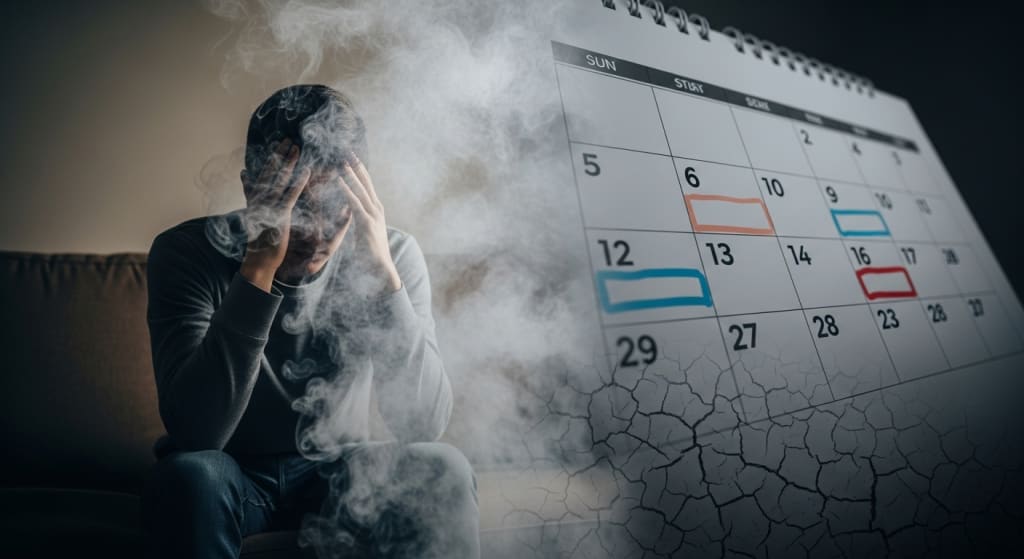
Marijuana is often viewed as harmless or non-addictive, which can make it easy to overlook when use becomes problematic. However, for some individuals, weed use can evolve into dependence that affects mental health, motivation, relationships, and daily functioning. When early warning signs are ignored, recovery can be delayed, and challenges often become more difficult to address over time.
Understanding why these signs matter and recognizing them early can help individuals seek appropriate support before weed use interferes further with health and quality of life.
Understanding Weed Addiction and Dependence
Weed addiction, also known as cannabis use disorder, occurs when a person struggles to control their use despite negative consequences. Over time, the brain becomes accustomed to regular THC exposure, making it harder to stop without discomfort or cravings.
Dependence may develop gradually, which is why many people fail to recognize the problem until it significantly impacts their daily life. Early awareness plays a key role in preventing long-term complications.
Why Weed Addiction Is Often Overlooked
One reason weed addiction signs are ignored is the widespread belief that marijuana is not addictive. While not everyone who uses weed becomes dependent, some individuals are more vulnerable due to mental health conditions, stress, or frequent use.
Other factors that contribute to overlooking the problem include:
- Social acceptance of marijuana use
- Use as a coping mechanism for stress or anxiety
- Gradual increase in tolerance
- Comparing weed use to “harder” substances
These factors can make it easier to dismiss warning signs until they escalate.
Common Signs of Weed Addiction
Recognizing the signs of weed addiction is an important step toward recovery. These signs often appear subtly and worsen over time.
Common indicators may include:
- Difficulty cutting back or stopping use
- Increased tolerance requiring more weed to feel effects
- Using weed to cope with emotions or stress
- Loss of motivation or focus
- Irritability or restlessness when not using
When these patterns persist, they can interfere with both mental and emotional well-being.
How Ignoring Early Signs Delays Recovery
When weed addiction signs are ignored, individuals may continue patterns that reinforce dependence. The longer these behaviors continue, the more ingrained they become, making recovery more challenging later.
Delayed recovery can lead to:
- Stronger psychological dependence
- Increased withdrawal discomfort
- Worsening mental health symptoms
- Reduced confidence in the ability to quit
Early intervention helps prevent these challenges from intensifying.
The Impact on Mental Health
Weed use is often linked to anxiety, depression, and mood changes. While some individuals initially use marijuana to relax, long-term or heavy use can worsen emotional instability.
Ignoring addiction signs may contribute to:
- Increased anxiety or panic episodes
- Low mood or emotional numbness
- Difficulty managing stress without weed
- Reduced emotional resilience
Addressing both weed use and mental health together is essential for balanced recovery.
How Weed Addiction Affects Daily Life
Over time, weed addiction can affect daily responsibilities and relationships. Individuals may begin prioritizing use over work, school, or social commitments.
This can result in:
- Declining performance at work or school
- Withdrawal from family and friends
- Financial strain
- Disrupted routines and sleep patterns
These consequences often accumulate gradually, making them easy to overlook until they significantly disrupt daily life.
Why Self-Management Often Isn’t Enough
Many people attempt to manage weed use on their own, believing they can stop anytime. While self-control works for some, others find that cravings, stress, or emotional triggers make it difficult to quit without support.
Without professional guidance:
- Relapse risk increases
- Emotional triggers remain unaddressed
- Coping skills may be limited
- Motivation can decline after setbacks
Recognizing the need for help is a strength, not a failure.
When Professional Support Becomes Important
Seeking professional support can make a meaningful difference in recovery outcomes. Treatment focuses not only on stopping weed use but also on addressing underlying emotional and behavioral factors.
Resources like explain how recognizing addiction signs early can lead to timely treatment and improved recovery success.
Professional care helps individuals understand patterns, build coping strategies, and regain control.
How Treatment Helps Prevent Long-Term Struggles
Structured treatment provides accountability, education, and emotional support. It helps individuals identify triggers, develop healthier habits, and rebuild motivation.
Treatment may include:
- Individual counseling
- Group therapy and peer support
- Behavioral skill development
- Relapse prevention planning
This comprehensive approach supports sustainable recovery rather than short-term change.
The Benefits of Addressing Weed Addiction Early
Early intervention offers several advantages. When addiction signs are addressed sooner, individuals often experience smoother recovery and fewer disruptions to their lives.
Benefits of early treatment include:
- Reduced severity of withdrawal symptoms
- Improved mental clarity and motivation
- Stronger confidence in recovery
- Better long-term outcomes
Taking action early helps individuals regain balance before weed use becomes more deeply rooted.
Breaking the Stigma Around Weed Addiction
Stigma can prevent people from seeking help. Because marijuana is often viewed as low-risk, individuals may feel embarrassed or dismissed when they express concern about their use.
Breaking this stigma involves acknowledging that addiction can affect anyone and that seeking support is a proactive step toward health and well-being.
Final Thoughts
Ignoring the signs of weed addiction can delay recovery and make challenges harder to overcome. Early recognition allows individuals to seek appropriate support, address underlying issues, and regain control of their lives.
By taking addiction signs seriously and seeking help when needed, individuals can move toward healthier habits, improved mental well-being, and lasting recovery.
Frequently Asked Questions
Can weed really be addictive?
Yes. While not everyone develops dependence, some individuals experience cannabis use disorder that interferes with daily life.
What happens if weed addiction is ignored?
Ignoring signs can lead to stronger dependence, mental health challenges, and delayed recovery.
Do I need rehab for weed addiction?
Treatment needs vary. Professional support can help individuals who struggle to stop on their own or experience ongoing negative effects.
Is recovery from weed addiction possible?
Yes. With the right support and coping strategies, long-term recovery is achievable.
About the Creator
Jordan Blake
Jordan Blake is a medical content writer focused on mental health and addiction recovery, delivering research-driven, reader-friendly healthcare content.
Keep reading
More stories from Jordan Blake and writers in Psyche and other communities.
How Does an IOP Mental Health Program Near Me Actually Work?
Mental health care is not one size fits all. While some individuals need inpatient treatment, others require more support than traditional outpatient therapy can provide. This is where Intensive Outpatient Programs, commonly known as IOPs, play an essential role. An IOP mental health program offers structured care while allowing individuals to continue living at home and managing daily responsibilities.
By Jordan Blake6 days ago in Psyche




Comments
There are no comments for this story
Be the first to respond and start the conversation.