
Why Procrastination Feels Safer Than Taking Action
The uncomfortable truth about avoidance, fear, and the quiet comfort of doing nothing

Note from Author:
Disclosure: This story was written with the assistance of AI and edited for originality, clarity, and personal voice.
Introduction: The Lie We Tell Ourselves
You tell yourself you’ll start tomorrow.
Not because you don’t care, but because right now feels heavy.
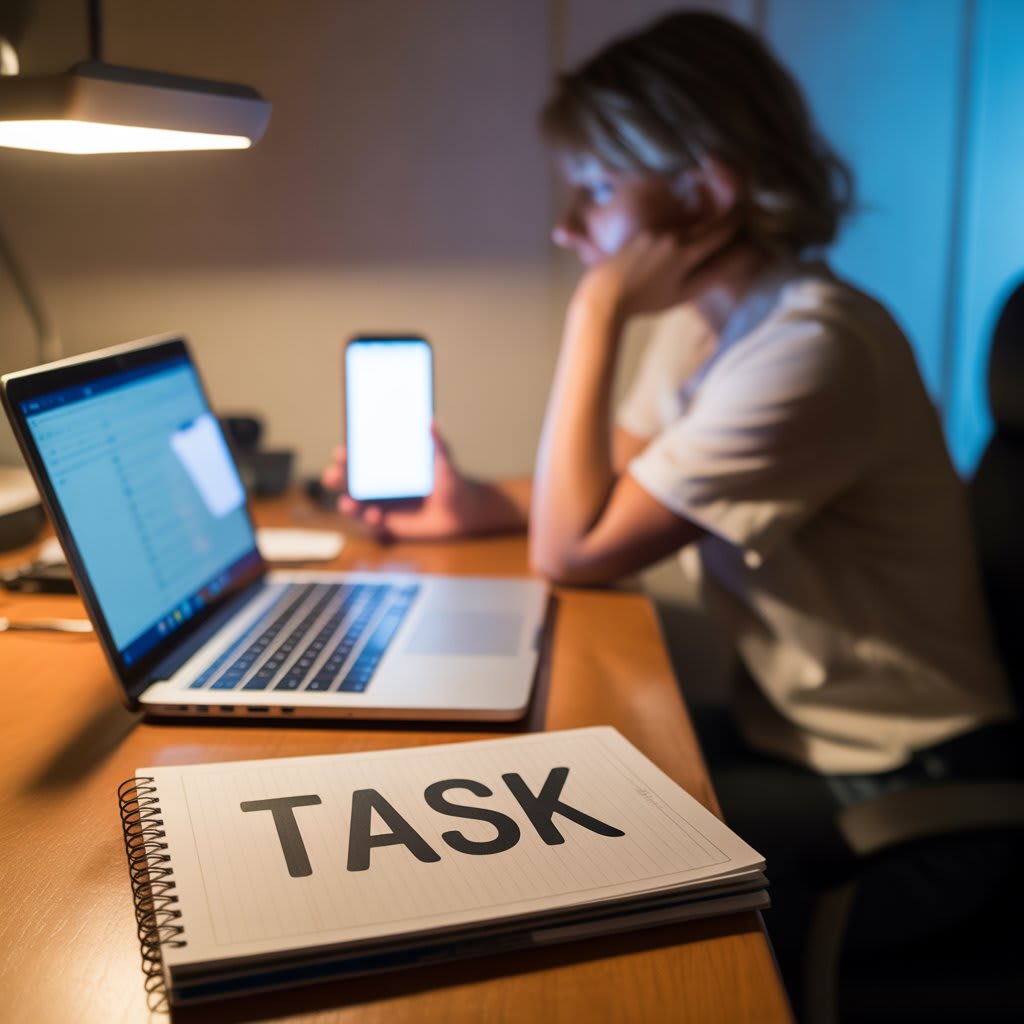
You open your laptop. You check your phone instead.
You know what needs to be done, yet something inside you resists moving forward.
Most people call this laziness. Some call it lack of discipline.
Both are wrong.
Procrastination isn’t the absence of motivation.
It’s the presence of self-protection.
At a deep psychological level, procrastination feels safer than action. Not because action is bad, but because action exposes you to things your brain would rather avoid: uncertainty, failure, judgment, and change.

Procrastination Is Not Doing Nothing
It’s Doing Something Very Specific
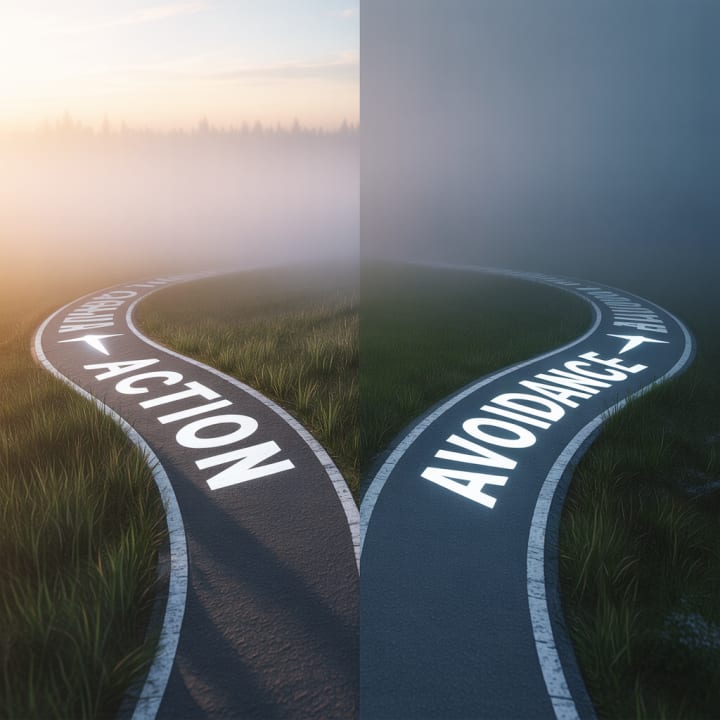
Procrastination isn’t inactivity. It’s avoidance behavior.
You’re not doing “nothing.” You’re doing something that reduces discomfort:
Scrolling
Cleaning
Organizing
Planning endlessly
Waiting to feel “ready”
These activities create a sense of motion without risk. They feel productive enough to calm guilt, but safe enough to avoid exposure.
Action, on the other hand, asks a dangerous question:
What if this doesn’t work?
Your brain hears that as a threat.
Why Action Feels Unsafe to the Brain
Your brain evolved to keep you alive, not successful, fulfilled, or confident.
From the brain’s perspective:
Action = uncertainty
Uncertainty = potential danger
When you take action, you risk:
Failing publicly
Discovering you’re not as good as you hoped
Losing the comfort of the familiar
Having to update how you see yourself
Procrastination keeps all of that at a distance.
It preserves the fantasy:
“I could do this… if I wanted to.”
That fantasy is emotionally safer than reality.
The Emotional Relief of Delay
Procrastination gives immediate relief.
The moment you postpone:
Anxiety drops
Pressure softens
Fear quiets down
That relief is real. Your nervous system relaxes because the threat has been removed.
Action doesn’t offer that. Action raises heart rate, tension, and self-awareness. It demands presence.
So the brain learns a simple lesson:
Delay = relief
Action = discomfort
And like any learning system, it repeats what works.
Procrastination Protects Your Identity
This part is uncomfortable, so most people skip it.
When you don’t act, you don’t have to find out who you really are in that arena.
As long as you procrastinate:
You haven’t failed
You haven’t succeeded
You haven’t been judged
Your identity stays intact.
Action forces identity confrontation:
“What if I’m not smart enough?”
“What if I try and still fail?”
“What if this proves something I don’t want to know?”
Procrastination delays that moment indefinitely.

Why “Just Do It” Advice Fails
People love saying “just start” as if the problem is logic.
But procrastination isn’t logical. It’s emotional.
You don’t procrastinate because you don’t understand the benefits of action.
You procrastinate because action triggers emotional threat responses.
Advice that ignores fear, identity, and emotional safety doesn’t work. It feels dismissive, even insulting.
You don’t need more pressure.
You need less perceived danger.
The Difference Between Productive Delay and Self-Sabotage
Not all delay is bad.
Sometimes delay is:
Processing
Rest
Waiting for clarity
Procrastination becomes harmful when delay is driven by fear rather than intention.
A simple test:
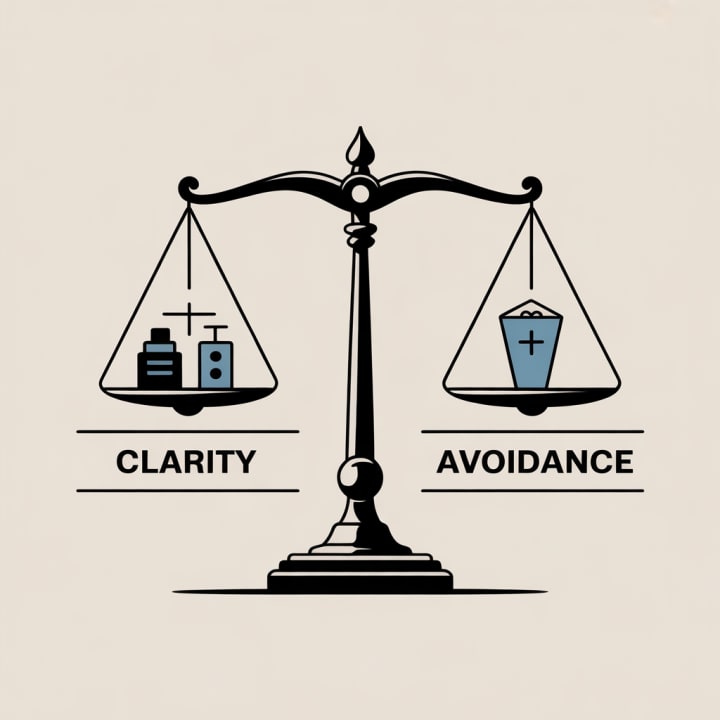
After delaying, do you feel clearer or heavier?
Clarity means the delay served you.
Heaviness means avoidance took over.
Why Small Actions Feel Safer Than Big Ones
Your brain doesn’t respond to goals. It responds to threat size.
Big actions:
Trigger identity fear
Feel irreversible
Invite judgment
Small actions:
Feel reversible
Carry low emotional cost
Reduce resistance
That’s why “write one sentence” works better than “write the chapter.”
Procrastination fades when action feels survivable.
Reframing Action as Safety, Not Danger
To move past procrastination, action must be redefined.
Instead of:
“This action proves something about me”
Shift to:
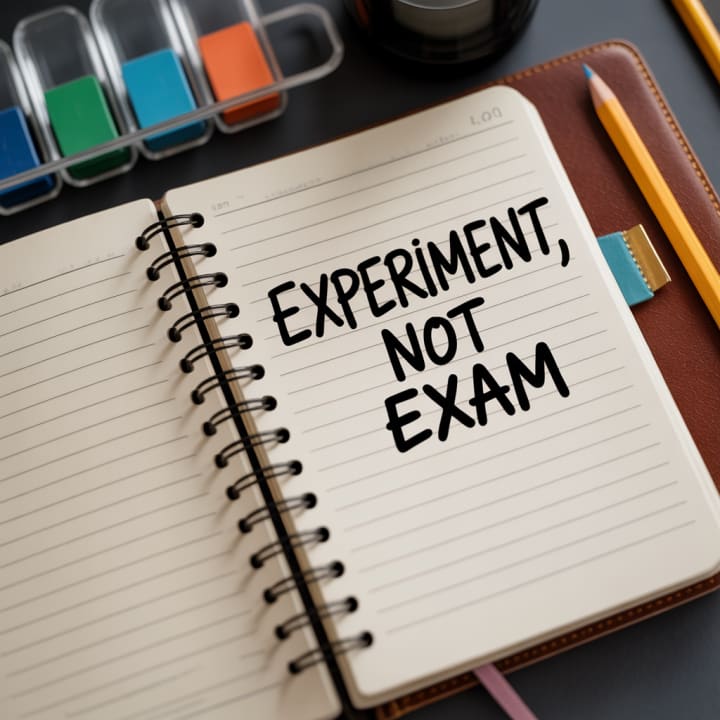
“This action is information, not judgment”
You’re not trying to succeed.
You’re trying to learn.
When action stops being a verdict on your worth, your brain stops panicking.
What Actually Helps (Without Forcing Yourself)
Lower the emotional stakes of starting
Focus on showing up, not outcomes
Create actions so small they feel almost pointless
Stop waiting to feel confident before acting
Accept discomfort as part of movement, not a warning sign
Procrastination weakens when action no longer feels like a threat to your identity.
Conclusion: Procrastination Isn’t the Enemy
Procrastination isn’t your enemy. It’s a signal.
It tells you:
Something feels unsafe
Something feels exposing
Something feels bigger than your nervous system wants to handle
When you listen instead of attack yourself, you regain control.
Action doesn’t require courage first.
Courage often appears after movement.
Procrastination feels safer than action because safety is familiar.
But safety doesn’t grow you.
Action does, slowly, imperfectly, and honestly.
Regards,
Muhammad Haris Khan
Note: If this article resonated with you and helped guide you in a better direction, consider liking it, following, and sharing it with your friends.
Thank you for your valuable time.
About the Creator
Muhammad Haris khan
Why its so hard to write about myself?
simply My Name is Haris Khan I am studing Master in creative writer, Having 4 years of experience in writing about a wide range of things, fiction,non-fiction and specially about the psychy of humans
Keep reading
More stories from Muhammad Haris khan and writers in Psyche and other communities.


Comments (1)
it is really amazing article on how to treat procrastination. the way you solved the problem is mind-blowing, All your article are out standing, keep it up because your are doing very well