
Marshall Aces
Marshall Aces Audit for Providing C-130H Maintenance Training in Compliance with New Regulations

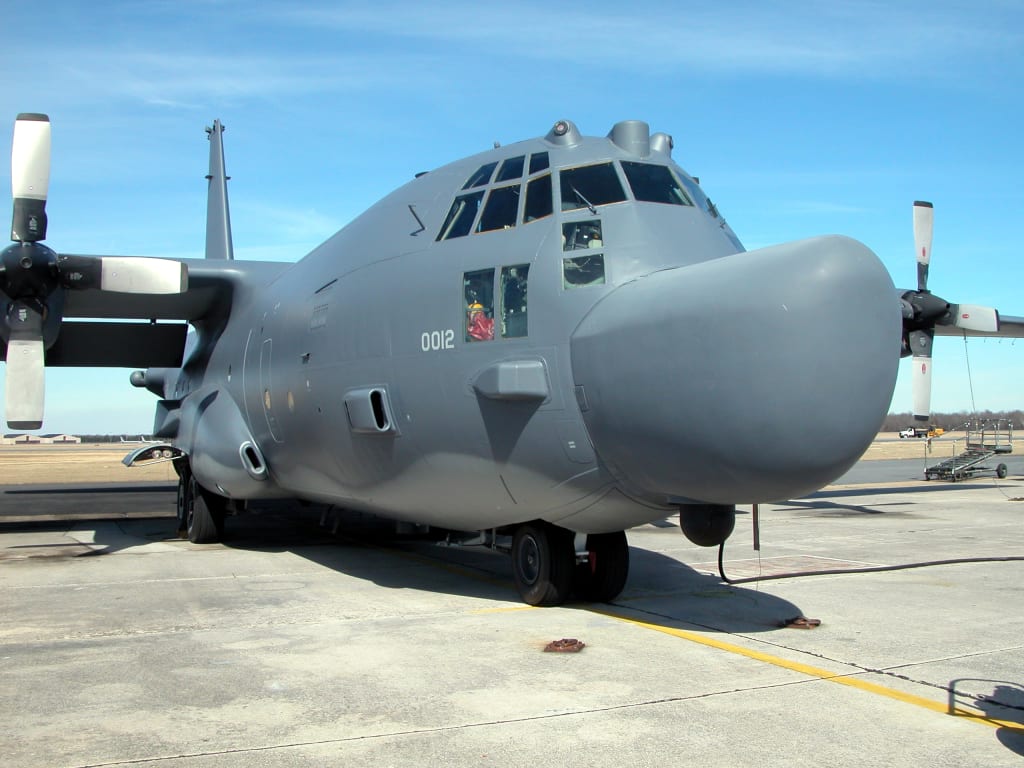
In a major milestone for the aviation and defense sector, Marshall has successfully gained approval to provide maintenance training for the Royal Netherlands Air Force's (RNLAF) C-130H fleet. This approval, granted by the Netherlands Military Aviation Authority (NLD-MAA), signifies that Marshall is fully compliant with the newly updated European Military Airworthiness Requirements (EMAR) for aircraft maintenance organizations (NLD-MAR-147).
A Rigorous Audit and Thorough Process
The approval process was not a simple task. It involved a comprehensive audit of Marshall’s training syllabus, materials, staff qualifications, and facilities. The NLD-MAA auditors were impressed with Marshall’s dedication, specifically highlighting the “huge amount of work” that went into preparing for the audit. Their review noted Marshall’s “very professional approach” throughout the entire process, leading to exemplary ratings in every area of the audit.
This achievement is particularly noteworthy because it marks Marshall’s first Military Aviation Authority (MAA) type training approval for C-130H maintenance under the new regulations. The fact that Marshall passed the audit with flying colors not only validates their adherence to stringent new regulations but also sets the stage for faster approvals in the future for other operators looking for similar training.
Marshall’s Long-Standing Relationship with RNLAF
Marshall’s relationship with the RNLAF has been long and enduring. The company has been supporting the C-130H fleet since 1966, contributing to its maintenance and operational readiness for decades. In 2018, Marshall signed a 14-year contract to sustain the RNLAF’s C-130H fleet, ensuring that the aircraft would remain in service until its out-of-service date.
The recent approval coincides with the renewal of a four-year total sustainment contract between Marshall and the RNLAF, reinforcing the strength of their partnership. The renewal ensures that Marshall will continue to play a critical role in maintaining the fleet and providing training services, further solidifying their position as a trusted partner in the military aviation sector.
Are Military Aircraft Subjected to Airworthiness Directives Like Airliners?
One of the critical factors ensuring the safety and reliability of both commercial and military aircraft is the enforcement of airworthiness directives (ADs). These directives are issued to address various safety concerns related to aircraft operations. While most people associate ADs with commercial airliners, military aircraft also undergo similar processes to ensure they are fit for flight.
The Role of Airworthiness Directives (ADs)
Airworthiness Directives serve the primary function of addressing identified safety issues that could compromise the operational safety of an aircraft. For commercial airliners, ADs are public and available through systems like the Federal Aviation Administration’s (FAA) Dynamic Regulatory System (DRS). However, the situation with military aircraft is different.
Military aircraft, such as fighter jets and cargo planes, must meet airworthiness requirements to ensure the safety of their crews and maintain their operational capabilities. Like commercial airliners, military aircraft are regularly subject to airworthiness evaluations that may result in directives to resolve safety issues. However, the transparency and accessibility of these directives can vary significantly.
Military Aircraft Airworthiness
In many cases, military aircraft follow a similar protocol to airliners when it comes to airworthiness. For example, military authorities issue airworthiness bulletins (AWBs), which provide guidance on safety measures for specific aircraft. These bulletins serve a role similar to ADs but are often kept within the military community and not made public due to security concerns.
Military airworthiness bodies, such as the United States Air Force's Technical Airworthiness Authority (TAA) or the Australian Department of Defence’s Defence Aviation Safety Authority (DASA), are responsible for enforcing these safety standards. These bodies issue directives and bulletins when they determine that an aircraft, or its components, pose a potential safety risk. This includes situations where a fault has been discovered, or where the risk of failure is deemed high based on inspections, operational data, or intelligence.
Why the Secrecy?
While ADs for commercial aircraft are often readily accessible to the public, the same is not always true for military aircraft. The primary reason for this difference is security. Information about potential vulnerabilities in military aircraft, such as faults in a fighter jet’s engine or the fuselage of a transport plane, can be sensitive. If this data were publicly available, it could provide valuable intelligence to adversaries. This is why most ADs for military aircraft, especially for advanced fighter jets like the F-35 or F-22, are kept restricted and are only available to the concerned design approval holders and military authorities.
In contrast, some ADs for military aircraft are accessible to the public when the safety issue does not pose a risk to national security. For example, the FAA has published ADs for the Lockheed Martin C-130 Hercules, addressing specific safety concerns like fuselage structural integrity. These directives ensure that aircraft operators and maintenance teams can take the necessary actions to rectify the issues, thereby preventing accidents and ensuring the continued safe operation of the aircraft.
Grounding of Military Aircraft
Just like in the commercial sector, military aircraft can also be grounded if an airworthiness issue is identified. For instance, in November 2023, the U.S. military grounded its Bell Boeing V-22 Osprey tiltrotor aircraft following a crash. This prompted the U.S. Navy to issue a grounding bulletin for all V-22 aircraft, based on preliminary findings that suggested a material failure could have contributed to the mishap.
These incidents underline the importance of strict adherence to airworthiness procedures for military aircraft. The actions taken in response to safety issues show that the military holds its aircraft to the same rigorous standards as commercial operators do, although the transparency surrounding such issues can be much more limited.
A Complex Landscape
The landscape of airworthiness for military aircraft is complex, with some directives and bulletins being shared publicly, while others remain classified. Nevertheless, just as in the commercial sector, ensuring the airworthiness of military aircraft is critical to maintaining safety and mission readiness. Whether it’s the Australian Defence Force’s regulations or U.S. Air Force’s ongoing monitoring, the importance of airworthiness oversight for military aircraft remains a priority in both military and civilian aviation communities.
In summary, military aircraft are certainly subject to airworthiness standards, including the issuance of directives or bulletins. While these are often not as accessible as those for airliners due to security concerns, the processes in place ensure that these aircraft remain safe and ready for operations.
The Future of C-130H Maintenance and Training
The approval for C-130H maintenance training is just one of many steps Marshall has taken to enhance its role in military aircraft maintenance, repair, and overhaul (MRO). With this new capability, Marshall is now in a position to offer comprehensive training services that meet the highest standards of military aviation.
According to Mark Hewer, Business Line Director for Aero Engineering Services at Marshall, the approval will enable Marshall to streamline future training approvals, making the process faster for other operators. This, in turn, will bolster Marshall’s reputation in the military MRO sector and open up opportunities for providing similar services to other air forces and military entities.
Looking Ahead
Marshall’s successful audit and approval demonstrate its commitment to providing top-tier training and maintenance support for military aircraft, ensuring that operators like the RNLAF can rely on their expertise for the long-term sustainability of their fleets. As the company continues to strengthen its partnerships and expand its capabilities, the future of military aircraft maintenance and training looks brighter than ever.
With decades of experience supporting the C-130 platform and a proven track record in military aviation, Marshall is poised to lead the way in providing high-quality maintenance services under the new EMAR regulations. Their dedication to excellence not only benefits the RNLAF but also positions them as a key player in the global military aviation MRO industry.
For those interested in learning more about Marshall’s maintenance and training services, stay tuned for more updates as the company continues to expand its role in the military aviation sector.
About the Creator
Horace Was
Essay Writer, Aviation and Technology Expert
Keep reading
More stories from Horace Was and writers in Serve and other communities.
New Missiles Cause a Frenzy
Lockheed Martin has unveiled the Mako missile, a cutting-edge air-launched hypersonic weapon designed specifically for the F-22 Raptor and F-35 Lightning II, the two most advanced stealth fighters in the U.S. military. The missile, developed over seven years, represents a significant leap in hypersonic technology and could reshape the future of air combat.
By Horace Wasabout a year ago in Serve
Iran's plan to hit $20 billion asset of USA
U.S. Military Deployment Toward Iran Explained Recently, U.S. President Donald Trump confirmed that a large American naval force — including the aircraft carrier USS Abraham Lincoln and several warships — has been sent toward the Middle East amid rising tensions with Iran. Trump described this as a “big armada” heading in that direction, though he also said he hopes conflict can be avoided.
By USA daily update 7 days ago in Serve
Middle East on Edge
Escalation on Multiple Fronts The United States and Iran find themselves in a high-stakes standoff that is drawing global concern. In response to mounting tensions with Tehran, Washington has significantly increased its military footprint in the Middle East. This buildup, which includes naval units, air assets, and joint exercises, comes amid heated rhetoric and conflicting strategic aims that could shape the region’s security environment for months — or years — to come.
By USA daily update 6 days ago in Serve



Comments
There are no comments for this story
Be the first to respond and start the conversation.