
DTF Printing at Home: A Quick Start Guide
Learn how to start DTF printing at home with essential tools, steps, and tips to create high-quality custom apparel easily.

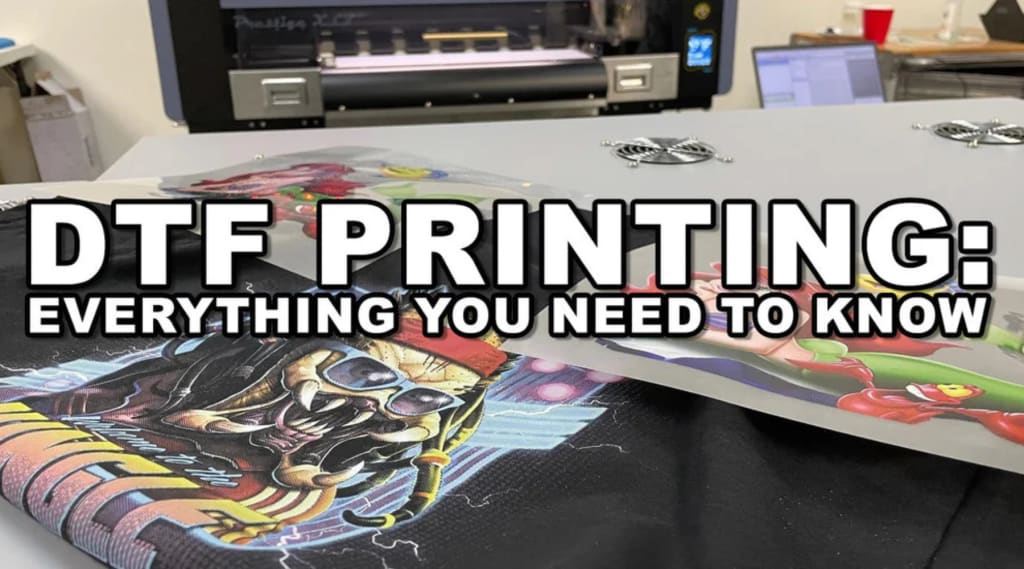
Direct-to-Film (DTF) printing is a game changer in the garment decorating industry these days. Providing the potential to achieve incredible, high-definition, and durable prints on nearly any type of fabric, DTF printing is gaining momentum—especially among home crafters and small business owners. So, what is DTF printing, and how do you begin doing DTF printing at home?
Now we'll get into the how of this new process, what you'll need supplies-wise, and how to start your own DTF print business in your own home.
What Is DTF Printing
DTF printing, or Direct-to-Film shirt printing, is a digital technique where the film is printed onto a particular PET film. Powdered hot-melt adhesive is then applied on top of the fresh printed wet ink. The film is cured using heat and pressed onto an object using a heat press and it permanently burns the design into the material.
The screen printing or digital to garment printing industry is huge with the exception of the DTF process in two manners:
Most significantly, the largest distinction is that DTF does not involve pretreating the mesh screens or shirt. Instead, the film will hold the image, and it can be printed on virtually anything—polyester, cotton, blends, etc.
How Does the DTF Printing Process Work?
DTF printing is very easy and has only a few indispensable steps which can be done in a mini workshop or even at home.
1. Design Making
Design software is employed to make the artwork of producing it for the first time. The picture needs to be turned sideways (mirror image) in order to print it. Good-quality artwork should be employed to get a good print quality.
2. PET Film Printing
The design is subsequently printed on PET film using a particular DTF printer or by adapting an inkjet printer to use DTF inks. White ink usually ends up being printed last since it's the background that allows the design to be readable on dark substrates.
3. Hot-Melt Adhesive Powder Application
After printing, hot-melt powder shall receive a light coating over newly printed ink. Powder is cloth and film temporary adhesive.
4. Powder Curing
Once the even layer of powder has been laid, the film is cured with heat in the form of a heat press, oven, or curing station, where the powder melts and dries. This prepares the film for transfer.
5. Heat Pressing to the Fabric
The film cured is then pressed onto cloth between 320–340°F for 15–20 seconds in a heat press. The heat and pressure are most critical here to transfer successfully.
6. Peeling the Film
Peel-off PET film on cooling thus leaving printed colored design on clothing. Few-second finish press assists in establishing the print and making it resistant.
Why DTF Printing
Why DTF printing? Because it offers the following benefits that have earned it a professional and amateur favorite:
- No Pretreatment Necessary: DTF is not a pretreating process on clothing prior to imaging the picture.
- Works Well on Most Substrate: DTF works great on cotton, polyester, blends, and even on some novelty substrates like nylon or leather.
- Bright and Crisp Colors: DTF produces bold, full-color prints with enhanced definition and acuity, even on black substrate.
- Wash Resistance and Longevity: DTF prints from as little as to be able to withstand several washes without fading or cracking.
- Low One-Time Set-Up Fee for Small Prints: Best for small print runs, small businesses, and one-time only special custom products.
Can I Print DTF at Home?
Yes. DTF printing is more accessible now because it is cheaper to convert the printer, small heat presses are available, and you can find good-quality consumables at a reasonable price. You can start producing custom t-shirts, hoodies, tote bags, and many more with a bit of trial and effort and a minimal upfront cost.
Materials Required for Home DTF Printing:
- DTF Printer or Converted Inkjet Printer
- DTF Inks (CMYK + White)
- PET Transfer Film Sheets
- Hot-Melt Adhesive Powder
- Heat Press
- Curing Tool (Heat Gun, Oven, or Heat Press)
- Design Software and RIP Software (to print layering properly)
Step by Step How to Make DTF Print at Home
Step 1: Prepare Your Workspace
Select a clean and dust-free area in which to powder, press, and print. Proper ventilation must be practiced when curing the powder glue.
Step 2: Print and Prepare Your Design
RIP the image in RIP software to create the proper print order (white and CMYK). Print on the PET film with your DTF printer.
Step 3: Apply Adhesive Powder
Evenly sprinkle hot-melt powder over the film immediately after the ink is wet. Gently shake off the excess powder.
Step 4: Cure the Powder
Use curing oven or heat press (hover mode) to warm the powder but not to press the film. Adhesive will be dry and shiny when completely cured.
Step 5: Transfer the Design
Pre-press garment to allow water and wrinkles to escape. Place film on garment, ink side down, and press in accordance with recommended temperature and pressure.
Step 6: Peel and Finish
Let the film warm up first before hot peel (or peeling). Finish the job by last press under a Teflon sheet for a few seconds to seal the design in.
Home Tips to get Good Results
- Make use of good-quality films and ink so as to print error-free prints.
- Calibrate your printer and heat press sometimes for consistency.
- Trial on waste paper to determine the optimum temperature and pressure conditions.
- Keep your print heads clear and clean inside your printer for smooth ink flow.
- Store your powders and films in a cool, dry place to preserve their integrity.
DTF printing is revolutionizing custom t-shirt printing—and all custom apparel production—especially for fashion designers needing exciting prints without the hassle of conventional screen printing. Whether you require making a small batch of apparel pieces, designing specialty gifts, or opening a print-on-demand venture, home-based DTF printing provides the convenience, quality, and versatility to bring your art to life.
With the right equipment, a bit of practice, and a bit of imagination, DTF printing can be an enjoyable and rewarding addition to your home-based business or side business. Try it out today and discover for yourself.
About the Creator
Deborah Larson
Deborah Larson is a professional writer and lifelong learner who shares her knowledge, insights and creative thoughts through her blog.
Keep reading
More stories from Deborah Larson and writers in Styled and other communities.
DTF Printing Explained: Everything You Need to Know
T-shirt printing has evolved a long way from the ancient ways of having it done, and one of the methods that are currently taking the lead is DTF printing. Direct-to-Film printing is what DTF stands for, and you can make stunning, long-lasting designs using it which you can print on various fabrics.
By Deborah Larson6 months ago in Styled
Latest Trends in Men’s and Women’s Fashion 2026
Fashion is an ever-evolving industry, constantly influenced by cultural shifts, technological advancements, and individual expression. As we move into 2026, both men’s and women’s fashion are seeing innovative styles, fresh colors, and sustainable practices dominating the global market. From streetwear to luxury couture, the current trends are blending comfort, functionality, and high fashion in unique ways.
By Emilia Vizcarra7 days ago in Styled




Comments
There are no comments for this story
Be the first to respond and start the conversation.