
Essential Supplies Every Soap Maker Needs
Essential Supplies Every Soap Maker Needs

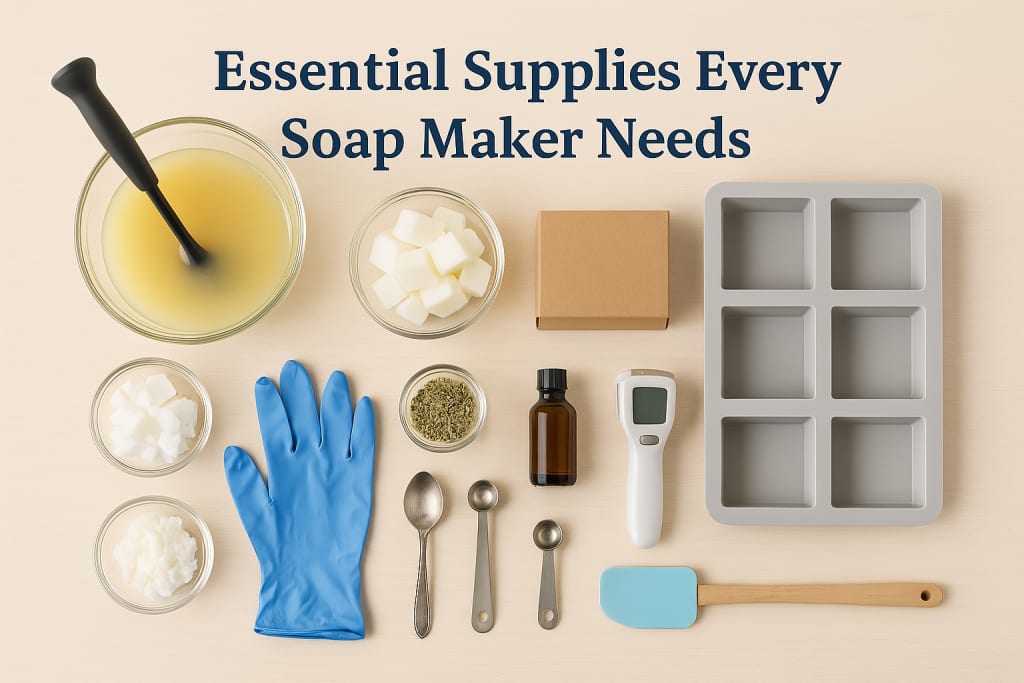
Soap making is an art that blends creativity with science, resulting in handcrafted products that are both functional and beautiful. Whether you're a beginner or a seasoned soap maker, having the right supplies is essential to producing high-quality soaps. In this article, we'll walk you through the necessary items every soap maker should have, from basic ingredients to specialized tools.
What does every soap maker need?
Before diving into soap making, it’s important to understand the basic supplies that serve as the foundation of the craft. The primary ingredients for soap making are oils, lye, and water. However, there’s more to it than just these essentials. As a soap maker, you'll need to choose the right oils (like olive, coconut, or palm oil) depending on the texture and properties you want your soap to have. The oils are combined with lye, which initiates a chemical reaction called saponification. The result is soap!
Additionally, soap makers often use natural additives like essential oils, colorants, botanicals, and exfoliants to personalize their creations. Essential oils, for instance, not only provide fragrance but also offer therapeutic benefits. Herbs and spices can be added to enhance texture and appearance. It's also common to incorporate natural colors using clays or plant-based colorants for a unique touch.
Water is another vital component, as it is used to dissolve the lye before mixing with the oils. While some experienced soap makers might opt for alternative liquids such as milk or tea, beginners can start with simple distilled water.
What are the tools needed for soap making?
Soap making requires a specific set of tools that ensure both safety and accuracy. Here's a breakdown of the essential tools every soap maker needs:
- Mixing Bowls: You’ll need heat-resistant mixing bowls, preferably made of stainless steel or tempered glass. These bowls are used to combine oils, lye solution, and other ingredients.
- Measuring Cups and Spoons: Precision is key in soap making, so having accurate measuring tools is important. A digital kitchen scale is a must for measuring oils, lye, and additives by weight.
- Thermometers: Both the oils and the lye solution must be brought to the right temperatures before mixing. A thermometer is essential to ensure the process goes smoothly.
- Blender/Stick Blender: To speed up the emulsification of oils and lye, a stick blender or immersion blender is used. This tool helps achieve a smooth consistency, ensuring the soap mixture reaches the "trace" stage, where it’s thick enough to pour into molds.
- Soap Molds: After the soap is blended, it needs to be poured into molds to take shape. There are various mold types, from silicone molds that make it easy to remove the soap, to wooden molds for traditional soap bars. Molds come in a variety of shapes and sizes, giving you the flexibility to create different soap designs.
- Spatulas and Spoons: Silicone spatulas and wooden spoons are great for stirring your soap mixture. They’re also handy for scraping every bit of your soap mixture into the mold.
- Safety Gear: Lye can be dangerous, so safety should be a top priority. Always wear gloves, goggles, and long sleeves when handling lye. Ensure you're working in a well-ventilated area to avoid inhaling fumes.
- Parchment Paper or Liner: To prevent your soap from sticking to the mold, lining it with parchment paper or a silicone liner is recommended.
What do you need to start a soap making business?
If you’re considering turning your soap-making hobby into a business, there are a few additional considerations. While the basic supplies are necessary, the business side of soap making requires more planning. Here’s what you need:
- Suppliers: Building relationships with reliable suppliers for oils, lye, fragrances, and other ingredients is crucial. Buying in bulk can help reduce costs, but you must ensure that the quality remains consistent.
- Labeling and Compliance: Soap makers selling their products must adhere to regulations, including labeling laws. You’ll need to include ingredients, your business name, contact information, and the weight of the product. Ensuring your soap complies with the FDA regulations for cosmetics is essential.
- Packaging Materials: Presentation plays a key role in attracting customers. Packaging your soaps in eco-friendly, attractive soap packaging boxes can help elevate your brand and make your products stand out. Consider using biodegradable or recyclable packaging for an environmentally friendly touch.
- Branding and Marketing: To succeed in the soap-making business, you’ll need a strong brand identity. This includes logo design, packaging, and an online presence through a website or social media. Make sure to tell the story behind your soaps, highlighting the unique ingredients and benefits they offer.
- Pricing and Financial Planning: It's important to set competitive prices while factoring in material costs, packaging, and labor. Tracking expenses, profits, and taxes is essential for running a successful business.
- Storage: As your business grows, you'll need adequate storage for ingredients, completed soaps, and packaging materials. A clean, dry space is essential for storing raw materials and finished products to prevent contamination.
What to buy for soap making?
When you're ready to purchase your soap making supplies, here's a list of essential items to add to your shopping cart:
- Oils: A variety of oils, including coconut oil, olive oil, shea butter, and palm oil, are essential for creating different textures and properties in your soap.
- Lye (Sodium Hydroxide): This is the key ingredient that causes the soap-making reaction. Always buy lye in its purest form for safety and effectiveness.
- Essential Oils and Fragrances: Choose high-quality essential oils for fragrance and therapeutic benefits. You can also experiment with fragrance oils, but ensure they are suitable for soap making.
- Colorants: From natural clays to mica powders, colorants add a pop of color to your soap. Make sure the colorants you choose are safe for skin.
- Botanicals and Additives: Adding dried flowers, herbs, oats, or coffee grounds can give your soap texture and additional skin benefits.
- Soap Molds: Consider a variety of molds to experiment with different shapes and sizes. Silicone molds are easy to use and clean.
- Mixing and Stirring Tools: Ensure you have enough bowls, spoons, and spatulas to handle different ingredients. Don’t forget to get a good stick blender for faster mixing.
Conclusion
Soap making is a rewarding and creative journey that combines artistry with chemistry. Whether you're crafting soap as a relaxing hobby or launching your own small business, having the right supplies makes all the difference. From essential oils and molds to safety gear and packaging materials, each tool plays a vital role in the process. As you gain experience, you'll develop your own preferences for ingredients and techniques, but starting with the right foundation sets you up for success. With a little investment in quality supplies and a passion for crafting, you’ll be well on your way to producing beautiful, skin-loving soaps that people will love to use—and buy!
About the Creator
How to Color Human Hair Wigs
Let's talk about wigs. And I mean good wigs. Real human hair wigs. Why? Because they changed my game completely. I remember my first wig. It was cute, but it was synthetic. I couldn't touch it with heat. I couldn't match my dye job. It was a struggle, for real!
By manman zhai7 days ago in Styled
Festive Georgette Salwar Kameez Without Heavy Embellishment
Festive dressing in 2026 looks very different from what it used to be. Instead of heavily embellished outfits that feel tiring after a few hours, women are choosing styles that feel light, comfortable, and easy to carry. One outfit that fits perfectly into this shift is the festive georgette salwar kameez without heavy embellishment.
By Amit Mandal2 days ago in Styled
A Letter to the Firestarter
Dear Firestarter, We can all see you, we've been watching you since you began. In case you didn't know we were here before you and we will be here after. We witnessed your rise, your setbacks, your guilt and your lies. We witnessed you start the fire.
By Donny Foley6 days ago in Poets




Comments
There are no comments for this story
Be the first to respond and start the conversation.