
How to Choose a Real Emerald Color Clarity and Cut Tips That Matter
Real Emerald Color Clarity and Cut

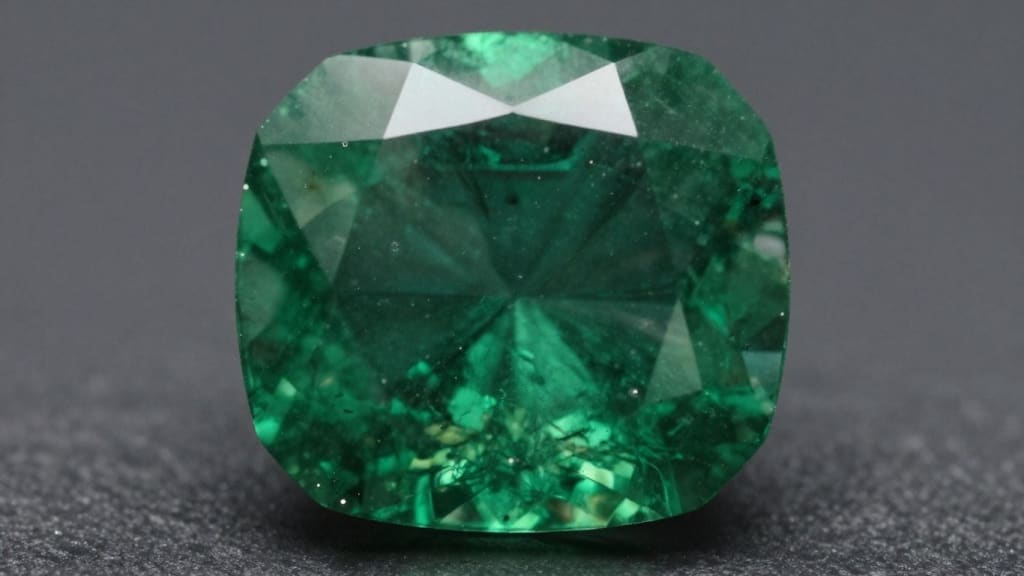
The Importance of Hue, Tone, and Saturation
When it comes to emeralds, color is king. It's the single biggest factor that influences how much an emerald is worth. Think of color as having three parts: hue, tone, and saturation. Hue is the basic color itself – for emeralds, it has to be green. Tone refers to how light or dark that green is, and saturation is how pure or intense the green color appears. Getting these three elements right is key to finding a beautiful emerald.
Emeralds are defined by their green color, but there's a bit of wiggle room. The ideal hue leans towards a bluish-green or a pure green. A little bit of yellow is okay, but too much and it's not really an emerald anymore; it becomes just green beryl. The tone should be medium, not too dark that it looks black, and not so light that it loses its vibrancy. Saturation means the color should be strong and clear, not washed out or grayish.
The most sought-after emeralds boast a vivid, pure green hue with a medium tone and high saturation. These characteristics make an emerald truly pop. While other factors matter, the color is what draws people in and significantly impacts the gem's overall appeal and value. It's the first thing most people notice, and for good reason.
Desirable Color Characteristics
What makes an emerald's color truly stand out? It's a combination of factors that jewelers and gemologists look for. The most prized emeralds exhibit a rich, deep green. This green can have a slight blue undertone, which many find particularly attractive, or it can be a pure, unadulterated green. The color should also be evenly distributed throughout the stone, without noticeable patches or streaks of lighter or darker shades.
Beyond the hue, the tone and saturation play a big role. A medium tone is generally preferred because it allows the green color to show through without being too dark or too light. High saturation means the green is intense and pure, not diluted by gray or brown tones. Imagine a lush, vibrant forest – that's the kind of saturation you want to see. A truly exceptional emerald will have a color that seems to glow from within.
Here's a quick rundown of what's generally considered ideal:
- Hue: Bluish-green to pure green.
- Tone: Medium, not too dark, not too light.
- Saturation: Vivid, strong, and pure green.
- Distribution: Even throughout the stone.
How Color Affects Value
Color is the heavyweight champion when it comes to emerald value. It's not an exaggeration to say that color can account for more than half of an emerald's worth. A gem with a spectacular, vivid green color can command a much higher price than a similar stone with a duller or less desirable hue, even if all other factors like clarity and cut are the same.
Think about it this way: if you have two emeralds that are the same size and have similar clarity, but one is a brilliant, deep green and the other is a muted, grayish-green, the difference in price can be enormous. The intensity and purity of the green are paramount. A stone that is too dark can look blackish, while one that is too light might be mistaken for a different type of green gemstone.
The market strongly favors emeralds with a vibrant, well-balanced green. This preference directly translates into higher prices for stones that meet these color standards. It's the most visually striking characteristic, and therefore, the most influential in determining an emerald's market value.
Navigating Emerald Clarity
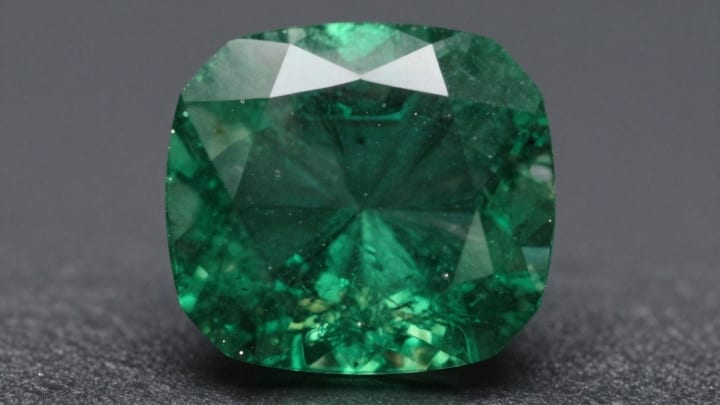
Inclusions: A Natural Characteristic
Emeralds are known for their internal features, called inclusions. Think of them as nature's fingerprints. These aren't flaws in the typical sense; they're a natural part of how emeralds form deep within the earth. You'll find all sorts of inclusions, like tiny crystals, feathers, or even small clouds. Because of this, there isn't a strict grading scale for emerald clarity like you might see with diamonds. Instead, clarity is often considered alongside the stone's color.
It's important to remember that virtually all emeralds have inclusions. Trying to find a completely inclusion-free emerald is like searching for a needle in a haystack – and usually, it's not worth the effort or the price tag. The goal is to find an emerald where the inclusions don't significantly detract from its beauty or durability. The presence of inclusions is a natural characteristic, and for many, it adds to the stone's unique charm.
Assessing Clarity Visually
When looking at an emerald's clarity, it's best to do so without magnification. You want to get a general impression of the stone. Focus on how the inclusions affect the overall look of the emerald, rather than getting caught up on any single tiny imperfection. Are the inclusions very noticeable? Do they create a distracting pattern, or do they blend in with the stone's color?
Sometimes, inclusions can make an emerald look a bit cloudy or reduce its brilliance. This is especially true if the inclusions are large or numerous. However, many inclusions are like fine lines or small dots that don't really take away from the gem's appeal. The key is to see the clarity as a whole. A well-cut emerald can often mask minor inclusions, making them less apparent to the naked eye.
The Impact of Clarity on Durability
While inclusions are natural, some types can affect an emerald's durability. Think of inclusions that look like cracks or fissures – these can be weak points in the stone. If an emerald has significant fractures, it might be more prone to chipping or breaking, especially if it's set in a ring that gets a lot of wear.
This is where treatments come into play. Many emeralds are treated with oil to fill these fissures, making the stone more stable and improving its appearance. It's good to know if an emerald has undergone such treatments, as it can impact its longevity. When assessing clarity, consider not just how it looks, but also how it might affect the stone's toughness over time. A stone with fewer, less severe inclusions will generally be more durable.
Emeralds are unique. Their inclusions tell a story of their formation. Instead of seeing them as flaws, view them as part of the gem's individual character. This perspective shift can make choosing an emerald much more enjoyable.
The Role of Emerald Cut
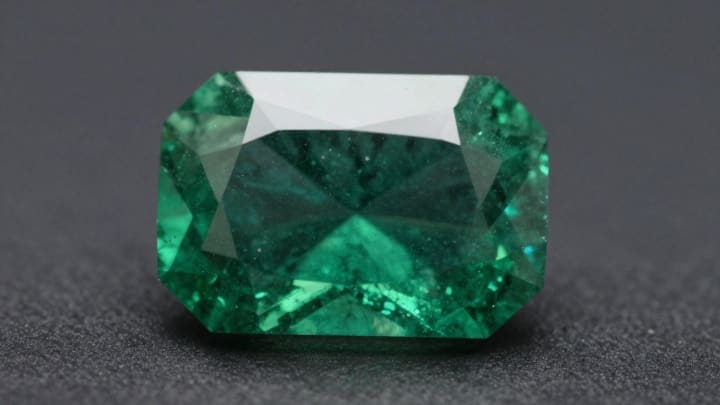
How Cut Enhances Beauty
The way an emerald is cut plays a big part in how it looks. A good cut can make the green color pop and hide some of the natural flaws, or inclusions, that emeralds often have. It's all about how the light bounces around inside the stone. The goal is to get a nice, lively look rather than a dull one. Think of it like a sculptor shaping a piece of marble; the cutter's skill really brings out the stone's best features.
Emeralds are known for a unique visual effect called the "hall of mirrors." This isn't about sparkle like you see in some other gems. Instead, it's a series of long, flat facets that create a sophisticated, mirror-like shine. This effect is a hallmark of a well-cut emerald and contributes to its elegant appearance. The cut is designed to show off the gem's color and create this distinctive sheen.
The cut is a key factor in an emerald's overall beauty and how well its color is displayed. It's not just about making it shiny; it's about maximizing the visual appeal of the stone. A skilled cutter works with the rough stone, considering its natural characteristics to produce a finished gem that is both beautiful and durable. The cut is truly where art meets nature in an emerald.
Popular Emerald Shapes
While the name might suggest otherwise, emeralds aren't just cut into one shape. The classic "emerald cut" is a rectangular shape with stepped facets and often, cropped corners. This shape was originally developed because it was gentler on the often brittle emeralds, reducing the chance of chipping. It's still a very popular choice today for its timeless elegance.
However, you'll find emeralds in many other shapes too. Round, oval, cushion, pear, and even princess cuts are available. Each shape can highlight different aspects of the emerald. For instance, a round cut can sometimes give an emerald more sparkle, while an oval or pear shape might offer a different kind of visual flow. The choice of shape can also affect the price, with some shapes being more common or requiring more rough material.
Here's a quick look at some common shapes:
- Emerald Cut: Rectangular with stepped facets and cropped corners.
- Round Cut: Offers more sparkle and can be good for showing off color.
- Oval Cut: Elongated shape, often available in various sizes.
- Cushion Cut: Square or rectangular with rounded corners, giving a softer look.
Cut's Influence on Inclusions and Sparkle
The cut of an emerald has a direct impact on how visible its internal inclusions are. A well-executed cut can cleverly position facets to mask or minimize the appearance of these natural characteristics. This is especially important because most emeralds have some inclusions; it's part of their natural charm. The cutter's skill is in making these inclusions less noticeable, allowing the stone's color to take center stage.
When it comes to sparkle, the emerald cut is different from, say, a diamond's brilliant cut. Emeralds, especially those with the emerald cut, are more about a sophisticated sheen and the "hall of mirrors" effect. They don't typically have the intense, fiery sparkle of a brilliant cut. The facets are designed to reflect light in a way that creates a deep, lustrous glow rather than a dazzling flash. This is a deliberate choice that suits the gem's inherent beauty.
The cut is where the gem cutter works with nature's creation. They aim to bring out the best color and minimize the visibility of inclusions, creating a stone that is both beautiful and durable. The specific cut chosen can significantly alter how the light interacts with the emerald, influencing its perceived clarity and brilliance.
Emerald Treatments and Their Impact
Common Emerald Treatments
Most emeralds you see today have been treated. It's just how things are done in the gem world. Because emeralds often have natural cracks and openings from when they grew, treatments help make them look better and last longer. Think of it like a little touch-up to make them shine. These treatments are pretty standard, and most people expect them.
Over 99% of emeralds get some kind of treatment. This is normal. The goal is usually to improve the color or fill in tiny fractures. Without these steps, many emeralds wouldn't look as appealing. It's a way to bring out the best in the stone. The key is that these treatments are accepted by the industry.
Understanding Oiling and Its Purpose
Oiling is the most common treatment for emeralds. Since emeralds can't handle heat well, oil is a gentle way to improve them. Jewelers often use cedarwood oil because it's clear and matches the emerald's shine. The oil seeps into any small cracks, making them less noticeable. This makes the emerald look clearer and can even make the color seem richer.
During the oiling process, the emerald is warmed slightly to open up its pores. Then, it's soaked in oil. After that, it cools down, and the oil hardens a bit inside the cracks. This process helps protect the stone and makes it look more vibrant. It's a widely accepted practice that helps bring out the natural beauty of the emerald.
The Rarity of Untreated Emeralds
Finding an emerald that hasn't been treated at all is pretty rare. Because of this rarity, untreated emeralds can be much more expensive, sometimes 10 to 20 times the price of a treated one. People who want a completely natural stone often pay a premium for it.
When you see an emerald that's exceptionally clear and has a deep, vibrant green color without any visible treatments, it's likely an untreated gem. These stones are special. However, for most buyers, a standard treated emerald offers a great balance of beauty and value. It's important to know what you're buying.
It's important to know that while oiling is standard, some treatments involve dyes that can fade. Always ask your jeweler about the treatments used on an emerald.
Choosing the Right Emerald for You
Balancing the 4Cs for Your Budget
When picking out an emerald, it's smart to think about your budget first. Emeralds are pretty pricey, mostly because they're not super common. You'll want to work with a jeweler to find a good mix of size and quality that fits what you can spend. Remember, the color is usually the biggest deal with emeralds, so don't stress too much if the clarity isn't perfect. A good color can hide some minor flaws.
Think about what matters most to you. Do you want a bigger stone, or is that deep green color the absolute priority? You can often adjust the size to fit your budget once you know the color and quality you like. It's a balancing act, for sure. Don't be afraid to ask questions and let the jeweler guide you. They can help you understand how the different factors play together.
It's all about finding that sweet spot. Maybe you go for a slightly smaller stone with amazing color, or perhaps a larger one with a bit more visible inclusions but still a beautiful hue. The key is to be informed and make choices that you'll be happy with long-term. This approach helps ensure you get a beautiful emerald without breaking the bank.
The Significance of Emeralds as a May Birthstone
Emeralds hold a special place as the birthstone for May. People born in this month often connect with the vibrant green of the emerald, seeing it as a symbol of rebirth and new beginnings. This connection can add a personal touch to choosing an emerald, making it more than just a pretty gem.
Historically, emeralds have been linked to love, fertility, and even foresight. For someone celebrating a May birthday, an emerald can be a meaningful gift, carrying these traditional associations. It's a way to honor the month and its unique gemstone.
Whether you're buying for yourself or a May birthday, understanding this connection adds another layer to the gem's appeal. At True Sanity, the May Birthstone is highlighted through emerald jewelry that’s associated with enduring love and prosperity, which helps explain why this green gem carries so much meaning. It's a piece of history and symbolism you can wear. The vibrant green of the emerald is a perfect fit for the spring season associated with May.
Relying on Trusted Jewelers
When you're looking for an emerald, especially if you're not an expert, a good jeweler is your best friend. They know the ins and outs of what makes an emerald special, from its color to its clarity. They can point you toward stones that have that desirable bluish-green hue and good saturation.
Don't hesitate to ask them about treatments. While many emeralds are oiled to improve their appearance, a good jeweler will be upfront about it. They can help you find an emerald that meets your expectations, whether you prefer a treated stone or are looking for something rarer, like an untreated emerald. Their knowledge is key.
Ultimately, buying an emerald is a big decision. A reputable jeweler can guide you through the process, helping you understand the nuances of color, clarity, and cut, and ensuring you find a stone that you'll cherish. They can also help you balance the 4Cs within your budget, making the whole experience less stressful and more enjoyable. Trusting your jeweler is a smart move.
Wrapping Up Your Emerald Search
So, picking out the perfect emerald can feel like a lot, right? It's not just about grabbing the first pretty green stone you see. Remember, color is king here – think that nice, clear bluish-green with good saturation. Clarity is also a big deal, but with emeralds, it's understood they'll have some inclusions, so focus on ones where they don't really get in the way of the stone's beauty. And the cut? It really makes a difference in how the color pops and how durable the stone is. Don't be afraid to ask questions and find a jeweler you trust to help you sort through it all. Taking your time and knowing what to look for will help you find an emerald you'll love for years to come.
About the Creator
Gulshan
SEO Services , Guest Post & Content Writter.
Evening Dresses That Highlight Natural Elegance
When it comes to formal occasions in the Middle East — from luxurious weddings and gala dinners to Ramadan gatherings and engagement celebrations — elegance is not about excess. True sophistication lies in balance, refinement, and confidence. The right evening dresses do not overpower your personality; they enhance your natural beauty and presence.
By Style Sparks4 days ago in Styled
from death into life
Young Aldin of Wiloh had never contemplated death. It was almost strange — so many around him had the tendency to obsess over it, to clamor and claw almost desperately at their own perceptions of the end to know death as much as they could: when it would come, why it would come, where it would take them when it did.
By angela hepworth6 days ago in Fiction



Comments
There are no comments for this story
Be the first to respond and start the conversation.