
More Than Just a "Wig": A Modern Guide to Men’s Toupees and Hair Systems
Everything You Need to Know About Hair Systems

More Than Just a "Wig": A Modern Guide to Men’s Toupees and Hair Systems
Hair loss is a journey that millions of men embark on, often involuntarily. For a long time, the word "toupee" was associated with unnatural, "obvious" hairpieces that sat awkwardly on the head. However, thanks to advancements in technology and craftsmanship, the modern hair system is a game-changer.
Drawing insights from the hair replacement experts at New Times Hair, this guide dives into everything you need to know about choosing, wearing, and maintaining a high-quality hairpiece to regain your confidence.
What Exactly is a Toupee?
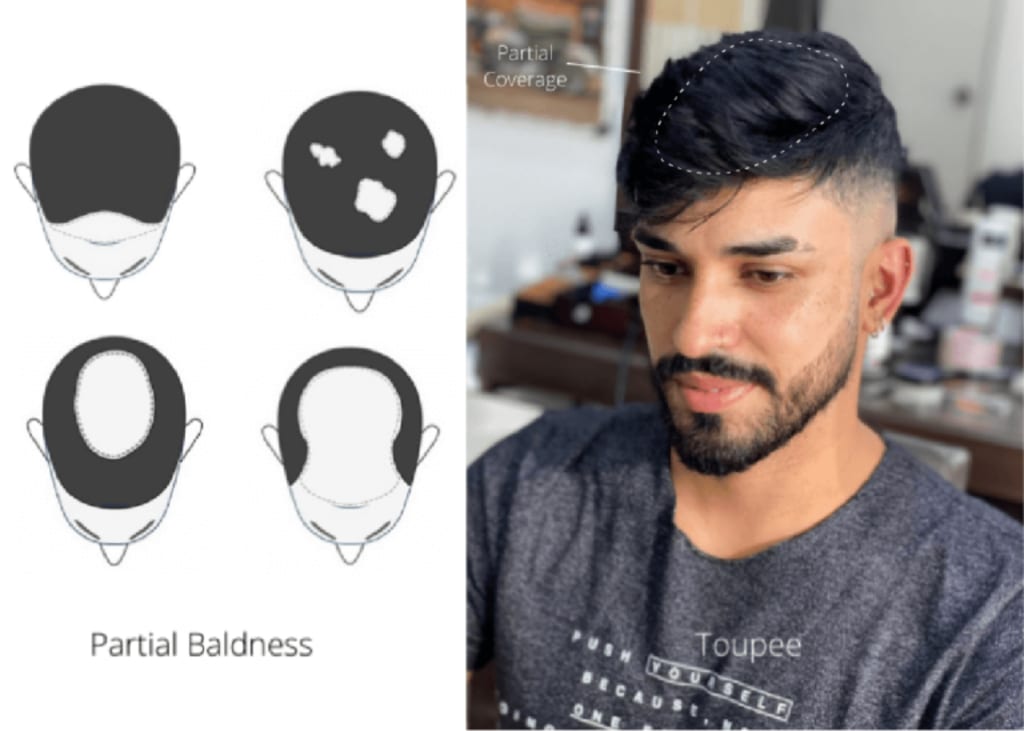
While the terms "wig" and "toupee" are often used interchangeably, they serve different purposes. A wig typically covers the entire scalp, whereas a toupee (or hair system) is a partial hairpiece designed to cover specific areas of hair loss, such as a receding hairline or a thinning crown.
The goal of a modern toupee is seamless integration. By blending the hairpiece with your existing natural hair on the sides and back, the result is virtually indistinguishable from a full head of natural hair.
Understanding the "Base": The Secret to Realism
The "base" is the foundation of the hairpiece. Choosing the right material is the most important decision you will make, as it affects both the look and the comfort. According to New Times Hair, there are four primary materials:
Skin (Bio-skin/Poly): Made from a translucent polyurethane layer, skin bases mimic the look of a real scalp. They are easy to clean and attach, making them a favorite for beginners.
Lace: Known for being incredibly breathable and lightweight. If you live in a hot climate or have an active, sweaty lifestyle, a lace base allows your scalp to "breathe" better than any other material.
Monofilament (Mono): This is a more durable, mesh-like material. It’s slightly thicker than lace but offers a longer lifespan for those looking for a cost-effective, long-term solution.
Silk Top: This involves a layered technique where the hair knots are hidden under a silk layer. When you look down at the "part" of the hair, it looks exactly like hair growing out of skin.
How Do They Stay On?
The fear of a hairpiece "falling off" is a common myth. Modern adhesives are incredibly strong. You generally have three options:
Tape: Great for those who want to remove the piece every few days. It’s easy to apply and clean.
Liquid Adhesive (Glue): Provides the strongest bond. It is ideal for men who want to wear their hairpiece for 2-4 weeks at a time, allowing them to shower, swim, and sleep without worry.
Clips: Best for men who still have enough natural hair to clip the piece onto. This is a non-permanent, daily-wear option.
Top Recommendations for 2026
If you are looking for the gold standard in hair systems, here are three models frequently cited by industry professionals for their quality and realism:
1. The HS25 (Ultra-Thin Skin)
The HS25 is famous for its 0.03mm thickness. It is so thin that it becomes invisible when applied to the skin. It uses a "V-loop" technique (hair is looped through the base without knots), providing the most realistic hairline possible.
2. The HS7 (Full Swiss Lace)
For those who prioritize comfort and breathability, the HS7 is a top-tier choice. The Swiss lace is soft against the scalp and provides an undetectable front hairline, perfect for "brushed back" hairstyles.
3. The HS1 (Thin Skin)
At 0.08mm, the HS1 is slightly thicker than the HS25, offering a perfect balance between a natural look and durability. It typically lasts longer than ultra-thin systems, making it a highly practical choice for the everyday user.
Choosing Your Look: A Final Word
When selecting a hairpiece, remember that "natural" is the goal. This means matching your hair color accurately and choosing a hair density that fits your age. A common mistake is choosing a piece that is too thick, which can look artificial.
Investing in a high-quality toupee is an investment in your self-image. By understanding the technology behind these systems, you can move past the stigma and embrace a solution that looks, feels, and acts just like your own hair.
About the Creator
John Brown
Hair loss & scalp health writer sharing research-based insights, industry trends, and practical solutions. Focused on education, not medical advice.
Keep reading
More stories from writers in Styled and other communities.
10 Afro Curly Half Wig Hairstyles You Must Try
As a Black woman, my relationship with hair has always been a mix of pride, experimentation, and occasional frustration. Between heat damage, the struggle to retain length, and the desire to switch up my look without compromising my natural curls, I’ve turned to half wigs as my secret weapon. They let me keep my edges and a section of my natural hair for a seamless blend, while giving me the freedom to rock bold, curly styles without the commitment. Over the years, I’ve tested countless Afro curly half wigs, and today, I’m sharing 10 that have become staples in my rotation—including a surprising gem: the Burmese curly half wig that low-key stole my heart.
By manman zhai5 days ago in Styled
How to Stop Shoes from Blistering
Shoe blisters are one of the most common and frustrating foot problems for people who walk, work, or exercise regularly. They can turn a normal day into a painful experience, limit your mobility, and even lead to infections if not handled correctly. Most blisters are not caused by a single mistake but by a combination of friction, moisture, pressure, and poorly fitted footwear. Understanding these factors is the first step toward preventing them.
By Robert Davis3 days ago in Styled


Comments
There are no comments for this story
Be the first to respond and start the conversation.