
Saks Fifth Avenue to Shutter Canal Place Location
Luxury retailer closes iconic New Orleans store amid changing shopping trends and rising costs
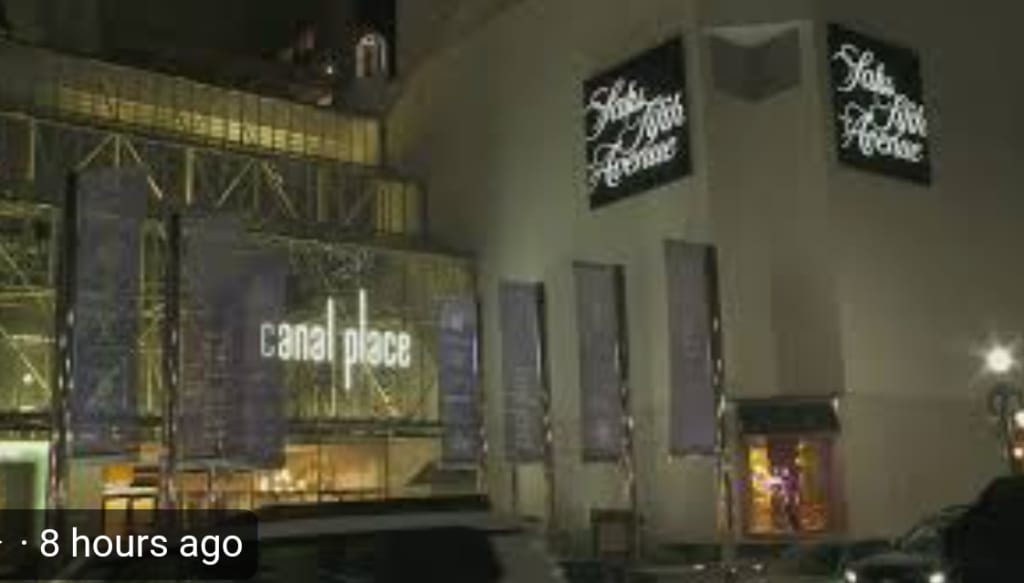
Saks Fifth Avenue, one of America’s most iconic luxury retailers, is closing its Canal Place location in New Orleans. The decision comes amid shifts in shopping behavior, rising operational costs, and the growing influence of e-commerce on traditional retail.
For locals and visitors alike, the Canal Place Saks has long been a symbol of luxury shopping in the city. Its closure marks the end of an era and highlights the challenges faced by high-end retail stores in the modern marketplace.
The Rise and Legacy of Canal Place Saks
Opened decades ago, Saks Fifth Avenue at Canal Place became a premier shopping destination in New Orleans. It attracted shoppers seeking designer brands, high-quality merchandise, and personalized service.
The store was known for:
Designer fashion lines including Gucci, Prada, and Louis Vuitton
High-end cosmetics and fragrances
Exceptional customer service
Hosting seasonal events and exclusive previews
For many residents, it wasn’t just a store—it was a cultural landmark, blending luxury shopping with the city’s vibrant atmosphere.
Why the Closure Happens Now
The announcement of the store closure reflects broader trends reshaping retail:
1. Shifting Shopping Habits
Consumers are increasingly shopping online, and luxury brands are no exception. E-commerce platforms allow shoppers to browse and buy high-end products from anywhere, reducing the foot traffic that once sustained stores like Saks.
2. Rising Operational Costs
Maintaining a large retail location in a prime spot like Canal Place is expensive. Rent, staffing, and utilities can create financial pressure, especially as sales fluctuate.
3. Strategic Business Decisions
Saks Fifth Avenue is streamlining operations to focus on locations with the highest profitability. Closing underperforming stores allows the company to reinvest in e-commerce, smaller boutique locations, and more profitable markets.
Impact on the Local Community
For New Orleans, the store closure is more than a retail story—it affects jobs, tourism, and community identity.
Employment: Staff members face layoffs or transfers, impacting livelihoods.
Tourism: Luxury shopping attracts visitors who combine retail with sightseeing. Losing a flagship store could slightly affect local tourism revenue.
City Identity: Saks has been a fixture on Canal Street, symbolizing high-end shopping and prestige. Its absence leaves a visible gap.
Local shoppers expressed mixed emotions: sadness at losing a favorite store, but understanding the challenges of modern retail.
Luxury Retail in the Digital Age
The Canal Place closure highlights a trend affecting luxury retail globally: the shift from physical stores to digital platforms. Even long-standing brands like Saks must adapt to:
Online-only shopping experiences
Virtual try-ons and digital showrooms
Personalized online customer service
Social media marketing and influencer collaborations
Physical stores are no longer guaranteed destinations; they must offer unique experiences to draw customers.
The Broader Trend in Retail Closures
Saks Fifth Avenue is not alone. Across the country, department stores and luxury retailers are closing underperforming locations to stay profitable. Retailers must balance maintaining prestigious physical locations with investing in technology, logistics, and digital marketing.
Industry analysts predict more closures in urban centers where high rent meets declining foot traffic.
What This Means for Shoppers
For consumers, the closure changes shopping habits:
Those who relied on Canal Place for in-person shopping will turn to nearby stores, online platforms, or other luxury destinations.
Special events, seasonal sales, and in-store experiences are moving online.
Loyalty programs, shipping options, and virtual customer service are now more important than ever.
While the physical presence of Saks may be gone, its brand and offerings will continue online.
A Look at Saks’ Strategy
Saks Fifth Avenue continues to thrive by focusing on:
E-commerce expansion: Offering luxury products with home delivery.
Flagship stores in major cities: Concentrating on locations with high foot traffic and sales.
Luxury partnerships: Collaborating with designers and exclusive brands to maintain prestige.
The Canal Place closure reflects a strategic choice: fewer physical stores, more digital reach, and maintaining brand prestige.
Community Reaction
Residents and local shoppers shared mixed feelings:
“I’ve shopped here since I was a teenager,” said one customer. “It’s sad to see it go.”
Others noted convenience: “I’ve been buying online anyway. It’s sad, but it makes sense in today’s world.”
Retail experts suggest that while locals may feel a loss, the brand will continue to serve New Orleans shoppers virtually.
Conclusion: End of an Era, Start of a Digital Future
The closure of Saks Fifth Avenue at Canal Place is emblematic of a larger shift in retail. Physical stores face rising costs, changing consumer habits, and the pressure of online competition.
While the community will miss the store, the brand’s digital transformation ensures that luxury shopping remains accessible. For residents and tourists, the closure marks both nostalgia for a bygone era and adaptation to the future of commerce.
Saks Fifth Avenue’s Canal Place store may be closing, but its legacy—luxury, style, and service—will continue to influence New Orleans’ retail landscape in new ways
About the Creator
Fashion in 2026: Top Global Trends, Innovative Designs, Smart Fabrics, and Style Predictions Redefining the Future of Fashion
Fashion in 2026 is bold, expressive, and deeply influenced by technology, sustainability, and cultural shifts. Across the United States and the United Kingdom, fashion lovers are embracing styles that balance individuality with comfort, digital innovation with craftsmanship, and luxury with street credibility.
By Fashion Frequency2 days ago in Styled
From Inspiration to Salon Chair: How AI Hairstyle Try-On Is Changing Hair Conversations
Choosing a new haircut has always involved a leap of faith. You scroll through photos, save screenshots, and try to imagine how a style designed for someone else might translate to your own face, texture, and lifestyle. Recently, AI hairstyle try-on tools have started to reshape that process, not by replacing hairstylists, but by helping people arrive at the salon with clearer expectations and better questions.
By Shahid Sipra4 days ago in Styled




Comments
There are no comments for this story
Be the first to respond and start the conversation.