
The Power of Personal Style
Dress for the life you want, not just the life you have

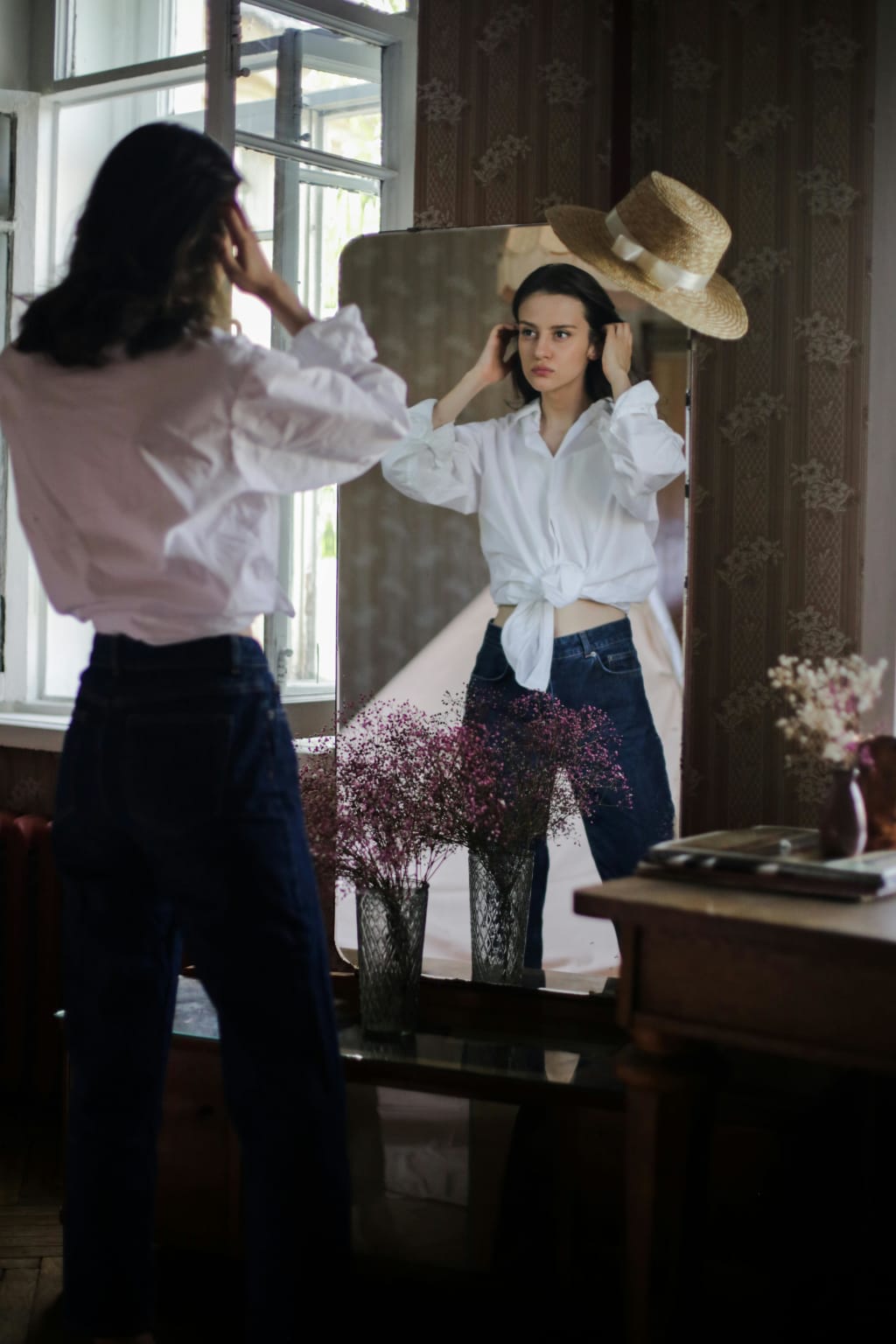
Amal stood in front of her mirror, holding a pair of earrings in her hand. They were small, silver hoops—nothing extravagant, yet somehow they carried the memory of her late grandmother, who had worn them every Eid. She hesitated before slipping them on, pairing them with a simple navy-blue kurta. To anyone else, her outfit was ordinary, but to Amal, it was a quiet declaration of who she was: respectful of her past, mindful of the present, and confident about her journey forward. This is the power of personal style—it speaks without uttering a word.
Fashion is often misunderstood as a fleeting chase of trends, seasonal colors, or overpriced labels. Yet, when stripped to its essence, style is more than clothing—it is communication, identity, and empowerment. Each outfit tells a story. It reflects not just what we want the world to see but also how we perceive ourselves. Whether we are aware of it or not, our wardrobe choices influence our confidence, relationships, and even opportunities. Amal’s story, like many others, reveals how personal style can guide us to discover our best selves.
Style as Identity
In her university, Amal often noticed how students expressed themselves through what they wore. Some wore traditional shalwar kameez with pride, while others leaned toward Western jeans and sneakers. There were those who mixed the two, fusing cultures into something uniquely their own. Amal realized that style was not about copying a celebrity or following the latest Instagram influencer—it was about embracing one’s individuality. For her, personal style became a way to balance tradition with modernity. On days when she felt deeply connected to her roots, she chose embroidered dupattas, rich with cultural heritage. On other days, when she wanted to channel determination and confidence, she opted for blazers over her kurtas. Each choice was intentional.
Guidance here is simple: build a wardrobe that reflects you, not someone else. Instead of chasing trends blindly, ask yourself what makes you feel comfortable, confident, and authentic. Do not underestimate small details—your favorite color, a particular cut, or even accessories that carry sentimental value. These are the brushstrokes that paint your identity through style.
The Psychology of Dressing
Amal’s best friend, Sana, often laughed at her for dressing up “too much” for casual events. But Amal knew that clothes had a direct impact on her mood. Psychologists call this “enclothed cognition,” the idea that what you wear influences not only how others see you but also how you see yourself. The day Amal wore her grandmother’s silver hoops during a presentation, she noticed a shift—her voice was steadier, her confidence more visible. The earrings were not just jewelry; they were a symbol of resilience and continuity.
The lesson here is powerful: dress for the life you want, not just the life you have. If you want to feel professional, wear something sharp, even if you’re working from home. If you want to feel vibrant, wear bright colors. Your wardrobe is not just decoration—it is armor, energy, and expression.
Breaking the Myth of Expensive Fashion
Many young people believe that personal style is reserved for those who can afford designer labels. Amal too once thought she needed to buy expensive handbags and shoes to look stylish. But over time, she discovered that true style is not about money—it is about creativity. A well-chosen thrift piece, a carefully ironed kurta, or a cleverly styled scarf could elevate her look more than any costly outfit.
The guidance Is practical: invest in timeless essentials—good quality basics like crisp shirts, versatile trousers, and neutral shoes. Then, add personal touches through accessories, colors, and layering. A wardrobe built on quality rather than quantity will last longer and always feel relevant. Remember, confidence makes even the simplest outfit glow.
The Balance Between Trends and Timelessness
One afternoon, Amal found herself tempted by an online sale offering neon-colored jackets. They were flashy, bold, and far from her usual style. She paused. Would this be another piece that sat in her closet unused after a few wears? That day she learned an important lesson: trends come and go, but timeless pieces stay.
Guidance: follow trends sparingly. Experiment if you like, but do not let them define you. A white shirt, black trousers, a well-fitted kurta, or a denim jacket never loses relevance. Use trends to sprinkle freshness into your wardrobe, but let timeless pieces be the foundation.
Cultural Pride Through Style
As Amal matured, she began to appreciate her cultural attire more deeply. At first, she had thought wearing traditional dresses might make her seem old-fashioned among peers. But when she wore a hand-embroidered shawl at a seminar, she received compliments not just for her outfit but for honoring her heritage. She realized that fashion can also be a bridge between tradition and modernity.
For anyone navigating personal style, this is crucial: never abandon your roots. Your culture is a source of richness, offering unique fabrics, designs, and aesthetics that no fast-fashion store can replicate. Whether it’s through jewelry, embroidery, or traditional cuts, weave your heritage into your daily fashion—it makes your style distinct and deeply meaningful.
Style and Professional Life
When Amal graduated and entered the professional world, she noticed another dimension of style: its impact on career opportunities. During her first job interview, she wore a modest yet sharp outfit—a pastel-colored kurta paired with a blazer. She carried herself with poise, and her clothing silently communicated professionalism. Later, her employer admitted that her first impression had been remarkably strong.
Guidance: always consider context when dressing. In professional settings, your clothes should reflect confidence and reliability. Neutral tones, well-fitted outfits, and clean shoes create an impression of discipline. At the same time, avoid being dull—use accessories or subtle colors to keep your individuality alive. Remember, professionalism does not mean uniformity.
The Emotional Power of Style
Beyond appearances, style can heal, comfort, and empower. After losing her grandmother, Amal struggled with grief. Wearing her grandmother’s dupatta on difficult days became a quiet act of strength—it reminded her she was not alone. Later, when Amal faced academic challenges, her favorite bold red lipstick became her silent motivator. It was never about how others saw her; it was about how she reminded herself of her strength.
Guidance here is emotional: let your wardrobe be your companion. Keep pieces that hold meaning, whether they’re gifts, souvenirs, or heirlooms. Wear them when you need encouragement. Style, when deeply personal, becomes a source of inner strength.
Building Your Personal Style Journey
Amal’s journey reflects a path anyone can follow to discover their style:
Self-reflection: Ask yourself what colors, cuts, and fabrics make you feel most confident.
Declutter: Remove clothes you never wear; keep only what serves you.
Experiment: Try different styles in small doses until you find what feels authentic.
Balance: Mix timeless basics with a few seasonal pieces.
Sustainability: Choose quality over quantity—buy less, style more.
Expression: Use accessories, hairstyles, and shoes to make your style personal.
Consistency: Develop a signature look that feels “you.” This may be a color palette, a type of accessory, or even a fabric preference.
Conclusion
One day, as Amal walked across her campus, she overheard two girls whisper, “She always looks so put together.” She smiled quietly. To them, it was just an observation. To her, it was confirmation that her style was communicating the very things she wanted the world to know—that she was confident, thoughtful, and unapologetically herself.
The power of personal style lies not in impressing others but in empowering yourself. It is the art of turning fabric into language, accessories into stories, and colors into moods. When you dress with intention, you do not merely cover your body—you express your soul. Amal’s story teaches us that fashion is not about following trends but about discovering the courage to wear who we truly are.
So, the next time you stand before your mirror, remember: you are not just choosing clothes; you are shaping your identity. And that is the true power of personal style.
About the Creator
Sajid
I write stories inspired by my real-life struggles. From growing up in a village to overcoming language barriers and finding my voice, my writing reflects strength, growth, and truth—and speaks to the heart.
How to Explore Melbourne’s Best Markets
Melbourne has always been known for its independent spirit and creativity, as well as its community-driven culture. These qualities are most prominent in its markets, laneways, and boutiques. Walking through the city feels like entering an open-air bazaar, a designer studio, and a street filled with the smell of fantastic food. For travellers looking to enjoy the markets, Melbourne encourages discovery around every corner.
By haritha gunatilaka2 days ago in Styled
Human Hair Wigs for Black Women
Let’s keep it 100: For Black women, wigs aren’t just an accessory—they’re a vibe, a flex, and a way to switch up our glow without stressing our natural tresses. Human hair wigs hit different because they blend like a dream, no weird shine or fake texture that screams “wig alert.” Whether you’re going for bold, cozy, or low-key, there’s a human hair option that’ll make you feel like the baddie you are. Today, we’re breaking down the faves that’s got the culture talking—including the kinky curly u part wig, burmese curly half wig, and glueless wigs that’s changing the game.
By manman zhai3 days ago in Styled
A Love Forboding
The chipped stone slope caused unbearable footing. I slid, skirting on my heels. I cast my shield, relinquishing my guard to stay upright. Left with my double-edge and a prayer to the maker, I skated toward my objective. The earthly stubble gave way to solid ground. I found myself restored, a trail of dust in my wake.
By James U. Rizzi7 days ago in Fiction




Comments
There are no comments for this story
Be the first to respond and start the conversation.