
Why Pakistani Eid Dresses Are Becoming So Popular in India in 2026
A closer look at why Indian women are choosing Pakistani-inspired Eid wear in 2026. Soft fabrics, relaxed fits, and handcrafted details are reshaping how women dress for Eid this year.
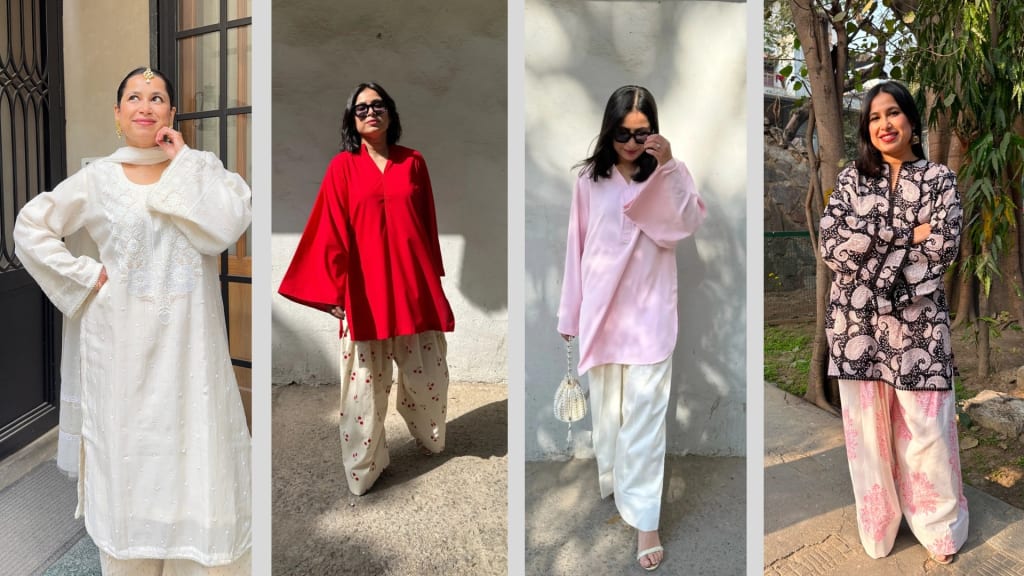
Eid dressing in India has always been about colour, comfort, and a sense of celebration. But this year, something interesting is happening. More and more women are leaning toward Pakistani inspired Eid dresses that take cues from Pakistani silhouettes and embroidery styles. It’s not a sudden shift — it has slowly built up over the last few seasons — but in 2026, the preference is clearer than ever.
A lot of it has to do with the kind of clothing people want now. Women want outfits that feel festive but not heavy. They want clothes that can handle India’s warm weather, especially during festivals that involve long hours of activity. And they want pieces that look refined without trying too hard. Pakistani-inspired styles naturally fit all these expectations, which explains why these outfits are suddenly everywhere.
A Familiar Aesthetic That Feels Refreshing
One reason these outfits feel so comfortable in the Indian market is because they don’t feel foreign. In fact, they remind many women of older silhouettes their mothers or grandmothers wore, just presented in a softer, more updated way.
Straight-cut kurtas, relaxed salwars, pastel tones, delicate threadwork — none of this feels new to India. It’s simply a gentler, more breathable version of traditional festive wear. This blend of familiarity and freshness is a big part of why Pakistani suits feel so easy to adopt. They don’t demand a change in personal style — they just refine it.
Why Lighter Fabrics and Roomy Cuts Make Sense in 2026
Weather plays a bigger role in fashion choices than most people admit. Eid in India often falls during warm, humid months, and women naturally look for clothes they can stay in for hours without discomfort. That’s where Pakistani-inspired outfits shine.
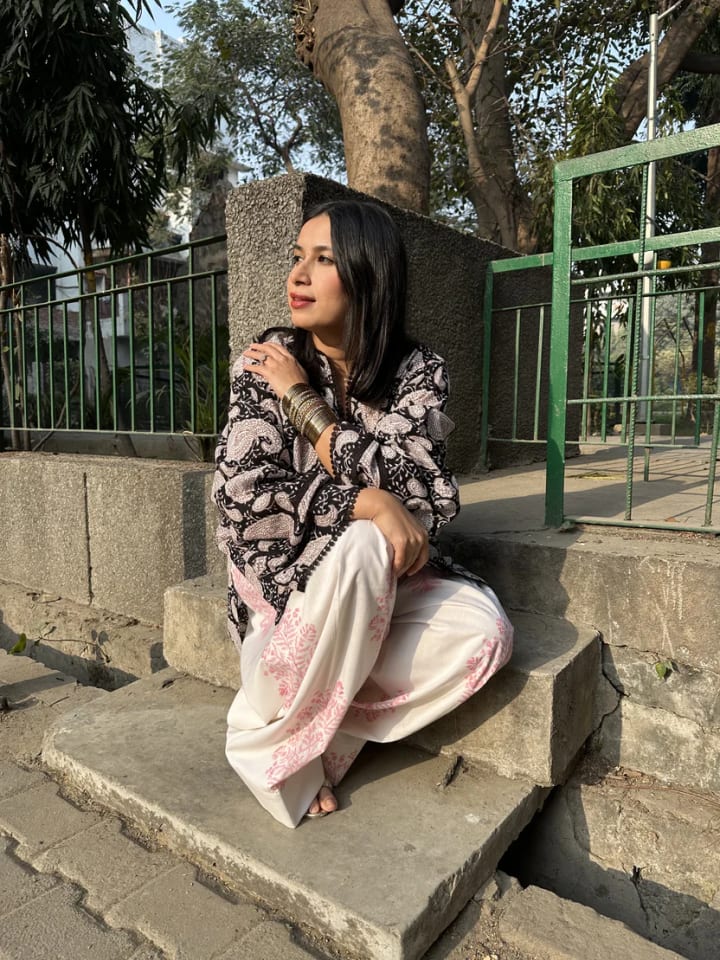
The fabrics are usually lighter, the cuts more forgiving, and the overall design allows more movement. A piece like the Coco Block Print Farshi reflects this idea beautifully. It’s cotton, breezy, and relaxed without feeling casual. When someone wears it all day — from morning prayers to evening family visits — the outfit supports the rhythm of the day instead of working against it.
This shift toward comfort-first festive wear is one of the biggest reasons these styles have taken hold.
A Growing Appreciation for Handcrafted Work
Another noticeable trend this year is the move toward intricate but understated embroidery. Women are choosing pieces that tell a story — work done by hand, thoughtful detailing, patterns that aren’t loud but have depth.
Heavy embellishments are slowly losing relevance because they simply don’t feel connected to everyday life anymore. Instead, women are leaning toward outfits where craftsmanship stands out quietly.
The Amreen Hand Embroidered Farshi Set captures this feeling well. The chikankari, the soft threadwork, the way the embroidery sits on the fabric — it feels personal. It’s the kind of outfit someone chooses when they want beauty without the weight of sequins and stones. This preference for handmade, meaningful work is becoming stronger every season.
When Minimalism Meets Festive Wear
Minimalism isn’t just a Western trend anymore. Indian women are embracing it too, especially when it comes to festival clothing. Soft colours, relaxed silhouettes, and light embroidery feel more in tune with current lifestyles than overly ornate pieces.
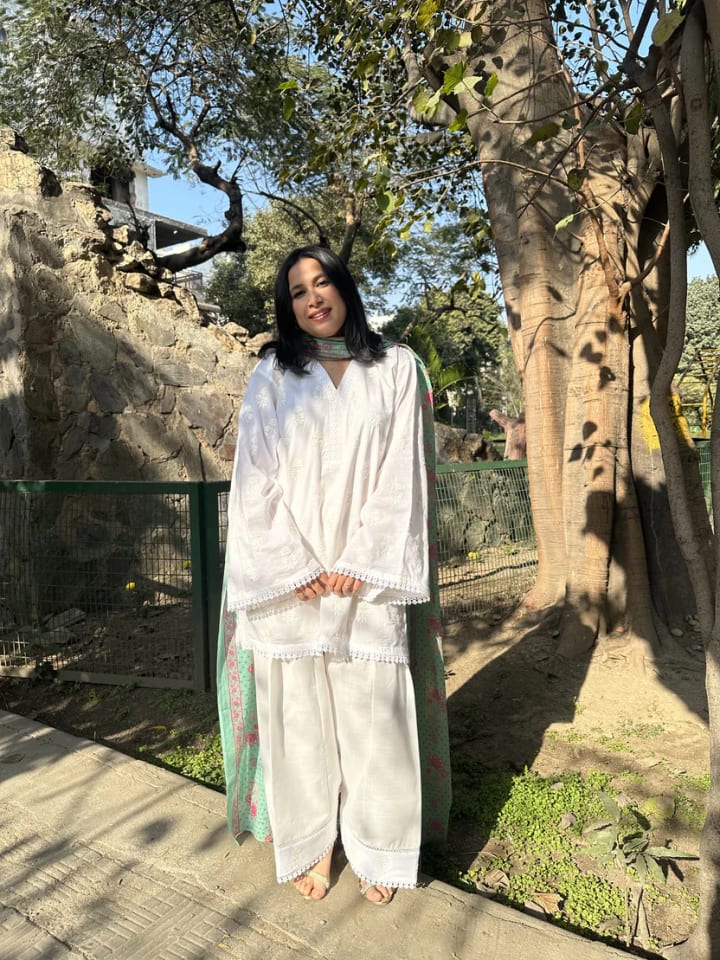
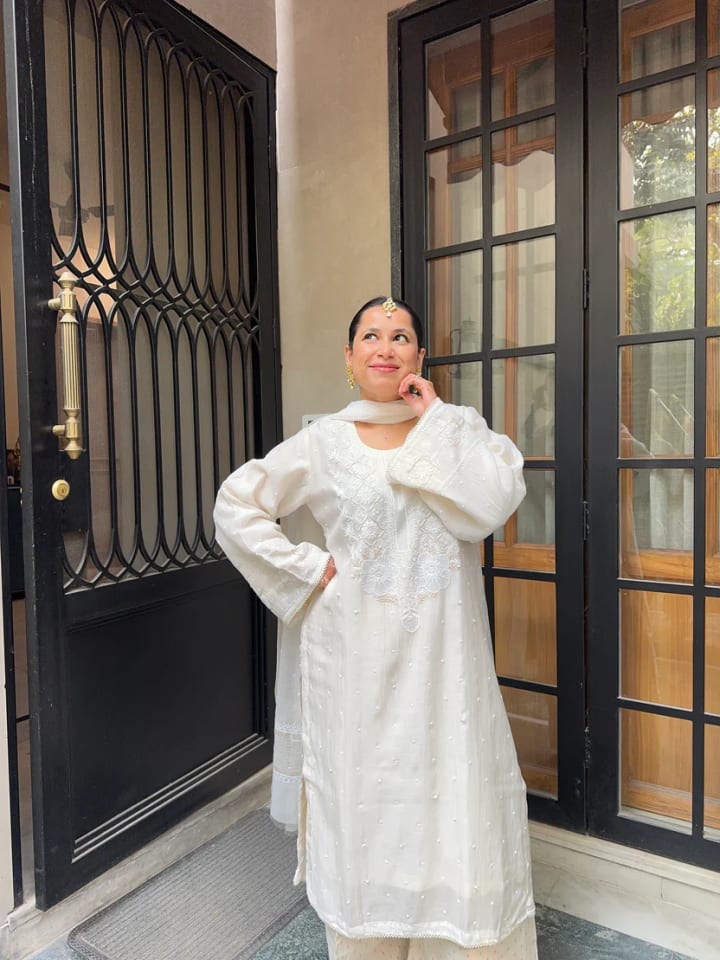
The Parizaad Embroidered White Set is a perfect example of how minimalism can still feel festive. The clean white base, the small touches of embroidery, the gentle contrast of the dupatta — it all comes together in a way that looks effortless. Many women find this type of styling far easier to wear, particularly during long family gatherings or community events.
It also photographs beautifully, which is something people now consider more than they did a few years ago.
Why These Outfits Work for So Many Women
There isn’t just one reason behind the trend — it’s a mix of practicality, comfort, and aesthetics. Some of the most common reasons Indian women mention include:
- They can wear these outfits for hours without feeling weighed down.
- The fits flatter different age groups and body shapes.
- The colours are soothing and easier to style.
- Accessories pair well without needing to overdo anything.
- They’re suitable for prayers, gatherings, photos, and travel — all in one outfit.
It’s rare to find festive clothing that checks all these boxes, but Pakistani-inspired suits seem to do it effortlessly.
The Role of Social Media in Popularising These Looks
Platforms like Instagram and Pinterest have made a huge difference. Women now see real people — not just models — wearing Farshi salwars, block prints, soft embroidered sets, and cotton Eid outfits. They save outfit ideas, follow creators who style these looks, and discover new ways to pair minimal suits with everyday accessories.
This exposure makes the styles feel accessible. When you see similar outfits on people with different body types, skin tones, and personalities, you can imagine yourself wearing them too. That’s one reason why searches for women’s Eid outfits, Pakistani-inspired Eid suits, and cotton festive wear have gone up sharply this year.
How to Choose the Right Eid Outfit This Year
If you’re trying to figure out what to wear for Eid in 2026, it helps to focus on a few simple things:
- Choose fabrics that stay comfortable during heat — cotton is ideal.
- Look for embroidery that adds charm without adding weight.
- Pick silhouettes that let you move easily.
- Choose colours based on when you’ll wear the outfit — softer tones for day, deeper ones for evening.
- Most importantly, choose something that feels natural on you.
The best outfit is the one you won’t have to adjust or think about once you step out of the house.
Questions Many Women Are Asking This Year
Can these styles be worn for Indian Eid celebrations?
Yes. They align well with Indian festive culture and feel both traditional and modern.
Will embroidered pieces feel too warm for summer?
Not the newer styles. Most use lighter fabrics and balanced embroidery that won’t weigh you down.
Do Farshi salwars suit everyone?
They tend to. Their flowy structure usually complements a wide range of body shapes.
Is white appropriate for Eid?
Definitely. White and soft neutrals are among the most picked colours for Eid in 2026.
Are cotton outfits festive enough?
When designed thoughtfully, cotton can be elegant, breathable, and beautifully festive.
Pakistani Eid dresses are shaping the way Indian women approach Eid dressing in 2026, offering a comfortable and beautifully balanced choice for Eid dresses this year.
About the Creator
Keep reading
More stories from fashion blogger and writers in Styled and other communities.
Pakistani Kurta Set for Women: Daily Wear vs Festive Wear Explained
Pakistani kurta set for women collections have quietly become a steady part of modern wardrobes, not because of trends alone, but because of how easily these outfits respond to real-life needs. From long working hours to relaxed gatherings and meaningful celebrations, the structure of a pakistani kurta set offers balance between comfort, appearance, and wearability. Many women today look for clothing that feels dependable across situations, and this is where the appeal of a pakistani kurti set becomes clear.
By fashion bloggerabout a month ago in Styled
From Inspiration to Salon Chair: How AI Hairstyle Try-On Is Changing Hair Conversations
Choosing a new haircut has always involved a leap of faith. You scroll through photos, save screenshots, and try to imagine how a style designed for someone else might translate to your own face, texture, and lifestyle. Recently, AI hairstyle try-on tools have started to reshape that process, not by replacing hairstylists, but by helping people arrive at the salon with clearer expectations and better questions.
By Shahid Sipra6 days ago in Styled




Comments
There are no comments for this story
Be the first to respond and start the conversation.