
Amazon Ends Controversial Police Tech Partnership After Public Backlash
How privacy concerns and public outrage forced Ring to cancel a planned integration with Flock Safety
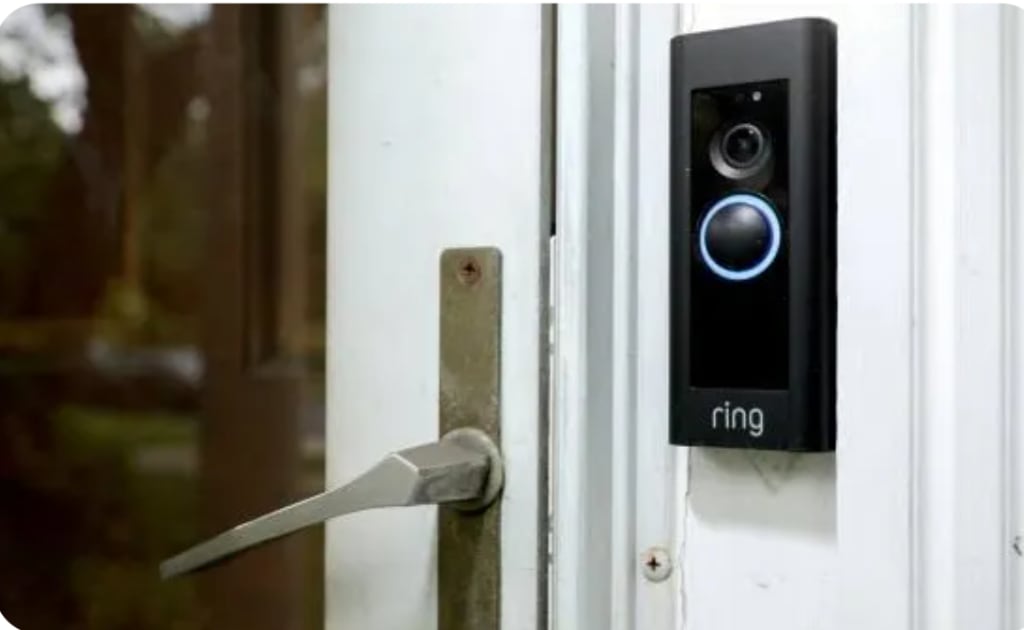
In February 2026, Amazon’s smart home brand Ring announced it was ending its planned partnership with the controversial police tech company Flock Safety after facing intense public scrutiny. The decision underscores how privacy concerns, civil liberties, and public perception can directly influence corporate tech strategies — even when the product in question is designed to enhance safety.
Ring had planned to integrate Flock Safety’s AI-powered surveillance tools into its platform, allowing law enforcement agencies to request footage from Ring users. However, after criticism from privacy advocates, lawmakers, and users, Amazon decided to cancel the integration before it was ever launched. The announcement highlights the growing tension between public safety ambitions and privacy rights in the age of smart technology.
The Planned Partnership That Never Launched
In late 2025, Amazon revealed plans for a partnership with Flock Safety, a company that provides AI-driven license plate readers and camera systems to law enforcement agencies. The integration was intended to allow police to request Ring footage via Flock Safety’s platform, streamlining investigations for local departments.
While Amazon framed the collaboration as a tool to enhance community safety, critics quickly raised concerns. Many feared that the partnership would effectively create a nationwide surveillance network, with private citizens’ video footage potentially accessible to multiple law enforcement agencies, including federal authorities. (gigazine.net�)
After months of mounting criticism, Amazon and Flock jointly announced the project’s cancellation in February 2026. Ring emphasized that the integration never went live, and no customer videos were shared with Flock Safety. The company also stated that future partnerships would be evaluated with greater consideration for user privacy and community standards.
Why the Backlash Was So Intense
Several factors combined to create significant public outcry:
Flock Safety’s Controversial Reputation
Flock Safety has long been criticized for its surveillance technology, which critics argue allows law enforcement to track citizens broadly and, in some cases, share data with federal agencies. Privacy advocates claimed that Ring’s integration could enable similar access to private footage, triggering fears of mass surveillance. (aclu.org�)
The Timing of a Controversial Super Bowl Ad
Ring aired a Super Bowl advertisement promoting “Search Party,” a feature designed to help users locate lost pets using AI-powered cameras. While the ad’s focus was seemingly innocent, critics connected it to the Flock partnership, intensifying fears that Ring devices could be used for broader surveillance. The timing of the ad amplified the controversy, bringing the issue to mainstream attention.
Political and Public Pressure
The controversy drew the attention of lawmakers and advocacy groups. Some senators publicly questioned Amazon’s surveillance practices, while social media campaigns encouraged users to delete or stop using Ring products in protest. Public sentiment highlighted that consumer trust is crucial for companies dealing with private data, especially in the realm of home security technology.
Ring’s Response and Future Plans
In its statement, Ring stressed that no integration occurred and that the company is re-evaluating partnerships to ensure alignment with user privacy expectations. Ring continues to operate its Community Requests system, which allows users to voluntarily share footage with local police, but emphasizes that participation is optional.
Flock Safety also confirmed that the collaboration was canceled and noted that it would focus on developing tools that reflect local community standards and expectations, signaling a growing awareness of public sentiment in tech deployments.
The Broader Implications for Tech and Privacy
The cancellation of the Ring–Flock partnership has broader implications:
Public Trust Can Make or Break Tech Initiatives
The episode demonstrates that consumers and advocacy groups can influence major corporate decisions. When privacy is perceived to be at risk, backlash can force companies to pivot quickly.
Surveillance Technology Faces Growing Scrutiny
Tools that connect personal devices to law enforcement are increasingly subject to public debate. Companies must navigate legal, ethical, and social expectations carefully to maintain credibility.
Balancing Safety and Civil Liberties Is Complex
Ring’s initial goal was to provide law enforcement with tools to solve crimes faster. Yet, the controversy shows that even well-intentioned technologies can raise concerns about overreach and mass surveillance. This tension is likely to persist as smart security and AI-based monitoring continue to expand.
Lessons for the Industry
For tech companies, this incident serves as a reminder that transparency and communication are key. Before launching integrations that intersect with sensitive areas like law enforcement, companies should:
Engage with community stakeholders to understand potential concerns.
Clearly communicate what data will and will not be shared.
Consider voluntary opt-in systems to give users control over participation.
Be prepared to adjust strategies in response to public sentiment.
By taking these steps, tech firms can reduce risk while maintaining trust in their products.
Conclusion: Privacy and Public Perception Matter
Amazon’s decision to cancel the Ring–Flock Safety partnership illustrates the growing power of consumer expectations, privacy concerns, and public advocacy in shaping corporate strategy. Even when technology is designed to enhance safety, companies must navigate a complex landscape of ethical considerations, legal responsibilities, and public perception.
The episode also signals a shift in how surveillance technology is deployed. Companies that fail to account for public trust risk backlash, while those that prioritize transparency and community standards may find greater long-term success.
For Ring, the lesson is clear: technology can’t be judged on capability alone. In an era of smart homes, AI, and surveillance tools, success depends on maintaining user trust, balancing safety with privacy, and responding thoughtfully to public feedback.
As smart-home technology continues to evolve, the conversation around privacy, security, and surveillance ethics will remain central — and companies like Ring will be watching closely to see how they can innovate responsibly without eroding consumer confidence.
About the Creator
The Saddest Thing - The Billionaires Who Rule America Aren't Even Enjoying Themselves
This single post says more about our ruling class than a thousand policy papers. The saddest thing about today's system is that the men robbing the rest of us - sabotaging our economic prospects, our pensions, our access to affordable healthcare - are not even happy.
By Scott Christenson🌴7 days ago in The Swamp
Diaries to Nietzsche
Quotation from Friedrich Nietzsche "He who wrestles long with monsters should beware lest he himself become a monster. And if you gaze long into an abyss, the abyss also gazes into you. Man is not destroyed by suffering, but by the meaning he makes of it."
By LUCCIAN LAYTHa day ago in Critique




Comments
There are no comments for this story
Be the first to respond and start the conversation.