
Further Decline in Gold and Silver Prices Across Markets
Precious metals face pressure as investors weigh interest rates, market volatility, and regulatory factors

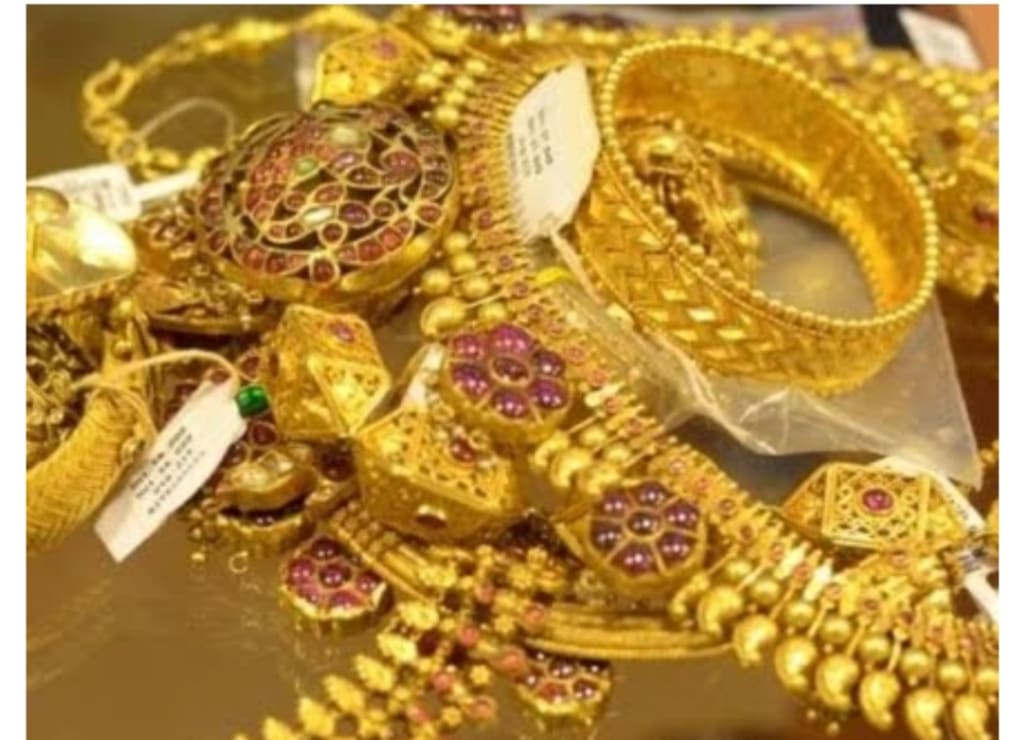
Global markets are witnessing a continued decline in gold and silver prices, as both metals face mounting pressure from a combination of macroeconomic, financial, and regulatory factors. Investors and analysts are noting that the precious metals sector is entering a period of heightened volatility, driven by interest rate trends, speculative selling, and changes in trading regulations, particularly in futures markets.
This decline comes after a period of strong gains in both metals, which saw record or near-record levels in recent months, fueled by inflation fears, geopolitical tensions, and safe-haven demand. The correction now appears to be extending, prompting market participants to reassess positions and expectations.
---
Recent Price Movements
Gold and silver prices have both slipped from recent highs, reflecting a global sell-off across commodities:
Gold has dropped by approximately 5-7% in the past week, retreating from multi-month highs.
Silver has fallen even more sharply, down by around 8-10%, and is currently over 35% below recent record peaks.
Market analysts suggest that these declines are partly technical, with investors liquidating speculative positions following the recent rally, while macroeconomic signals continue to favor stronger currencies and higher interest-bearing assets.
---
Key Factors Driving the Decline
Several factors are contributing to the downward pressure on gold and silver prices:
1. Rising Interest Rates and Stronger Currencies
Central banks, particularly the U.S. Federal Reserve, have maintained hawkish monetary policies, keeping interest rates elevated to combat inflation. Higher interest rates:
Reduce the appeal of non-yielding assets like gold and silver
Strengthen the U.S. dollar, making precious metals more expensive for international buyers
A stronger dollar has historically been inversely correlated with gold and silver prices, which helps explain part of the current decline.
2. CME Margin Increases on Silver Futures
The Chicago Mercantile Exchange (CME) recently raised margin requirements for silver futures trading. This move:
Forces leveraged traders to allocate more capital
Encourages liquidation of positions by short-term speculators
Creates short-term downward pressure on silver prices
Such regulatory interventions are designed to reduce excessive risk in commodity markets but often contribute to immediate price volatility.
3. Profit-Taking After Speculative Rally
Both metals experienced a speculative surge earlier this year, with retail and institutional investors piling into positions amid fears of inflation and market uncertainty. The current decline represents a natural correction, as traders lock in profits and rebalance portfolios.
4. Industrial Demand Considerations
Silver, in particular, is highly dependent on industrial consumption, including electronics, solar panels, and medical equipment. Recent reports of slowing industrial growth in major economies have dampened silver demand, further weighing on prices.
---
Market Reactions and Investor Behavior
Investors are adjusting strategies in response to these declines:
Short-term traders are taking advantage of volatility to enter and exit positions quickly.
Long-term investors are assessing whether current prices represent buying opportunities amid global economic uncertainty.
Hedging and diversification strategies are becoming more common, with investors moving some holdings into other commodities, equities, or bonds.
Analysts emphasize that while the market correction is expected after a rapid rise, caution is warranted as further volatility is likely in the near term.
---
Technical Analysis of the Metals
From a technical standpoint:
Gold has breached short-term support levels near key moving averages, suggesting potential for further downside in the coming weeks.
Silver, being more volatile, has shown sharper declines and may test critical support zones, where long-term investors could step in.
Indicators such as Relative Strength Index (RSI) and moving average convergence point to the metals being temporarily oversold, hinting at possible short-term rebounds before stabilizing.
Traders are closely watching these levels to anticipate potential price consolidation or further downward movements.
---
Implications for Global Markets
The decline in precious metals has broader implications:
Currency Markets: A weaker gold and silver market often reflects strengthening fiat currencies, particularly the U.S. dollar.
Mining Sector: Companies producing gold and silver may see pressures on margins and stock valuations, especially those with higher production costs.
Investor Sentiment: Falling prices could reduce safe-haven demand temporarily, prompting investors to rotate into equities or fixed-income instruments.
Some analysts note that this correction is healthy for the market, preventing overheating and encouraging more balanced investment strategies.
---
Outlook for Gold and Silver
Despite the current decline, long-term fundamentals for gold and silver remain intact:
Gold continues to serve as a hedge against inflation and geopolitical risk.
Silver maintains strong industrial demand, particularly in renewable energy and electronics.
Global economic uncertainty and potential market shocks could prompt renewed safe-haven interest in both metals.
Experts predict that while short-term volatility may persist, prices could stabilize once speculative positions unwind and market participants adjust to interest rate trends and industrial demand signals.
---
Investor Strategies Amid the Decline
Investors looking to navigate the current decline should consider:
1. Diversification: Maintain exposure across multiple asset classes to mitigate risk.
2. Staggered Entry: Buying into metals gradually as prices decline reduces exposure to sudden swings.
3. Monitoring Macroeconomic Indicators: Watch central bank policies, inflation data, and currency movements.
4. Technical Analysis: Use support and resistance levels to identify potential entry points and stop-loss thresholds.
Long-term investors may view the decline as a strategic opportunity to accumulate gold and silver at lower valuations, while short-term traders focus on capitalizing on volatility.
---
Conclusion
The further decline in gold and silver prices across markets reflects a combination of interest rate pressures, regulatory changes, profit-taking, and industrial demand fluctuations. While short-term volatility is likely to continue, long-term fundamentals for both metals remain strong, driven by global economic uncertainty and industrial applications.
Investors and market participants are advised to balance caution with strategic opportunity, using the current price corrections as a moment to reassess positions, manage risk, and potentially capitalize on favorable entry points in precious metals markets.
About the Creator
Keep reading
More stories from Salaar Jamali and writers in The Swamp and other communities.
Sierra Madre Buys Second Silver Mine from First Majestic in $60M Deal
Sierra Madre Gold & Silver Ltd., a Canadian junior mining company, has acquired its second silver mine from First Majestic Silver Corp. in a transaction valued at $60 million, marking a significant step in its expansion strategy. The deal underscores the growing appetite among smaller miners to consolidate high-potential assets amid volatile silver prices and rising global demand for the white metal.
By Salaar Jamalia day ago in The Swamp




Comments
There are no comments for this story
Be the first to respond and start the conversation.