
Rise in Half-Term Holiday Bookings After Rainy January
How Stormy Skies and Post-Holiday Blues Are Driving a Surge in February Getaways
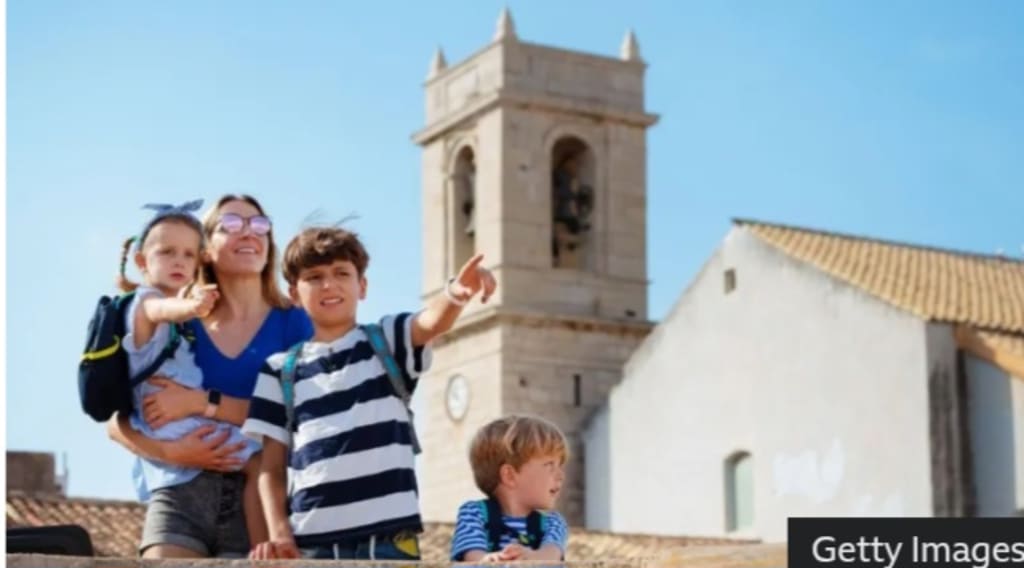
After weeks of relentless rain, grey skies, and post-holiday fatigue, travel agents across the UK are reporting a sharp rise in half-term holiday bookings. The unusually wet January has left many families craving sunshine, fresh air, and a much-needed change of scenery. As schools prepare for the February break, travel companies are witnessing a noticeable spike in last-minute reservations, with beach destinations and short European city breaks leading the way.
According to the Met Office, this January ranked among the wettest in recent years in several regions of the United Kingdom. Persistent rainfall, flooding in some areas, and limited sunlight contributed to what many described as a “long and gloomy start” to 2026. For families juggling work, school, and daily routines, the dreary conditions have intensified cabin fever — and sparked a renewed interest in travel.
A Weather-Driven Travel Boom
Industry experts suggest that weather has always played a key role in travel trends, but this year the effect appears particularly pronounced. Travel agencies report that inquiries began rising in mid-January, coinciding with severe weather warnings issued across parts of England and Wales.
Popular package holiday provider TUI confirmed a significant increase in searches for sunny destinations during the final two weeks of January. Meanwhile, budget airline Ryanair reported higher-than-expected seat bookings for routes heading to southern Europe during the half-term period.
Travel analysts believe that the extended stretch of grey weather has amplified the desire for vitamin D and outdoor relaxation. Social media has also played a role, with images of sunny beaches and Mediterranean escapes circulating widely, further fueling demand.
Top Destinations in Demand
Spain, Portugal, and the Canary Islands remain firm favourites among British travellers. Resorts in Tenerife and Gran Canaria are reportedly nearing capacity for the half-term week. The Canary Islands’ year-round mild climate makes them especially attractive for families seeking warmth without long-haul travel.
Short-haul city breaks are also trending. Cities like Barcelona, Rome, and Lisbon are seeing increased bookings from families looking for cultural experiences combined with better weather. For those willing to travel further afield, Dubai and parts of North Africa are emerging as strong contenders.
Travel operators suggest that affordability is a driving factor. Competitive pricing, early-season deals, and flexible booking policies have encouraged families who may have hesitated earlier in the year.
Escaping the January Blues
Psychologists often speak about the “January blues” — a period marked by low mood following the festive season. Combined with financial caution after Christmas spending, January can feel particularly long. However, once payday arrives at the end of the month, many households begin planning breaks to lift their spirits.
The travel surge reflects more than just a response to bad weather; it signals a broader desire for experiences over material purchases. Families increasingly prioritize shared memories and quality time, especially during school holidays.
One London-based travel consultant noted that clients frequently mention the weather as a primary motivator. “People are tired of the rain. They want sunshine, even if just for a few days. Half-term offers the perfect window.”
Last-Minute Bookings on the Rise
Interestingly, many bookings this year are being made later than usual. Instead of planning months in advance, families appear to be making more spontaneous decisions. Industry insiders attribute this to improved flexibility policies introduced after the pandemic, which allow travellers to change or cancel plans more easily.
Airlines and hotels have adapted to this shift by offering flash sales and digital promotions. Online travel platforms report that mobile bookings have surged, suggesting that consumers are making quick decisions based on real-time weather forecasts and promotional alerts.
Economic Impact on the Travel Sector
The increase in half-term bookings offers a welcome boost to the travel and tourism industry, which traditionally experiences a lull in early January. Higher demand means improved revenue for airlines, hotels, and tour operators during what is usually a quieter period.
Regional airports are also benefiting from the surge. Increased passenger traffic during half-term supports local employment and ancillary services such as parking, hospitality, and retail.
Experts believe that if weather patterns continue to be unpredictable, “weather-driven travel” could become a more common phenomenon. Climate variability may influence booking trends more strongly in the years ahead.
Balancing Budget and Experience
Despite rising interest, families remain mindful of costs. Inflation and household expenses are still a concern for many. As a result, travellers are carefully comparing package deals, opting for shorter trips, or choosing all-inclusive options to control spending.
Travel advisers recommend booking quickly, as availability for popular destinations is shrinking rapidly. Flexible dates and alternative airports can help secure better deals.
Some families are also considering domestic breaks within the UK, hoping for improved weather conditions during half-term. Coastal towns and countryside retreats remain appealing for those unwilling to travel abroad.
The Outlook for Spring Travel
If the current trend continues, the strong demand for half-term getaways may set the tone for a busy spring and summer travel season. Industry forecasts suggest that early bookings for Easter holidays are already gaining momentum.
Ultimately, the spike in half-term bookings highlights how closely travel decisions are tied to mood, climate, and lifestyle changes. A rainy January may have dampened spirits, but it has also reignited the desire to explore, unwind, and reconnect.
As families prepare to swap umbrellas for sunglasses — even if only temporarily — the travel industry stands ready to meet the demand. For many, the promise of sunshine is simply too tempting to resist after weeks of grey skies.
With meteorologists predicting continued unsettled conditions in parts of the UK, the trend may not slow down anytime soon. And if this year’s start is any indication, the weather could prove to be one of the most powerful travel agents of all.
About the Creator
Keep reading
More stories from Ayesha Lashari and writers in The Swamp and other communities.
Cathie Wood’s Bold Bet on Musk: How the SpaceX–xAI SPAC Is Reshaping ARK’s AI and Space Vision
Cathie Wood, the visionary founder and CEO of ARK Investment Management, has long been recognized for her fearless investment strategies. Known for anticipating disruptive trends, ARK focuses on emerging sectors such as AI, genomics, blockchain, robotics, and next-generation space technology.
By Ayesha Lashari2 days ago in The Swamp
The Saddest Thing - The Billionaires Who Rule America Aren't Even Enjoying Themselves
This single post says more about our ruling class than a thousand policy papers. The saddest thing about today's system is that the men robbing the rest of us - sabotaging our economic prospects, our pensions, our access to affordable healthcare - are not even happy.
By Scott Christenson🌴8 days ago in The Swamp
Italy Prime Minister Condemns Anti-Olympics Acts, Including Alleged Sabotage of Railway Line
Italy’s Prime Minister has strongly condemned what she described as “unacceptable and dangerous acts” targeting infrastructure and public order as the country hosts the Winter Olympics, following reports of alleged sabotage on a key railway line serving northern regions and Olympic venues. Speaking at a press conference in Rome, Prime Minister Giorgia Meloni said the government would respond with the “maximum firmness” to any attempt to disrupt the Games or endanger public safety. Her remarks came after transport authorities confirmed that damage had been detected on railway signaling equipment, causing delays and disruptions to train services on routes connecting Milan with Alpine areas hosting Olympic events. “This is not protest, this is criminal behavior,” Meloni said. “Anyone who attacks infrastructure and risks the safety of citizens and visitors will be pursued and punished according to the law.” Railway Disruption Raises Security Concerns The disruption was first reported early in the morning when rail operators noticed abnormal failures in signaling systems on a section of track in Lombardy. Engineers sent to investigate found evidence of tampering, prompting authorities to suspend traffic temporarily while safety checks were carried out. Although no injuries were reported, hundreds of passengers were affected, including Olympic spectators, journalists, and volunteers traveling to venues. Train services resumed later in the day after emergency repairs, but delays continued throughout peak hours. Interior Ministry officials said the incident is being treated as suspected sabotage rather than a technical malfunction. Prosecutors have opened an investigation into damage to public infrastructure, a serious criminal offense under Italian law. Security around major railway hubs and Olympic transport routes was immediately increased, with additional police patrols and surveillance deployed at stations, tunnels, and bridges. Wider Anti-Olympics Activity The alleged sabotage is part of a broader wave of protests and disruptive actions linked to opposition to the Olympics. Environmental groups and anti-capitalist activists have staged demonstrations in several northern cities, criticizing the Games for their environmental impact, rising public costs, and pressure on local communities. In recent weeks, activists have vandalized billboards, blocked roads leading to construction sites, and organized marches calling for a halt to Olympic development projects. While most protests have been peaceful, authorities say a small number of individuals have crossed into criminal acts. Meloni accused radical elements of exploiting legitimate concerns to justify illegal behavior. “Criticism and debate are part of democracy,” she said. “But damaging railways and threatening people’s safety is something entirely different. It cannot be tolerated.” Political and Public Reaction Opposition parties condemned the alleged sabotage but also urged the government to address the social and environmental grievances behind the protests. Some lawmakers called for dialogue with local communities affected by Olympic construction projects, particularly in mountainous regions where residents fear long-term ecological damage. Transport Minister Matteo Salvini said the incident demonstrated the need for tougher protection of critical infrastructure. “Our railways are essential for daily life and for the success of the Games,” Salvini said. “Any attack on them is an attack on the country.” Passengers expressed frustration and concern after being stranded for hours at major stations. “We were told it was a technical problem, then later they said it might be sabotage,” said Lucia Ferraro, a commuter traveling from Milan to Turin. “It makes you feel unsafe.” International Spotlight The Winter Olympics place Italy under intense global scrutiny, with millions of viewers and thousands of athletes and visitors arriving from around the world. Security experts note that large international events often attract both peaceful protest and attempts at disruption because of their symbolic importance. Italian authorities have already deployed thousands of police officers and soldiers to protect venues, airports, and transport networks. Following the railway incident, officials said security measures would be reviewed and strengthened further. An Olympic organizing committee spokesperson said the disruption had no impact on competition schedules and that contingency transport plans were activated immediately. “All events are proceeding as planned,” the spokesperson said. “We are working closely with national authorities to ensure safe and reliable transport for athletes and spectators.” Investigation Continues Police are examining surveillance footage and forensic evidence from the damaged railway equipment. No arrests have yet been announced, and authorities have not confirmed whether the act was linked to a specific protest group. Officials stressed that the investigation remains open and that all possible motives, including political extremism or organized vandalism, are being considered. As Italy continues to host the Games, the government has sought to project an image of control and resilience. Meloni concluded her remarks by emphasizing that the Olympics would not be overshadowed by what she called “minority violence.” “These Games belong to athletes and to the people,” she said. “They will not be derailed by those who choose destruction over dialogue.”
By Fiaz Ahmed 5 days ago in The Swamp
Bartender
On the heels of grief, pain bears down hard. On the heels of death, pain awakens the quiet place between the end of our own life and now. Feeling anything is like seeing a film and in black and white, slow motion, all sound turned off. Just watching. Gritting teeth, awkward smiles and bloody red eyes move around, scanning the others who are feeling something I don't want to feel, but I do. Escapism is all I have ever known. ~
By ROCK aka Andrea Polla (Simmons)3 days ago in Poets


Comments
There are no comments for this story
Be the first to respond and start the conversation.