
Trump’s Iran Ultimatum, Rebel Rule in Goma, and a Second Killing in Minneapolis: The Cheat Sheet
Three global flashpoints shaping security, politics, and public debate
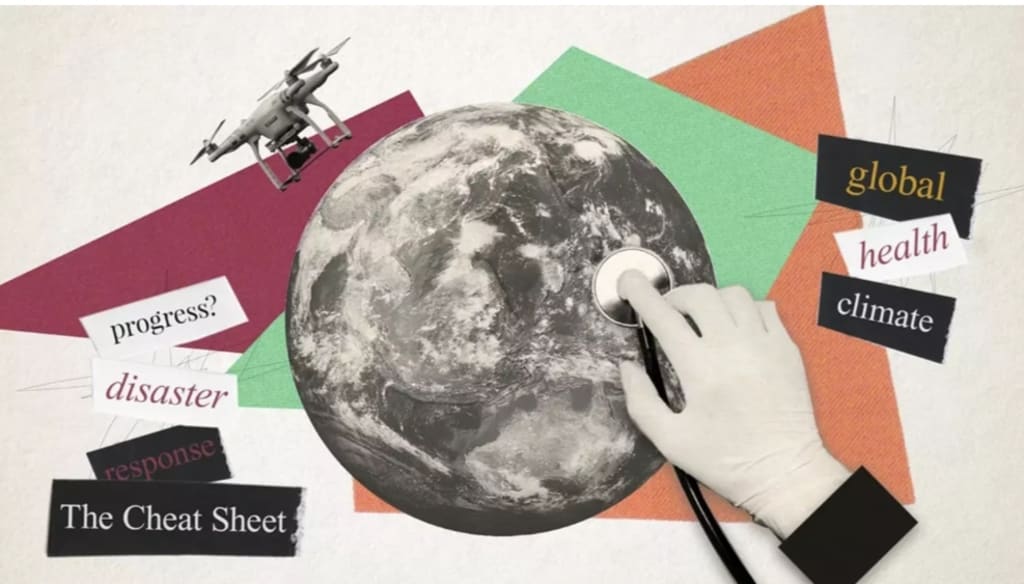
From rising tensions between the United States and Iran to armed conflict in Central Africa and renewed concerns about public safety in an American city, the past week has delivered a series of major global developments. Each story reflects broader themes—geopolitical rivalry, regional instability, and domestic security challenges—that continue to shape international headlines.
This cheat sheet breaks down the key developments, what they mean, and why they matter globally.
Trump’s Iran Ultimatum: Diplomacy or Escalation?
Former US President Donald Trump has issued a firm warning to Iran, demanding limits on its military and nuclear ambitions while signaling that military action remains a possibility if negotiations fail. The statement comes amid ongoing tension over Iran’s uranium enrichment program and its role in regional conflicts.
Key Issues Driving the Standoff
Concerns over Iran’s nuclear development
Iran’s missile program and regional influence
US sanctions and economic pressure on Tehran
Military deployments in the Gulf region
Trump’s ultimatum reflects a long-standing US strategy combining diplomacy with deterrence. Supporters argue that strong rhetoric pressures Iran to negotiate, while critics warn it could increase the risk of confrontation.
Global Reaction
European allies have urged diplomatic solutions, emphasizing the importance of preventing nuclear proliferation without triggering military conflict. Meanwhile, Middle Eastern countries are closely monitoring developments, given the potential regional impact of any escalation.
Energy markets are also watching closely, as instability involving Iran can disrupt global oil supply chains and cause price volatility.
Rebel Rule in Goma: Crisis in Eastern Congo
Thousands of miles away, eastern Democratic Republic of Congo (DRC) is facing renewed instability as rebel forces tighten control over Goma, a major city near the border with Rwanda. The region has experienced decades of conflict fueled by ethnic tensions, resource competition, and cross-border militias.
Why Goma Matters
Goma is strategically important because it serves as:
A major commercial hub in eastern Congo
A gateway for humanitarian aid operations
A center of regional trade and transport
The takeover by rebel groups has forced thousands of civilians to flee, creating a humanitarian crisis and raising fears of wider regional conflict.
Humanitarian Concerns
International aid organizations warn of:
Displacement of local populations
Shortages of food, medicine, and clean water
Increased risk of disease outbreaks
Heightened vulnerability for women and children
United Nations peacekeeping forces remain in the region, but critics argue that long-term political solutions are necessary to address root causes of conflict.
Second Killing in Minneapolis: Public Safety Concerns Rise
In the United States, authorities in Minneapolis are investigating a second fatal incident in recent days, raising renewed debate about crime, policing, and community safety. While details are still emerging, local leaders are urging calm and cooperation with law enforcement investigations.
Community Impact
Violent incidents can deeply affect communities by:
Increasing public fear and anxiety
Straining relations between residents and law enforcement
Prompting policy debates around policing and public safety
Influencing local political priorities
Community leaders have called for balanced approaches focusing on prevention, social support systems, and effective policing strategies.
Connecting the Global Themes
Although these three stories unfold in very different contexts, they highlight several shared global themes:
1. Security Challenges
Whether involving national defense, armed conflict, or urban crime, security remains a top concern for governments and communities worldwide.
2. Political Decision-Making
Leadership decisions—from diplomatic ultimatums to local law enforcement policies—can have far-reaching consequences.
3. Human Impact
Behind every headline are real people affected by conflict, instability, or violence. Humanitarian considerations remain central to global responses.
The Role of Media in Shaping Understanding
Global news coverage plays a crucial role in helping audiences understand complex situations. However, fast-moving developments can sometimes create confusion or misinformation.
Reliable reporting helps by:
Providing verified facts and timelines
Offering expert analysis and context
Highlighting humanitarian consequences
Encouraging informed public discussion
In an era of instant global communication, accurate information is more important than ever.
What to Watch Next
Iran-US Relations
Observers will monitor whether diplomatic talks continue or whether tensions escalate toward confrontation.
Congo Conflict
International mediators are expected to increase pressure for negotiations, though long-term peace remains uncertain.
Minneapolis Investigation
Authorities will continue investigating recent incidents, while local leaders work to maintain community stability.
Why These Stories Matter Globally
Each of these developments demonstrates how local or regional events can have global ripple effects. Military tensions can influence energy markets and alliances. Regional conflicts can create humanitarian crises and refugee flows. Local crime trends can shape national policy debates and public trust.
In an interconnected world, developments in one region often affect political, economic, or social conditions elsewhere.
Conclusion
This week’s major headlines—from Trump’s warning to Iran, to rebel control in Goma, to violence in Minneapolis—reflect the complexity of modern global challenges. Security, diplomacy, humanitarian response, and public safety remain deeply interconnected.
As these stories continue to evolve, governments, international organizations, and local communities will face difficult decisions about how to respond. The coming weeks will likely reveal whether diplomacy, conflict resolution, and policy reforms can help stabilize these situations.
For now, the world watches closely, aware that today’s headlines often shape tomorrow’s global landscape.
About the Creator
Keep reading
More stories from Aarif Lashari and writers in The Swamp and other communities.
How to Watch Back-to-Back Northern Lights for a Third Time This Week
Aurora borealis enthusiasts have reason to celebrate: the Northern Lights are set to appear for a third consecutive time this week, offering an unprecedented streak of celestial displays. These mesmerizing lights, caused by charged particles from the sun colliding with Earth’s atmosphere, are a highlight of winter skies in northern regions, and scientists say this week’s back-to-back events could be some of the most vivid in years.
By Aarif Lashariabout 23 hours ago in The Swamp
Bullied Girl’s Leg Plea Leaves Father Heartbroken
Bullying is often spoken about in statistics, school policies, and awareness campaigns, but behind every number is a real child carrying invisible wounds. One such story has recently touched hearts everywhere—a young girl, worn down by relentless bullying, made a desperate plea about her injured leg that left her father shattered. Her words were not just a cry for physical relief, but a heartbreaking window into the emotional trauma she had been silently enduring.
By Ayesha Lashari7 days ago in The Swamp
PLE Results: Girls Outsmart Boys in English Subject
A Surprising Trend in PLE Results The recent Primary Leaving Examination (PLE) results have revealed an interesting trend: girls have outperformed boys in the English subject. While both genders showed commendable performance overall, the data indicates that girls not only scored higher on average but also dominated the top achievers list. This trend raises questions about the factors contributing to girls’ success in English, the implications for teaching strategies, and what it means for future academic and career trajectories. Understanding the PLE and Its Importance The Primary Leaving Examination is a national assessment taken by students at the end of primary school. It is crucial because: Determines eligibility for secondary school Assesses students’ mastery of core subjects such as English, Mathematics, Science, and Social Studies Provides insights into educational performance trends across the country English, in particular, is a key subject because proficiency in it often correlates with future academic success and access to higher education. Girls Lead in English: What the Numbers Say According to official statistics: A larger proportion of girls scored in the Distinction and Credit categories compared to boys Girls accounted for the majority of top-scoring students in English across most districts The average score for girls in English was noticeably higher than that of boys This demonstrates a consistent pattern of female academic excellence in language skills. Why Are Girls Excelling in English? Several factors may explain this trend: 1. Reading and Comprehension Habits Studies suggest that girls are more likely to read extensively, which strengthens vocabulary, comprehension, and writing skills. In contrast, boys often engage less in reading outside the classroom. 2. Classroom Behavior and Focus Teachers report that girls tend to be more attentive, disciplined, and consistent in completing assignments, which positively impacts their English proficiency. 3. Motivation and Communication Skills English requires clear communication, both written and spoken. Girls often show higher motivation to communicate effectively, which translates into better performance in exams. 4. Support from Home and Community In many regions, parents encourage girls to excel academically, especially in language-related subjects, recognizing the long-term benefits for education and career opportunities. Implications for Boys’ Learning While girls are leading in English, this trend also highlights a need to support boys in language learning. Educators suggest: Encouraging boys to read more widely Using interactive and practical teaching methods to engage male students Mentoring programs to boost confidence in writing and communication Addressing these gaps ensures that boys can perform at their potential without being left behind. Teacher Perspectives Teachers nationwide have shared insights: “Girls tend to take their homework seriously and practice more at home,” said one English teacher. “Boys often excel in Mathematics and Science but struggle with reading and writing tasks,” noted another. Many educators suggest introducing innovative classroom strategies to make English more appealing to boys. Student Perspectives Students themselves have reflected on the trend: Female students credit regular reading, essay practice, and speaking exercises. Male students acknowledge the need to improve vocabulary and writing skills, with some stating they plan to read more books and newspapers. These perspectives provide a window into how study habits affect performance in English. Impact on Secondary Education Choices Excelling in English opens doors for students to: Join elite secondary schools with competitive entry requirements Pursue subjects that rely heavily on English proficiency, such as literature, journalism, law, and international studies Build a foundation for career advancement, as English remains a critical language in professional settings Therefore, girls’ success in English could have long-term benefits for their academic and career prospects. Regional Patterns and Variations The trend of girls outperforming boys is not uniform across all districts. Some regions showed smaller gaps, while others had significant differences. Factors contributing to these variations include: Quality of schools and teachers Access to learning resources such as libraries and English materials Community and parental support Understanding these patterns can help policymakers target interventions to improve English proficiency for all students. Government and Policy Response The Ministry of Education has noted this trend and plans to: Develop programs to support boys in language learning Promote reading culture among primary school students Provide training for teachers on innovative English teaching techniques These steps aim to ensure that all children, regardless of gender, have equal opportunities to excel in English. Conclusion: A Positive Shift in Education The PLE results underscore a positive development in girls’ education, highlighting their dedication and capability in mastering English. At the same time, the trend provides an opportunity to address gaps in boys’ learning, ensuring balanced educational outcomes. As schools, teachers, and communities respond to these findings, the future of English education looks promising, with potential for higher literacy, improved communication skills, and more equitable academic success.
By Zahid Hussain3 days ago in The Swamp
Cabin Fever Because of Snow, Sleet, and Freezing Rain That Turned to Icy Roads
What Is Cabin Fever? The short answer is that cabin fever is restlessness from being in a confined area. Cabin fever is the distressing irritability or restlessness experienced when a person or group is stuck at an isolated location or in confined quarters for an extended time. Research shows that prolonged cold, gray skies, and being stuck indoors can trigger mood shifts similar to “winter blues.”
By Margaret Minnicksa day ago in Humans




Comments
There are no comments for this story
Be the first to respond and start the conversation.