
Ultra Ethernet: Revolutionizing Data-Center Interconnections for Tomorrow
How Next-Generation Networking Technology Is Transforming Speed, Efficiency, and Scalability in Modern Data Centers
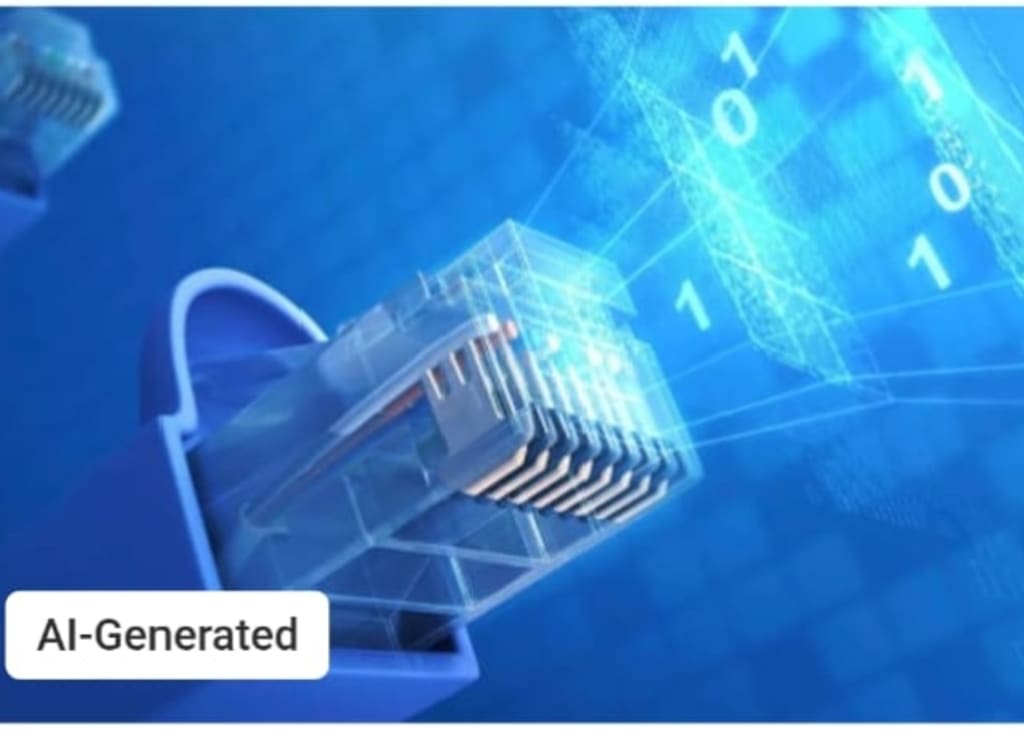
In today’s digital era, data has become the backbone of almost every industry. From cloud computing and artificial intelligence to streaming services and financial systems, the demand for faster, more reliable, and more efficient data transmission is growing rapidly. At the heart of this digital transformation lies data centers, which store, process, and distribute massive amounts of information every second. To meet these rising demands, a new technology is emerging as a game-changer: Ultra Ethernet.
Ultra Ethernet is redefining how data centers connect, communicate, and perform. By offering unprecedented speed, low latency, and intelligent traffic management, this advanced networking solution is shaping the future of global digital infrastructure.
Understanding Ultra Ethernet
Traditional Ethernet has long been the foundation of networking systems. It has evolved over decades, moving from simple local networks to high-speed enterprise and cloud environments. However, modern workloads such as AI training, big data analytics, and real-time applications have pushed conventional Ethernet to its limits.
Ultra Ethernet represents the next stage in this evolution. It is designed specifically for high-performance computing environments, hyperscale data centers, and cloud service providers. Unlike traditional Ethernet, which focuses mainly on connectivity, Ultra Ethernet prioritizes performance, reliability, and scalability.
By integrating advanced hardware and software technologies, Ultra Ethernet enables seamless communication between thousands of servers, storage devices, and networking components.
Key Features of Ultra Ethernet
One of the main reasons Ultra Ethernet is gaining attention is its powerful set of features that address modern data-center challenges.
1. Ultra-High Speed
Ultra Ethernet supports extremely high data transfer rates, often reaching 400 Gbps and beyond. These speeds allow data centers to handle massive workloads without congestion or delays.
2. Low Latency
Latency refers to the time it takes for data to travel from one point to another. In applications like artificial intelligence, online gaming, and financial trading, even microseconds matter. Ultra Ethernet minimizes delays, ensuring faster response times and smoother performance.
3. Intelligent Traffic Management
Advanced algorithms and smart routing systems enable Ultra Ethernet to manage network traffic efficiently. It prioritizes critical data, reduces packet loss, and prevents network bottlenecks.
4. Enhanced Reliability
With built-in error detection and correction mechanisms, Ultra Ethernet ensures stable and secure communication. This reliability is essential for mission-critical services such as healthcare systems, banking platforms, and cloud storage.
5. Scalability
Modern data centers continue to expand rapidly. Ultra Ethernet is designed to scale effortlessly, allowing organizations to add new servers and devices without compromising performance.
Role in Artificial Intelligence and Machine Learning
Artificial intelligence and machine learning have become major drivers of data-center growth. Training AI models requires enormous computational power and fast communication between GPUs, CPUs, and storage systems.
Ultra Ethernet plays a vital role in supporting these workloads. Its low latency and high bandwidth enable faster data sharing between computing nodes, reducing training time and improving efficiency. As a result, organizations can develop smarter AI models in less time and at lower cost.
This capability is especially important for industries such as healthcare, autonomous vehicles, cybersecurity, and robotics, where AI innovation is essential.
Impact on Cloud Computing
Cloud service providers operate some of the largest data centers in the world. Millions of users rely on cloud platforms for email, file storage, business software, and entertainment.
Ultra Ethernet enhances cloud performance by enabling faster server-to-server communication and improved resource allocation. This means:
Faster application loading times
More reliable online services
Improved user experience
Better support for remote work and collaboration
With Ultra Ethernet, cloud providers can deliver high-quality services even during peak usage periods.
Energy Efficiency and Sustainability
As data centers grow, so does their energy consumption. Power usage and environmental impact have become major concerns for governments and organizations worldwide.
Ultra Ethernet contributes to sustainability by optimizing data transmission and reducing unnecessary processing. Efficient traffic management lowers power consumption, while modern hardware designs generate less heat.
By improving energy efficiency, Ultra Ethernet helps data centers reduce operational costs and support global climate goals.
Strengthening Data Security
Cybersecurity is another critical challenge in today’s connected world. Data centers store sensitive information, making them prime targets for cyberattacks.
Ultra Ethernet incorporates advanced security features such as encryption support, secure authentication, and real-time monitoring. These measures help protect data from unauthorized access and network threats.
A secure networking environment builds trust among users and ensures compliance with international data protection standards.
Challenges and Adoption Barriers
Despite its advantages, the adoption of Ultra Ethernet is not without challenges.
First, upgrading existing infrastructure requires significant investment. Organizations may need to replace older equipment and retrain technical staff.
Second, compatibility with legacy systems can be complex. Integrating new technology into established networks requires careful planning and testing.
Finally, skilled professionals are needed to manage and optimize Ultra Ethernet systems. The shortage of trained network engineers may slow down widespread implementation.
However, as technology matures and costs decrease, these barriers are expected to diminish.
The Future of Data-Center Connectivity
The future of digital services depends heavily on fast, reliable, and intelligent networks. Ultra Ethernet is positioned to become a standard solution for next-generation data centers.
In the coming years, we can expect:
Wider adoption by enterprises and cloud providers
Deeper integration with AI and edge computing
Further improvements in speed and efficiency
Stronger focus on sustainability
As industries move toward automation, smart cities, and immersive digital experiences, the demand for high-performance networking will continue to grow.
Conclusion
Ultra Ethernet is more than just a networking upgrade; it is a foundation for the digital future. By delivering ultra-high speed, low latency, intelligent management, and enhanced security, it addresses the most critical challenges facing modern data centers.
From powering artificial intelligence to strengthening cloud services and promoting sustainability, Ultra Ethernet is transforming how information flows across the world. As organizations embrace this technology, they are not only improving performance but also preparing for a more connected, efficient, and innovative tomorrow.
About the Creator
The Saddest Thing - The Billionaires Who Rule America Aren't Even Enjoying Themselves
This single post says more about our ruling class than a thousand policy papers. The saddest thing about today's system is that the men robbing the rest of us - sabotaging our economic prospects, our pensions, our access to affordable healthcare - are not even happy.
By Scott Christenson🌴6 days ago in The Swamp
YouTube Argues It Isn’t Social Media: Redefining the Digital Platform Debate
In an era when digital platforms are facing mounting legal, political, and regulatory scrutiny, YouTube has put forward a notable argument: it does not consider itself a social media platform. Instead, the company describes its core identity as a video streaming service and content distribution platform. This distinction, while seemingly semantic, carries significant legal, economic, and cultural implications.
By Ayesha Lasharia day ago in The Swamp




Comments
There are no comments for this story
Be the first to respond and start the conversation.