
Australia Snacks Market — Growth, Forecast & Strategic Opportunities
Convenience, health trends, and flavor innovation are reshaping Australia’s snacking landscape.

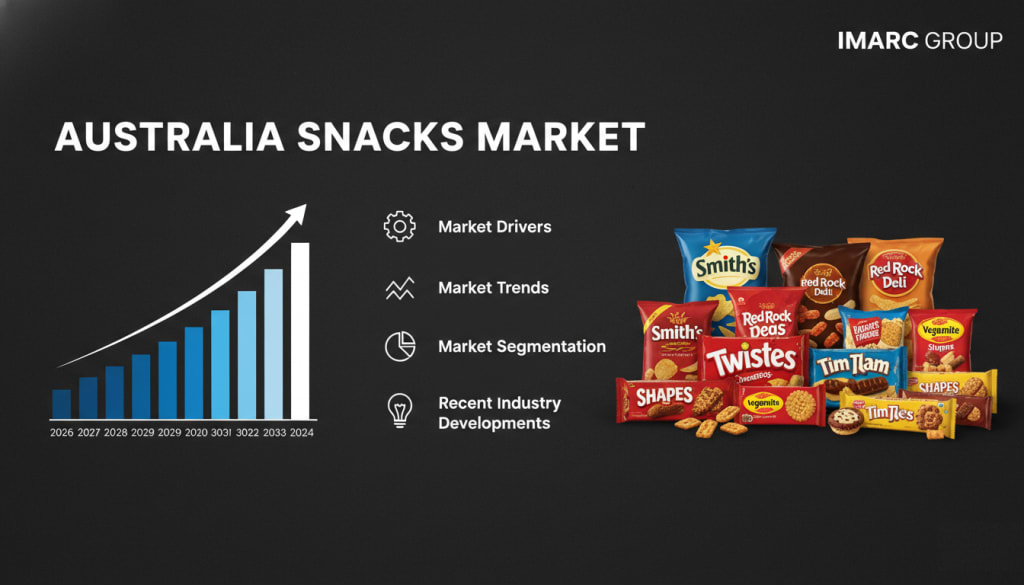
The Australia snacks market is expanding rapidly as consumer preferences evolve toward convenience, health focused choices, and diverse flavor experiences. According to IMARC Group, the market reached USD 3,703.5 million in 2025 and is projected to grow to USD 7,688.7 million by 2034, representing a compound annual growth rate (CAGR) of 8.20% during 2026–2034.
This growth underscores a robust appetite for both traditional and contemporary snacks across Australian households. Snack categories include frozen & refrigerated snacks, fruit snacks, bakery items, savory snacks, confectionery, dairy based products, and others — reflecting a broad spectrum of consumer demand. Distribution is diversified among supermarkets/hypermarkets, convenience stores, online channels, and other retail formats, enabling widespread availability.
Why the Market Is Growing So Rapidly
1. Health and Wellness Consciousness
Australian consumers are placing increasing emphasis on health and nutrition, shifting away from traditional high fat, high sugar options toward snacks perceived as healthier. Products marketed with nutritional benefits such as high fiber, low sugar, and clean labels are gaining traction. This trend is evident in the growth of plant based snacks, baked alternatives, and fruit based options that align with preventive health goals.
The rising popularity of functional ingredients — from whole grains to seeds and nuts — also feeds into this health centric shift, with manufacturers reformulating classic products to meet evolving nutritional expectations.
2. Innovation in Flavors and Formats
Innovation remains a key driver of growth in the snacks market. Producers are introducing bold, globally inspired flavors alongside gourmet and artisanal options that appeal to adventurous palates. Formats such as snack bars, protein chips, and mixed savory packs cater to diverse tastes and consumption occasions.
As consumers seek novelty and enhanced sensory experiences, flavor experimentation becomes a competitive differentiator that fuels repeat purchases.
3. On the Go and Convenience Consumption
With busy lifestyles becoming the norm, demand for ready to eat and easily portable snacks continues to rise. Single serve packaging, resealable pouches, and small format snack bars provide the convenience today’s consumers seek — whether at work, school, or during travel.
Convenience not only enhances accessibility but also reinforces frequent snacking occasions throughout the day.
4. E Commerce and Omnichannel Distribution
The rapid growth of online shopping and omnichannel retailing has significantly expanded access to snacks across Australia. Digital marketplaces give consumers easier product discovery, competitive pricing, and home delivery, while traditional retail outlets continue to offer in store visibility and immediate purchases.
This multi channel availability supports broader market reach and deepens consumer engagement.
5. Rising Premiumization
There is growing demand for premium snack products that deliver superior taste, ingredient quality, and artisanal value. Consumers — particularly younger and higher income segments — are willing to pay a premium for unique and high quality offerings, supporting the expansion of gourmet and specialty snack categories.
Premiumization enriches the overall market landscape and enhances revenue potential for brands that can differentiate effectively.
What the Opportunities Are
1. Expansion of Plant Based and Functional Snacks
Brands can benefit from the health oriented snacking trend by offering more plant based, protein rich, and functional products that appeal to wellness focused consumers.
2. Growth in On the Go Healthy Options
Demand for portable yet nutritious snacks — such as granola bars, trail mixes, and fortified snacks — presents opportunities for product innovation and targeted marketing.
3. Premium & Gourmet Snack Development
Investing in premium ingredients, artisanal production processes, and bold flavor profiles enables brands to capture higher price points and cultivate brand loyalty.
4. Strengthening E Commerce Capabilities
Enhancing online visibility, leveraging direct to consumer strategies, and utilizing digital marketing can unlock new customer segments and support customer retention.
5. Sustainable & Clean Label Positioning
Eco friendly packaging and transparent ingredient labeling resonate with environmentally conscious consumers, increasing brand credibility and market share.
6. Collaborative Retail Partnerships
Strategic collaborations with retail chains, specialty stores, and subscription services can amplify product distribution and maximize shelf presence.
7. Regional Market Penetration
Expanding availability in regional and remote areas through targeted distribution channels ensures broader market coverage and strengthens brand recognition.
• February 2025: Government Nutrition Initiative: The Australian government launched a nationwide nutritional education campaign encouraging healthier snacking habits among families and school aged children. The program highlights the importance of whole food ingredients and reduced sugar content, promoting better dietary choices throughout the population.
• June 2025: Corporate Product Launch: A major food company unveiled a new line of fortified snack bars containing added vitamins and minerals, designed to support active lifestyles. Initial distribution spans major supermarket chains and online platforms, aiming to capture the growing wellness focused consumer segment.
• September 2025: Market Expansion Milestone: Retail analytics showed a double digit year on year increase in online snack sales, driven by broader e commerce adoption and digital marketing initiatives. This growth underscores the importance of omnichannel strategies in strengthening market penetration and consumer access.
Why Should You Know About the Australia Snacks Market?
The Australia snacks market is a dynamic, fast evolving segment that reflects broader shifts in consumer behavior — from health prioritization to convenience and experiential eating. Its strong forecasted CAGR and expanding product portfolios make it an attractive space for investors, food brands, and retail innovators looking to capture long term value. For businesses, staying attuned to flavor trends, health innovations, and digital distribution strategies is key to staying competitive. Policy makers and health advocates also benefit by understanding how dietary trends interact with national wellness goals.
As Australian snack culture continues to evolve, this market offers considerable promise — driven by innovation, consumer diversity, and structural changes in how food is consumed and sold.
About the Creator
Rashi Sharma
I am a market researcher.
Keep reading
More stories from Rashi Sharma and writers in Trader and other communities.
Australia E-Commerce Market — Growth, Forecast & Strategic Outlook
The Australia e-commerce market has become one of the most dynamic segments of the nation’s digital economy. According to IMARC Group’s latest research, the Australian e-commerce market reached USD 604.1 billion in 2025 and is projected to expand to USD 1,683.9 billion by 2034, representing a compound annual growth rate (CAGR) of 12.07% during 2026–2034.
By Rashi Sharma3 days ago in Trader
Peanut Butter Market Set to Soar to USD 6.3 Billion by 2033 | At CAGR 4%
Overview – Peanut Butter Market Peanut butter is a widely consumed spread made from roasted peanuts and is commonly used in sandwiches, bakery items, smoothies, and confectionery products. The market is gaining traction due to the increasing adoption of convenient breakfast and snack options among busy consumers. Growing awareness regarding the nutritional benefits of peanuts, including high protein, healthy fats, vitamins, and minerals, is supporting demand. The expansion of retail distribution channels, e-commerce platforms, and increasing product availability across emerging economies is further contributing to market growth.
By James Smith3 days ago in Trader
Australia Used Car Market — Growth, Forecast & Strategic Outlook 2026–2034
The Australia used car market has become one of the most dynamic segments of the national automotive ecosystem, responding to shifting economic conditions and changing buyer behaviors. According to IMARC Group, the market was valued at USD 85.5 billion in 2025 and is expected to reach USD 206.0 billion by 2034, expanding at a strong compound annual growth rate (CAGR) of 9.95% during 2026–2034.
By Amélie Belle2 days ago in Trader
Blessed 33
So I woke up on the morning of February 5, 2026 and guess what and you know what I realized? It’s my 33rd birthday. Do you know what that means? Yes, technically I’m getting old, but what I couldn’t have guessed was this would be one of the best days of my life.
By Joe Patterson6 days ago in Confessions




Comments
There are no comments for this story
Be the first to respond and start the conversation.