
Australia Sports & Fitness Goods Market 2026: Active Lifestyle Boom, Smart Equipment and Hybrid Fitness Consumption
How wellness awareness, home training habits and technology-enabled equipment are shaping Australia’s sports and fitness goods industry

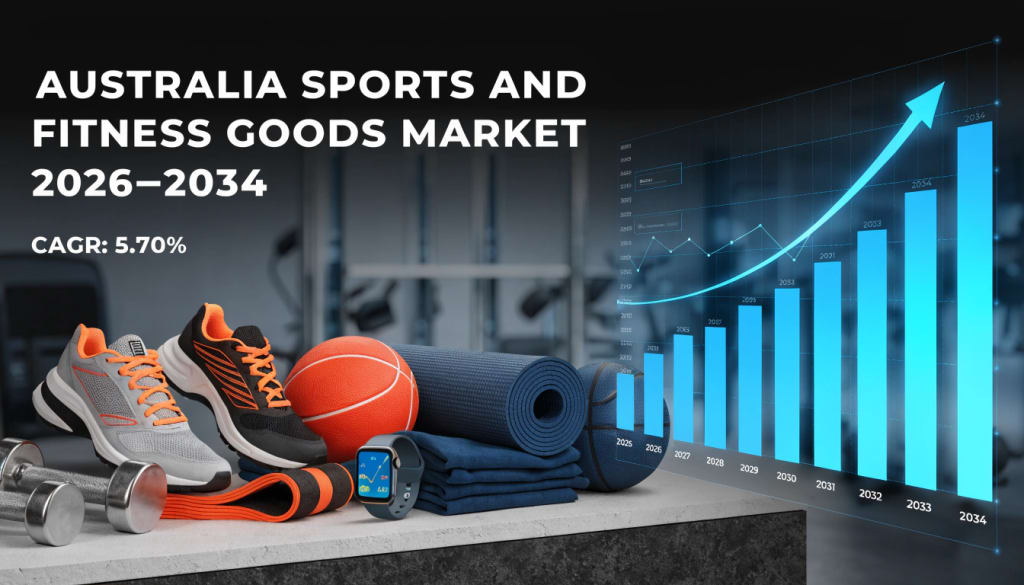
Australia Sports & Fitness Goods Market Overview:
Australia’s sports and fitness goods market is experiencing consistent expansion as rising health awareness, outdoor recreation participation and hybrid fitness habits reshape consumer purchasing behaviour. Sports and fitness goods — including training equipment, accessories, sports gear and performance products — have become integral to everyday lifestyle routines across the country. Australians’ strong culture of physical activity, combined with growing interest in structured training and recreational sports, continues to support sustained demand for equipment across gyms, homes and outdoor environments.
According to IMARC Group, the Australia sports and fitness goods market size reached USD 1,519.3 million in 2025 and is projected to grow to USD 2,502.2 million by 2034, exhibiting a compound annual growth rate (CAGR) of 5.70% during 2026–2034. Growth is driven by increasing health consciousness, expanding boutique fitness participation and rising demand for high-quality, multi-functional training equipment.
Key Market Drivers
Rising Health and Wellness Consciousness
Australian consumers increasingly view fitness as a long-term lifestyle priority rather than a short-term goal. This behavioural shift is supporting consistent spending on sports accessories, training equipment and performance gear across age groups.
Expansion of Boutique Fitness and Specialized Programs
The popularity of boutique studios offering Pilates, functional training and strength-based programs is driving demand for specialised equipment tailored to structured training formats. Premium studios emphasising community engagement and recovery services are gaining traction nationwide.
Growth of Home Fitness and Hybrid Training Habits
Hybrid exercise patterns combining gym attendance with home workouts are encouraging purchases of compact strength and cardio equipment. Consumers value flexibility and convenience, leading to rising investment in portable and multi-purpose fitness products.
Integration of Lifestyle and Performance Consumption
The blending of fitness with everyday lifestyle activities — including outdoor recreation and recreational sports — is expanding equipment usage beyond traditional gym settings, contributing to broader category growth.
Request a Sample Report with the Latest 2026 Data & Forecasts
What the Opportunities Are
Australia’s sports and fitness goods market presents substantial opportunities as lifestyle transformation, technology adoption and experiential fitness trends accelerate.
Expansion of Smart and Connected Fitness Equipment
Smart fitness products integrating sensors, app connectivity and performance tracking capabilities are becoming increasingly attractive to consumers seeking personalised training insights. Manufacturers introducing connected equipment can strengthen engagement and brand differentiation.
Growth of Outdoor Recreation and Adventure Fitness Segments
Australia’s strong outdoor culture supports demand for sports goods used in cycling, water sports, hiking and recreational activities. Equipment innovation targeting adventure fitness experiences can broaden market reach beyond traditional indoor training environments.
Women’s and Youth Participation Growth
Increasing participation among women and younger consumers in organised sports and recreational activities is driving demand for tailored equipment categories, creating opportunities for targeted product development and marketing strategies.
Omnichannel Retail and Direct-to-Consumer Expansion
Digital commerce platforms and community-driven brand ecosystems are transforming sports goods retail. Omnichannel strategies integrating online and physical retail can enhance accessibility, customer engagement and loyalty.
Sustainable Equipment and Material Innovation
Environmental awareness is encouraging manufacturers to develop sports goods using recycled materials and sustainable production methods. Sustainability-focused innovation can enhance brand positioning and align with evolving consumer values.
These opportunity areas highlight the emergence of a connected, inclusive and sustainability-aligned sports and fitness goods ecosystem.
Recent News and Developments
March 2025: Market assessment confirmed the Australia sports and fitness goods sector reached USD 1,519.3 million in 2025, reflecting continued consumer investment in equipment supporting structured training and recreational fitness participation.
July 2025: Hybrid workout behaviour remained prominent, with consumers continuing to purchase compact strength and cardio equipment to complement gym-based exercise routines.
October 2025: Boutique fitness program growth contributed to rising demand for specialised training accessories used in Pilates, functional training and strength-focused exercise formats across Australia.
February 2026: Australia’s broader fitness ecosystem was valued at approximately $3.7 billion, with increasing participation among older Australians driving demand for premium wellness experiences and associated fitness equipment consumption.
Why You Should Know About the Australia Sports & Fitness Goods Market?
The Australia sports and fitness goods market reflects broader lifestyle evolution where health, recreation and performance converge. As Australians increasingly integrate physical activity into daily routines, demand for sports equipment, training accessories and performance products continues to expand across demographic segments.
With projected growth to USD 2,502.2 million by 2034, supported by boutique fitness expansion, home training adoption and smart equipment innovation, the sector offers compelling opportunities for manufacturers, retailers and investors.
As active living becomes a core lifestyle pillar and fitness ecosystems diversify, Australia’s sports and fitness goods market is positioned for sustained growth while advancing toward more connected, experiential and consumer-centric product landscapes.
About the Creator
Amyra Singh
Market research analyst who loves spotting patterns, digging into data, and turning insights into strategies that help brands grow and stay ahead of the curve.
Keep reading
More stories from Amyra Singh and writers in Trader and other communities.
Australia Vocational Training Market 2026: Skills Transformation, Digital Learning and Workforce Readiness
Australia Vocational Training Market Overview Australia’s vocational training market is expanding rapidly as industries increasingly prioritise practical skills development to address labour shortages and productivity challenges. Vocational education and training (VET) programs — spanning technical, safety and soft skills training — provide essential pathways for workforce entry, career progression and industry reskilling. As Australia continues to navigate structural skill gaps across sectors such as construction, healthcare and information technology, vocational training is emerging as a critical component of the country’s workforce strategy.
By Amyra Singhabout 7 hours ago in Trader
Walmart Q4 2026 Earnings Beat Expectations, but Cautious Forecast Signals Consumer Slowdown
Walmart Inc. reported its fourth-quarter earnings for fiscal 2026 with results that surpassed Wall Street forecasts, but the retail giant’s cautious guidance and commentary about economic headwinds have kept investors alert to the risks facing the consumer sector. While a stronger-than-expected quarter underscores Walmart’s resilience amid an uncertain economic backdrop, its forward commentary suggests American shoppers remain price-sensitive and wary of bigger purchases.
By Raviha Imran5 days ago in Trader
Mexico Green Hydrogen Market: Size, Share, Industry Trends Analysis and Forecast
Why the Mexico Green Hydrogen Market Is Emerging as a Clean Energy Leader: Trends & Future Outlook Mexico is entering a pivotal moment in its energy transition. As the world races to reduce carbon emissions, green hydrogen is gaining attention as a powerful solution for decarbonizing heavy industry, transportation, and electricity generation. The Mexico green hydrogen market is still in its early stages, but momentum is building rapidly as investments, policy discussions, and technological advancements align.
By Jackson Watson6 days ago in Trader




Comments
There are no comments for this story
Be the first to respond and start the conversation.