
How a Smart-Home Pioneer Lost Its Edge: Roomba Maker iRobot Files for Bankruptcy
The Chapter 11 filing of iRobot reveals how competition, tariffs, and an unsuccessful Amazon deal brought the iconic brand to its knees.
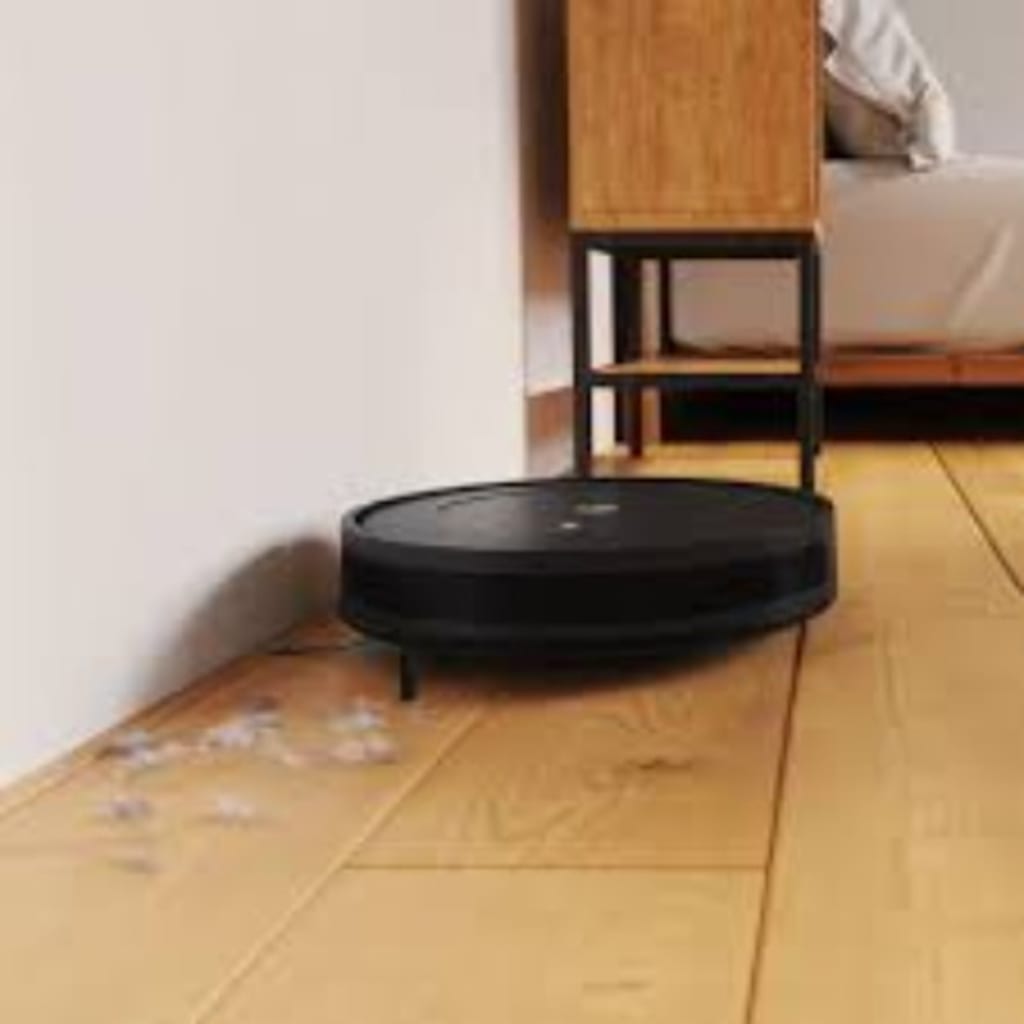
For years, the quiet hum of a Roomba moving across a living-room floor symbolized something close to magic. A machine that cleaned on its own felt like the future arriving early. But that future flickered this week. Late Sunday, as markets prepared to open, iRobot — the company behind the iconic Roomba vacuum — filed for Chapter 11 bankruptcy protection, sending shockwaves through Wall Street and millions of households that had come to trust the brand. By Monday morning, the stock had collapsed, and a once-celebrated innovator found itself fighting for survival.
The filing marked a dramatic turning point for a company that once defined consumer robotics. Founded in 1990 by a group of MIT engineers, iRobot built its legacy on innovation. When the first Roomba launched in 2002, it wasn’t just a product — it was a cultural moment. Cleaning no longer required effort. A robot would handle it.
For years, the formula worked. Roombas sold by the millions, and iRobot became synonymous with robotic cleaning. However, as the smart home market grew, so did the pressures, and the company's foundation slowly began to shift. Cheap competition was the first to arrive. Rivals from China flooded the market with robot vacuums that looked similar, offered comparable features, and cost far less. What was once a premium niche became a crowded battlefield. iRobot struggled to justify its higher prices while defending market share against aggressive newcomers.
Then came tariffs. Manufacturing costs rose sharply as U.S. trade policies hit imports from Asia, squeezing margins further. As consumers became more price-sensitive, cost pressures increased, and each Roomba sold produced less profit. In the year 2023, Amazon announced its intention to acquire iRobot for $1.7 billion, providing the company with its most promising lifeline. The deal promised stability, capital, and access to one of the world’s largest tech ecosystems. However, regulatory oversight proved fatal. Antitrust concerns stalled the acquisition, and eventually the deal collapsed — leaving iRobot bruised, exposed, and running out of options.
By 2024 and 2025, the cracks were impossible to ignore. Revenue slid. Cash burned quickly. Demand was not revived despite product updates. The company, which was once driven by innovation, appeared to be stuck between rising costs and losing its relevance. The bankruptcy filing, however, is not a liquidation. iRobot entered Chapter 11 with a pre-arranged plan. Under the agreement, the company will be acquired by Shenzhen Picea Robotics, its longtime manufacturing partner and largest secured lender. If approved by the court, the deal will take iRobot private early next year.
For consumers, the word “bankruptcy” triggered immediate fear. Would Roombas cease to function? Would apps shut down? Would customer support vanish overnight?
iRobot swiftly addressed those concerns. During the process of restructuring, the company stated that it would continue to conduct business normally. The devices will continue to function. Software updates, customer service, and warranties will continue — at least for now.
However, the outcome is significantly less reassuring for shareholders. As part of the restructuring, existing equity is expected to be wiped out. When iRobot emerges from bankruptcy, its stock will no longer trade publicly. Decades of investor belief will end quietly, replaced by a new ownership structure focused on survival, not growth stories.
Industry analysts see the moment as symbolic. iRobot’s fall underscores how unforgiving the consumer hardware business has become. Innovation alone is no longer enough. Scale, pricing power, and supply-chain control now determine who survives.
Under Picea’s ownership, iRobot may gain efficiency and manufacturing stability — but it will also lose its identity as an independent innovator. The Roomba may live on, but the company that once defined the category will look very different.
For consumers, the robot vacuum will likely keep moving across floors, navigating furniture as it always has. However, the bankruptcy of iRobot serves as a reminder to the technology industry that even the most well-known brands are susceptible to disruption. The future does not come quickly. It occasionally enters quietly before evicting those who constructed it first.
About the Creator
Keep reading
More stories from Raviha Imran and writers in Trader and other communities.
Cameroon Budget 2026: 50B Youth Fund, 650km of New Roads, and a Doubling Deficit
The 2026 budget plan was delivered to government ministry desks on a chilly Yaoundé morning. Even seasoned authorities hesitated at the top figure: CFA 8,816.4 billion. This was bold for a country accustomed to moderate budgetary inclinations—a 14% increase in expenditure from the previous year and a signal that Cameroon was prepared to develop, change, and invest in a manner seldom seen before.
By Raviha Imran3 months ago in Trader
Bitcoin Price Today: Market Trends and Its Connection with S&P BSE Sensex
Introduction The Bitcoin price today continues to capture global attention as the leading cryptocurrency experiences frequent fluctuations in value. With increasing adoption by institutional investors, evolving regulations, and growing interest among retail traders, Bitcoin has become a crucial indicator of digital asset markets.
By Hammad Nawazabout 8 hours ago in Trader
Cryptocurrency Trading for Beginners: How to Start in Digital Assets
Introduction Cryptocurrency trading has rapidly become one of the most popular ways to invest and speculate in financial markets. With digital assets like Bitcoin, Ethereum, and other altcoins, traders can profit from price fluctuations, both short-term and long-term. However, the cryptocurrency market is highly volatile and requires careful planning, research, and risk management.
By Hammad Nawaz4 days ago in Trader




Comments
There are no comments for this story
Be the first to respond and start the conversation.