
Mexico Apparel Market Size, Share, Growth, Latest Trends and Forecast 2026-2034
Explore the trends, challenges, and future outlook shaping Mexico’s fast-growing apparel market as digital retail, youth culture, and sustainable fashion transform the industry.

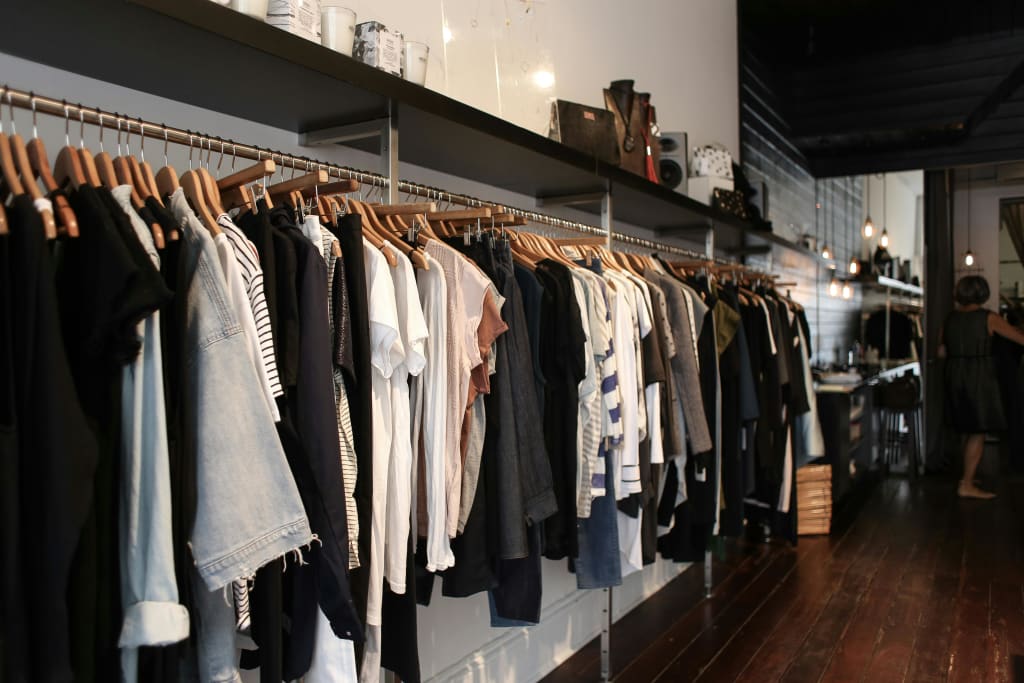
Why the Mexico Apparel Market Is Becoming a Fashion Growth Engine: Trends & Future Outlook
The Mexico apparel market is entering a new phase of expansion driven by urban lifestyles, digital retail, and a strong connection between fashion and cultural identity. Clothing in Mexico is not simply about practicality — it reflects social trends, youth culture, and economic development. As disposable income rises and consumer tastes evolve, the apparel sector is becoming one of the most dynamic segments of the country’s retail landscape.
Modern Mexican consumers expect style, affordability, and sustainability all at once, pushing brands to rethink how they design, produce, and sell clothing.
Request a Sample Report with Latest 2026 Data & Forecasts:
Fashion as a Reflection of Identity
Fashion plays a powerful role in Mexican self-expression. Traditional embroidery, indigenous patterns, and vibrant colors continue to inspire contemporary collections. Designers blend heritage aesthetics with global silhouettes, creating apparel that feels both modern and culturally rooted.
Consumers increasingly value authenticity. Clothing that reflects local identity builds emotional loyalty and brand trust. This cultural fusion allows Mexican designers to stand out in a globalized fashion environment where originality is highly prized.
Apparel becomes storytelling — not just fabric.
Urban Growth and Consumer Spending
Mexico’s expanding urban population fuels demand for lifestyle products, including apparel. Shopping malls, specialty boutiques, and online platforms provide access to a wide variety of domestic and international brands.
A growing middle class is willing to invest more in personal appearance. Younger shoppers in particular see fashion as a form of social currency. Social media accelerates trend adoption, encouraging faster purchasing cycles and seasonal wardrobe updates.
Higher purchasing power strengthens retail performance across price segments.
Digital Commerce Reshaping the Industry
E-commerce is transforming how apparel is discovered and purchased. Online shopping allows consumers to access international styles, compare prices instantly, and receive home delivery with minimal friction.
Mobile-first shopping habits dominate among younger generations. Social media platforms act as digital runways where influencers introduce trends that quickly move into mainstream demand. Virtual fitting tools, flexible returns, and personalized recommendations increase online confidence.
Retailers must now compete as much on digital experience as on design.
Sustainability and Ethical Fashion
Environmental awareness is becoming a major purchasing factor. Consumers are asking where clothes come from, how they are produced, and what impact they have on the planet. Sustainable fabrics, recycled materials, and ethical labor practices are gaining attention.
Local brands promote slow fashion — smaller production runs focused on quality and longevity. Secondhand markets and clothing resale apps are also growing, reflecting a shift toward responsible consumption.
Sustainability is evolving from niche preference to mainstream expectation.
Manufacturing Strength and Export Potential
Mexico has a well-established textile and garment manufacturing base that supports both domestic consumption and exports. Proximity to the United States gives Mexican producers a logistical advantage in nearshoring strategies.
Industry performance is tracked by institutions such as Instituto Nacional de Estadística y Geografía, highlighting apparel’s role in employment and industrial output. Investments in automation and supply chain efficiency improve competitiveness on a global scale.
Domestic manufacturing strengthens resilience and reduces dependency on distant suppliers.
Youth Influence and Fast Trend Cycles
Mexico’s large youth population drives rapid fashion evolution. Trends change quickly under the influence of music, film, and global pop culture. Streetwear, athleisure, and gender-neutral designs are expanding categories.
Young consumers mix premium and affordable items to create personal style statements. This blending of price segments encourages brands to maintain flexible collections that appeal to diverse budgets.
Speed and adaptability are critical in capturing youth-driven demand.
Competitive Retail Landscape
The apparel market is crowded with global chains, local brands, boutique designers, and online startups. Competition pushes innovation in pricing, branding, and customer experience.
Omnichannel strategies are becoming essential. Physical stores increasingly function as showrooms and social spaces, while online platforms handle convenience and scale. Loyalty programs, influencer partnerships, and exclusive product drops help brands stand out.
Retail is shifting from transaction to experience.
Technology and Smart Operations
Technology is improving efficiency across the apparel supply chain. Predictive analytics help brands forecast trends, manage inventory, and reduce waste. Automated production speeds up manufacturing while maintaining consistency.
Data-driven retail allows companies to respond faster to consumer behavior. Smart logistics improve delivery speed and customer satisfaction.
Innovation behind the scenes supports creativity on the runway.
Market Challenges
Despite growth, challenges remain. Price sensitivity limits margins in certain segments. Informal markets and counterfeit goods compete with established retailers. Sustainability compliance requires financial investment that smaller brands may struggle to afford.
Economic fluctuations can affect discretionary spending, including fashion purchases. Companies must balance affordability with innovation and responsible production.
Resilience and adaptability are essential.
Future Outlook
The Mexico apparel market is expected to continue expanding as digital commerce matures and sustainability becomes standard practice. Youth culture will remain a powerful force shaping style and consumption patterns.
Nearshoring opportunities may attract further international investment in domestic manufacturing. Brands that blend cultural storytelling, eco-conscious production, and digital innovation are best positioned for long-term success.
Fashion in Mexico will increasingly reflect both global integration and local pride.
Conclusion
The Mexico apparel market represents a vibrant intersection of culture, technology, and consumer evolution. Rising incomes, online retail growth, and sustainability awareness are redefining how clothing is produced and purchased.
Apparel is no longer just a retail category — it is a social and economic signal of change. As Mexican fashion continues to evolve, the industry’s growth potential remains strong and internationally relevant.
About the Creator
Jackson Watson
I'm a market research analyst at Imarc group company delivering data-driven insights, industry analysis, and customized research solutions. We support businesses with market sizing, competitive analysis, and strategic decision-making.
Keep reading
More stories from Jackson Watson and writers in Trader and other communities.
United States Fertilizer Market Size, Share, In-Depth Insights, Trends and Forecast 2026-2034
Why the United States Fertilizer Market Is Powering Modern Agriculture: Trends & Future Outlook The United States fertilizer market sits at the heart of the nation’s agricultural productivity. As global food demand rises and farming practices become more technology-driven, fertilizers play a crucial role in sustaining crop yields, soil health, and food security. Today’s fertilizer industry is no longer just about increasing output — it is about efficiency, sustainability, and precision.
By Jackson Watsonabout 14 hours ago in Trader
Australia Electric Iron Market Poised for Strong Growth on the Back of Urban Lifestyles and Smart Innovation
The Australia electric iron market reached approximately USD 41.8 Million in 2025 and is projected to grow to USD 97.1 Million by 2034, expanding at a CAGR of 9.81% during the forecast period of 2026–2034. This striking growth reflects robust consumer demand for modern, efficient home appliances and an evolving retail environment where convenience and technology are increasingly central to purchase decisions.
By Rashi Sharma8 days ago in Trader



Comments
There are no comments for this story
Be the first to respond and start the conversation.