
Philippines Pain Management Devices Market 2026: Chronic Disease Burden, Technology Innovation and Non-Invasive Care Expansion
How rising chronic pain prevalence, healthcare modernisation and device innovation are shaping the Philippines pain management devices industry

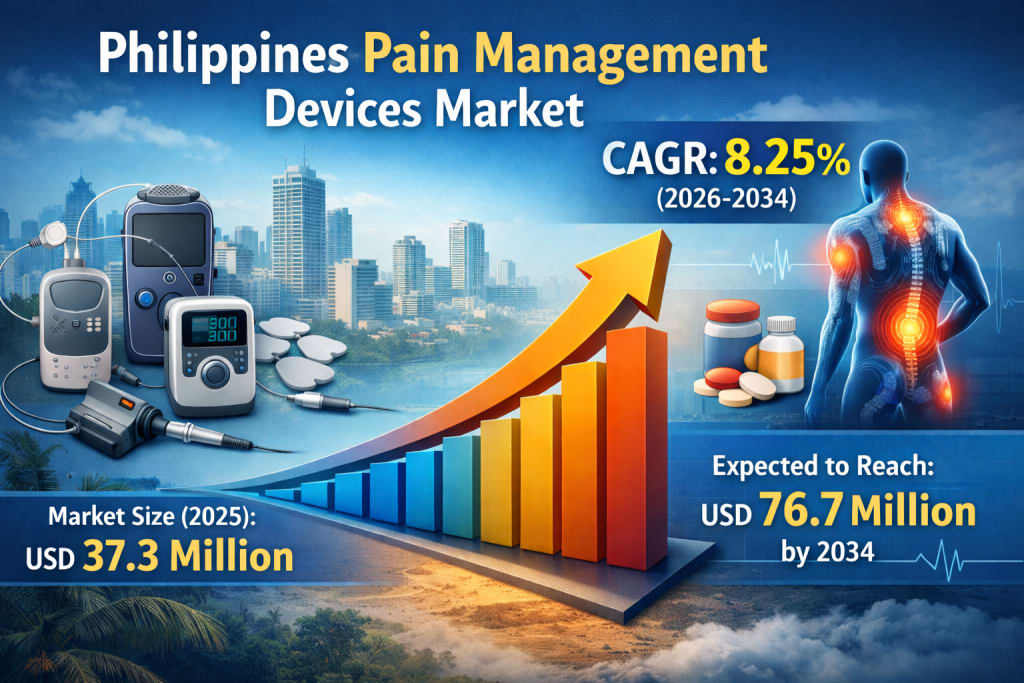
Philippines Pain Management Devices Market Overview
The Philippines pain management devices market is experiencing steady growth as healthcare providers and patients increasingly adopt device-based therapies for chronic pain treatment. Pain management devices — including neurostimulation systems, infusion pumps and ablation technologies — are becoming essential alternatives to pharmacological therapies, particularly as awareness of long-term medication side effects grows. These devices support targeted, minimally invasive pain relief solutions across conditions such as musculoskeletal disorders, cancer-related pain and neuropathic conditions.
According to IMARC Group, the Philippines pain management devices market size reached USD 37.3 Million in 2025. Looking forward, IMARC Group expects the market to reach USD 76.7 Million by 2034, at a compound annual growth rate (CAGR) of 8.50% during 2025–2033. Growth is driven by rising chronic disease prevalence, expanding cancer awareness initiatives and ongoing technological advancements improving treatment efficacy and patient comfort.
Key Market Drivers
Rising Prevalence of Chronic Pain Conditions
Degenerative diseases, cancer incidence and neuropathic disorders are contributing to a growing patient population requiring long-term pain management solutions. As more individuals experience persistent pain conditions, demand for effective device-based therapies continues to increase across healthcare facilities.
Technological Advancements in Pain Therapy Devices
Innovation in neurostimulation technologies, portable devices and improved drug delivery systems is enhancing treatment precision and patient outcomes. New-generation devices offer customised therapy settings and non-invasive alternatives to surgical interventions, strengthening provider adoption.
Healthcare Modernisation and Access Expansion
Healthcare infrastructure development and improved access to specialised services are supporting the integration of advanced pain management technologies within hospitals and physiotherapy centres. Providers are increasingly incorporating device-based therapies to complement multidisciplinary treatment approaches.
Growing Awareness of Non-Pharmacological Therapies
Concerns regarding opioid use and medication side effects are encouraging exploration of non-drug pain management strategies. Device-based treatments offer targeted relief and reduced systemic impact, contributing to rising patient acceptance and clinical utilisation.
Request a Sample Report with the Latest 2026 Data & Forecasts
What the Opportunities Are
The Philippines pain management devices market presents strong opportunities as healthcare transformation, demographic trends and innovation intersect.
Expansion of Neurostimulation and Wearable Solutions
Neurostimulation devices — including spinal cord stimulators and peripheral nerve stimulators — represent a major growth avenue due to their effectiveness in managing chronic and neuropathic pain. Wearable and portable solutions further expand accessibility by enabling home-based therapy delivery.
Growth in Oncology and Palliative Care Applications
Cancer incidence continues to increase across emerging markets, creating demand for advanced pain control solutions within oncology and palliative care settings. Device manufacturers and healthcare providers can address this need through specialised treatment systems and integrated care models.
Development of Home-Based Pain Management Ecosystems
The shift toward outpatient and home healthcare creates opportunities for compact and user-friendly pain management devices. Remote monitoring capabilities and digital integration can enhance treatment adherence and patient convenience.
Local Distribution and Market Access Partnerships
Medical device distributors and international manufacturers can leverage partnerships with Philippine healthcare institutions to improve product availability, training and after-sales support, strengthening market penetration.
Integration with Digital Health Platforms
Telemedicine and digital health adoption offer opportunities to integrate pain management devices with remote monitoring and data analytics platforms. Such integration can improve clinical decision-making, therapy personalisation and long-term outcome tracking.
Collectively, these opportunities indicate a transition toward more personalised, accessible and technology-enabled pain management solutions.
Recent News and Developments
February 2025: Healthcare utilisation estimates indicated that chronic pain affects up to 20–30% of adult populations in emerging Asian markets, reinforcing demand growth for non-pharmacological pain treatment solutions including neurostimulation and infusion devices.
May 2025: Hospital procurement trends showed increasing adoption of neurostimulation systems across tertiary care facilities, with neuromodulation technologies representing one of the fastest-growing device categories within pain management therapy portfolios.
September 2025: Regional healthcare investment initiatives contributed to expansion of specialised pain management services in urban hospitals, supporting increased utilisation of infusion pumps and ablation devices for procedural pain treatment.
January 2026: Medical device innovation pipelines highlighted continued development of wearable and portable pain management technologies, reflecting industry efforts to support home-based therapy models and outpatient pain treatment growth across Southeast Asian healthcare systems.
Why You Should Know About the Philippines Pain Management Devices Market?
The Philippines pain management devices market reflects broader healthcare transformation trends focused on improving quality of life, expanding access to advanced therapies and reducing reliance on long-term pharmacological treatment. As chronic disease prevalence rises and healthcare systems modernise, device-based pain management solutions are becoming integral to patient care pathways.
With projected growth at 8.50% CAGR through 2033, supported by innovation, clinical adoption and expanding healthcare infrastructure, the sector offers meaningful opportunities for medical device manufacturers, distributors and healthcare providers.
As technology advances and awareness of non-invasive therapies increases, the Philippines pain management devices market is positioned for sustained expansion within the country’s evolving healthcare technology landscape.
About the Creator
Keep reading
More stories from Manisha Dixit and writers in Trader and other communities.
Philippines Jewellery Market 2026: Heritage Craftsmanship, Digital Retail and Rising Aspirational Demand
Philippines Jewellery Market Overview The Philippines jewellery market is experiencing steady expansion as traditional craftsmanship, evolving fashion trends and digital commerce reshape consumer engagement. Jewellery remains deeply embedded in Filipino culture, frequently associated with celebrations, gifting and personal expression. At the same time, modern retail channels and emerging design innovation are broadening market accessibility and product diversity, enabling the industry to reach younger and digitally active consumers.
By Manisha Dixit2 days ago in Trader
Understanding Stock Market Volatility: A Beginner’s Guide
Introduction Stock market volatility refers to the rate at which stock prices fluctuate over a period of time. High volatility can create opportunities for profits but also increases risk. Understanding market volatility is essential for investors who want to make informed decisions and protect their portfolios.
By Hammad Nawaz6 days ago in Trader
The Cairn Beside the Lake
And so it came to pass that King Ertharion, Tenth King of Lombaia, stood beside the still lake below unrelenting and unassailable cliffs with the remainder of his harried host. In what was the tenth year of his reign and his forty-fourth upon this great green earth, Menigo the Betrayer, cousin of King Ertharion, pressed home his false claim.
By Matthew J. Frommabout 23 hours ago in Fiction


Comments
There are no comments for this story
Be the first to respond and start the conversation.