
Reducing Risk of Investment Portfolio
Ways to Handle Risk


1.Diversification of Funds -
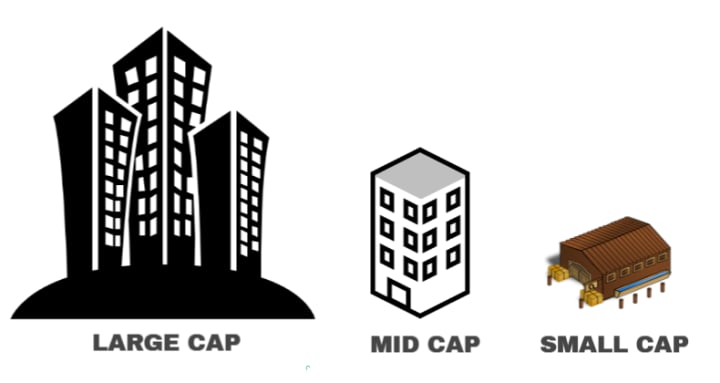
One of the fundamental principles of investing, optimal diversification, spreads risks across your entire portfolio. Diversify large, mid-cap and small-cap stocks and asset classes to ensure portfolio stability.
A handful of large-cap , mid-cap and small-cap funds are sufficient to achieve the required diversification. Look for fundamentally strong funds with a long track record. It is wise to invest in stocks and funds that generate stable returns for many years. Also look at the main portfolio and see if they are different. Often, investors tend to invest in similarly-characterized funds/stocks in the name of diversification. This should be avoided as it will bloat your wallet and make it difficult to track.
2. Risk Tolerance -
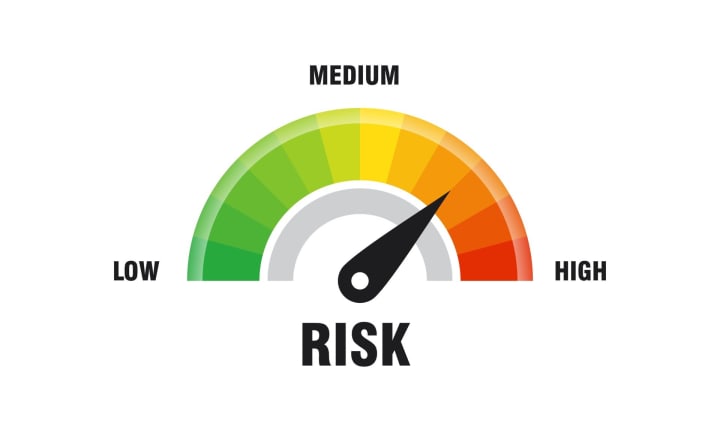
Knowing your risk tolerance helps you focus on tools that match your risk appetite. Often we as investors cannot accurately estimate the amount of risk we can take. Investors tend to overestimate their risk appetite and end up putting their money into risky bets, especially during bull markets, when exchanges hit all-time highs.
Therefore, it is very important to understand what risks you can take and what you can invest accordingly. There's no point in sleeping in fear of losing the painstaking gains you've worked hard for over the years due to market volatility. To accurately assess your risk tolerance, contact your financial advisor who can help you understand the level of risk you can take.
3.Liquidity -
There may be circumstances in which you may want to eliminate certain investments due to poor performance or financial circumstances. You can hedge those risks by maintaining adequate liquidity in your portfolio. To do this, invest in products that can be liquidated quickly. Also, having liquid assets in your portfolio can help you cope with emergencies. Blocking some investments in assets such as real estate can be counterproductive. This is especially true when you need funds in a short period of time. Therefore, it is always wise to maintain sufficient liquidity.
4.Timely Review -
A timely review helps identify and close loopholes. Track your investment performance by checking your portfolio once every six months or a year. Analyze and filter out those who do not work carefully. However, before making drastic changes, investigate the cause of the performance degradation.
Fundamentally sound stocks were also hit when the market plummeted in March 2020. But there was nothing wrong with them. However, most investors panicked and pressed the exit button to convert their nominal losses into real losses. Therefore, you need to be careful and check these behaviors carefully.
There is no portfolio associated with zero risk. Although it cannot be completely eliminated, it can be minimized through the aforementioned strategies. Optimal risk management allows you to increase your assets and easily achieve your goals.
About the Creator
Keep reading
More stories from Akash Doshi and writers in Trader and other communities.
Microsoft Stock Analysis: Why Microsoft Remains a Core Holding for Long-Term Investors
Introduction Microsoft stock has earned a reputation for stability, innovation, and consistent returns. As a global technology leader with a strong presence in software, cloud computing, and enterprise services, Microsoft Corporation continues to be a cornerstone holding in many long-term investment portfolios. The company’s ability to adapt to changing technology trends has allowed it to remain relevant across multiple decades, making Microsoft stock a favorite among both growth and income-focused investors.
By Hammad Nawaz5 days ago in Trader
Goodbye, Mr. Duvall
It is turning out to be an interesting year. I was in the middle of teaching a class when a pop-up appeared on the screen announcing the death of Mr. Robert Seldon Duvall (yes, that was his full name). I was in the middle of a discussion on the obsession we have with winning when it comes to sports (the Winter Olympics was a theme), and I felt as though things were coming full circle. We had already lost Gene Hackman last year, and along with that titan, it feels though one particular golden age has closed off to be replaced by...?
By Kendall Defoe 4 days ago in Geeks


Comments
There are no comments for this story
Be the first to respond and start the conversation.